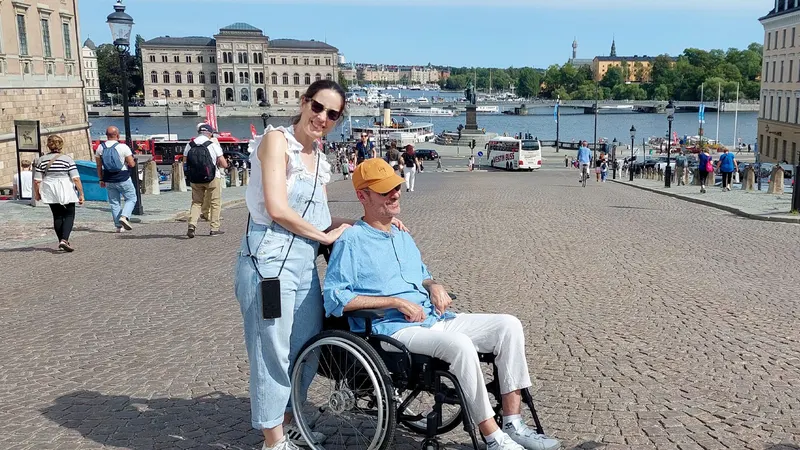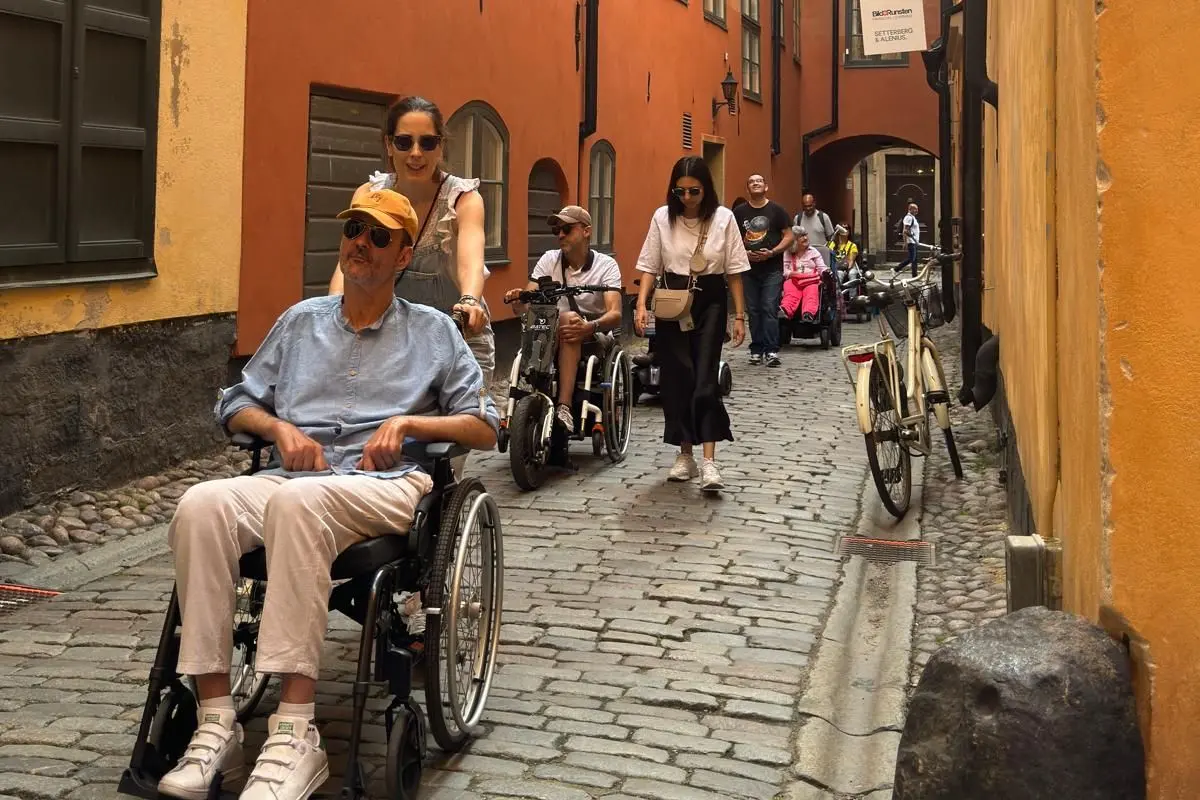
Gamla Stan and the Royal Palace
Stroll through the medieval alleys of Stockholm's Old Town and go into the Royal Palace and the cathedral to understand the history of the Swedish monarchy.

Accessible tourism in Sweden
Stroll among the islands of Stockholm and travel up to the snow of Åre
Visiting Sweden means coming into immediate contact with a natural setting of great lakes, forests, mountains and rivers, and getting to know a highly developed society first-hand. If this combination sounds like a trip of interest to you, keep reading and find out more!
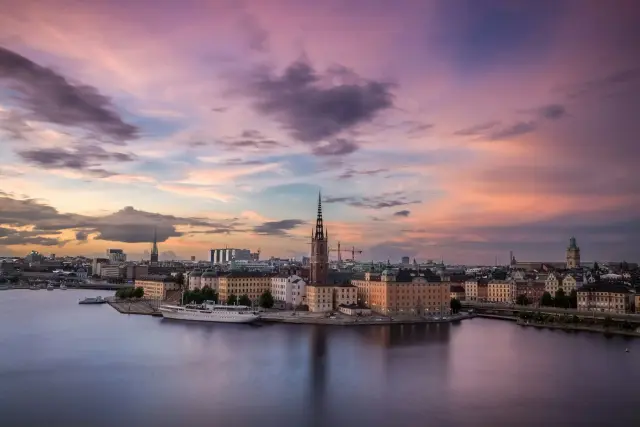
Stockholm, the country's capital, is a magnificent city built across islands at the mouth of a great lake; that is why it is popularly known as “the Scandinavian Venice”. Believe it or not, this city, linked by more than fifty bridges, can also be enjoyed from the water, on a ferry to the island of Djurgården.
And if snow is your thing, in Åre you can try adaptive skiing.
Far to the north of Europe, this destination awaits you with fairy-tale landscapes, snowy forests, modern and sustainable cities, art and a young, vibrant culture that will transform the way you look at life and the environment. What are you waiting for to plan your trip?
Start Stockholm on the water. Take a ferry to the island of Djurgården and look at the city from the boat. Or sail for a few hours among the islands of the archipelago, with the coast in the background. Another day, travel by boat to Drottningholm Palace and its Chinese Pavilion.
Are you into museums? Look at the warship Vasa, get close to the Viking Age, step into the world of ABBA and walk around Skansen, among the Sweden of the past. The metro is an art gallery: explore it with an audio guide and end the afternoon in an ice bar. Between one plan and the next, a fika with a cinnamon bun, or marinated salmon and meatballs in an indoor market.
If you travel in spring, the cherry trees of Kungsträdgården; in December, the Christmas market at Stortorget, with its stage and the traditional houses all around. For a change of scene, take the train from Copenhagen to Malmö and the Turning Torso. You can also board a ferry to Tallinn and Helsinki, or spend a day skiing in Åre.
Stroll through the medieval alleys of Stockholm's Old Town and go into the Royal Palace and the cathedral to understand the history of the Swedish monarchy.

Look at the 17th-century warship, get close to the Viking Age, discover the world of ABBA and explore Skansen, the open-air museum of traditional Sweden.
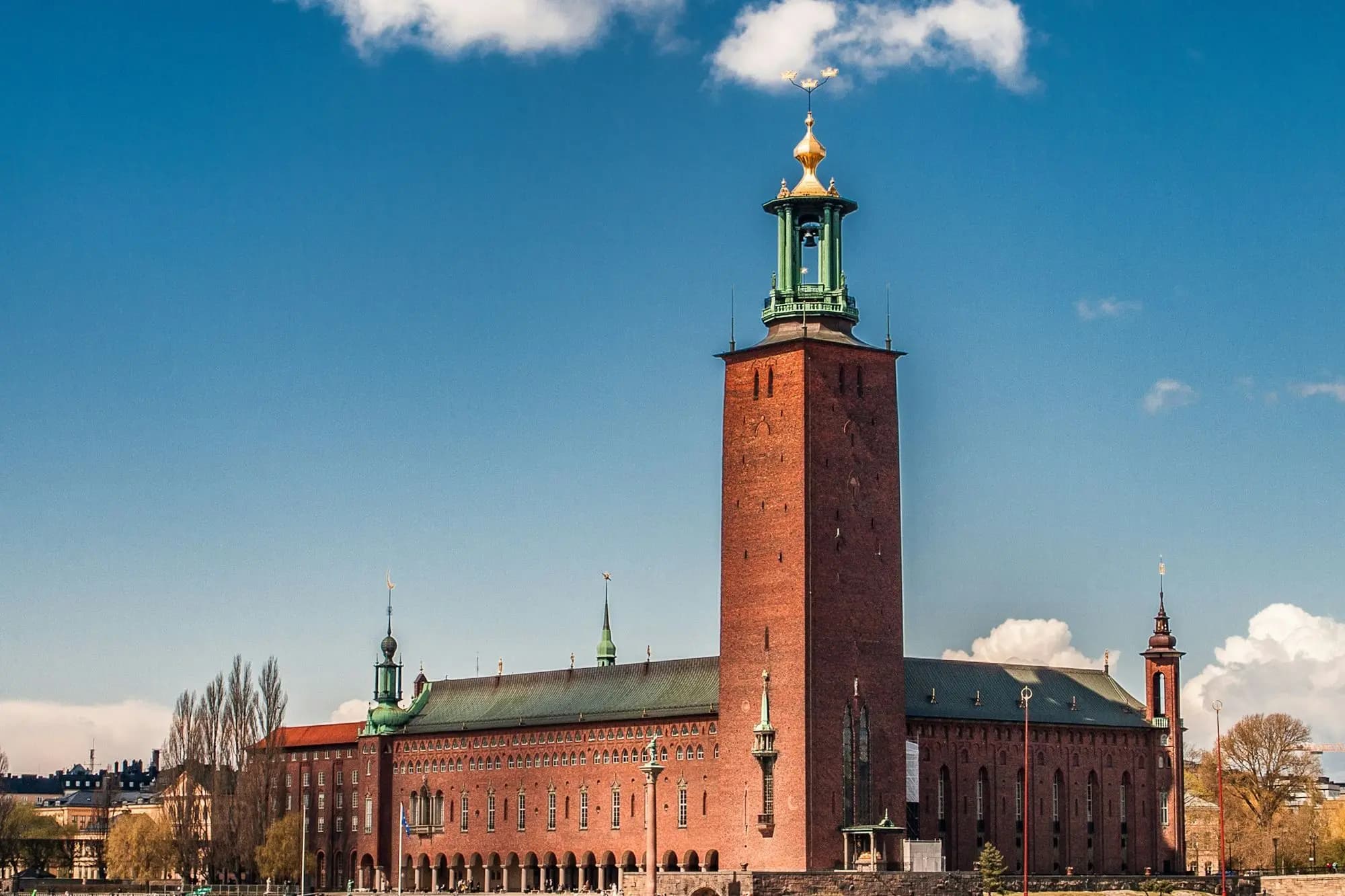
Go into the City Hall, learn the history of the Nobel Prizes and ride glass gondolas up a spherical building to see Stockholm from above.
Explore the metro as an art gallery with an audio guide, go into the Nordic Museum to learn about Swedish culture and review the world's cultures at the Museum of Ethnography.
Sail among the islands of the archipelago, wander around the harbour of Vaxholm, walk on Grinda to its beach and look at the craft workshops of Fjäderholmarna.
Take a ferry to Djurgården, the island of museums, to see the city from the water, and travel by boat to Drottningholm Palace and its Chinese Pavilion.
Take a break the Swedish way with coffee and a cinnamon bun, and try marinated salmon and meatballs among the stalls of an indoor market.
Stroll through one of Stockholm's oldest and most central parks, with fountains, open-air cafés and, in spring, cherry trees in blossom.
Experience Christmas the Swedish way in the oldest square of the historic centre, with its main stage and the traditional houses all around.
Cross into Sweden by train from Copenhagen, stroll through Malmö's historic squares and parks and finish at the Turning Torso, the twisted skyscraper.
Board a cruise-style ferry in Stockholm and link up other Baltic capitals, such as Tallinn and Helsinki.
Spend a day at Sweden's largest ski resort, with slopes for different styles and a school to learn or perfect your technique among snowy mountains.
Stroll through the cobbled alleys of the Old Town, among colourful buildings and small craft shops. Have a coffee, cross Stortorget square and go into the cathedral, next to the Royal Palace.
See up close a whole 17th-century ship, the only one preserved in the world. It sank on its maiden voyage and spent more than three hundred years on the seabed; today it sits inside a building made for it.
Cross to Stockholm's green island and walk along its tree-lined paths. Have a picnic in the gardens, go into the ABBA museum and walk around Skansen, the open-air museum.
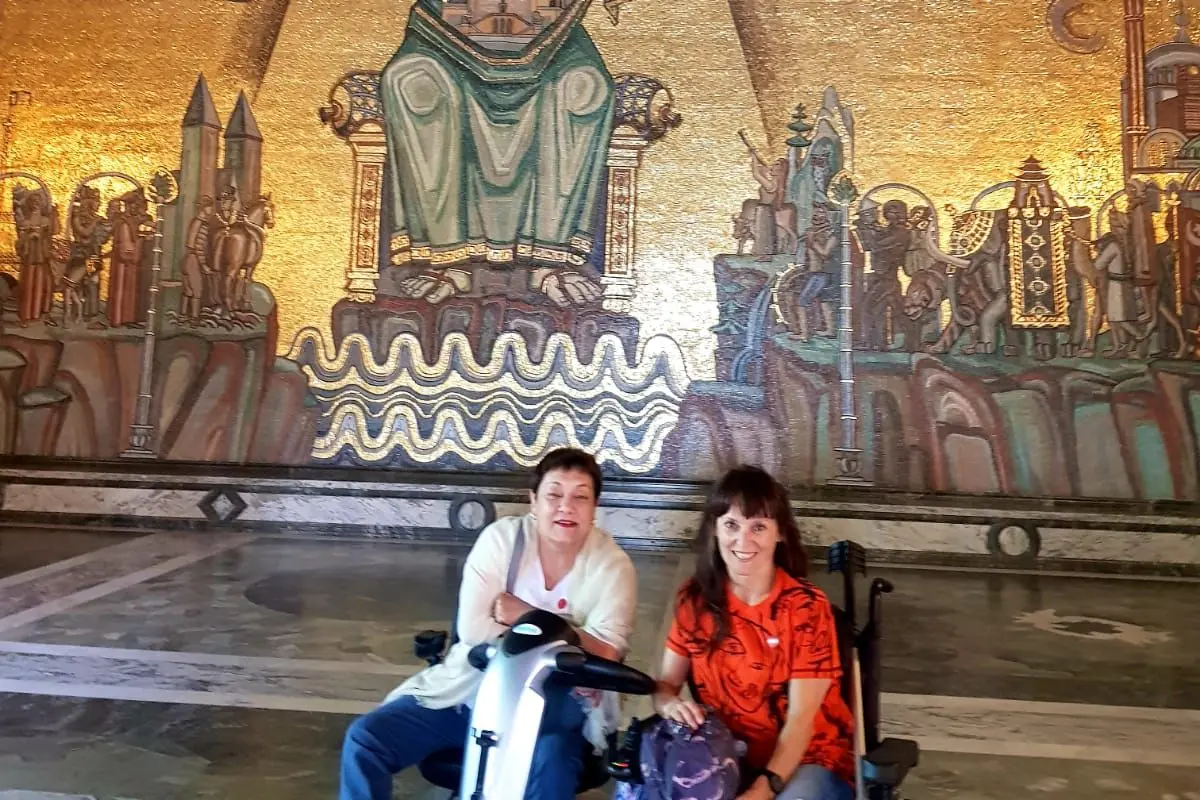
Walk through the sumptuous rooms of the Royal Palace and watch the Changing of the Guard. At City Hall, go into the Blue Hall of the Nobel banquets and look at the mosaics of the Golden Hall.
Climb aboard a boat and hop from island to island. Stroll through Vaxholm, the gateway to the archipelago, walk along the paths of Grinda and reach its sandy beaches, with the Baltic Sea in the background.
Travel to Sweden's largest ski resort and experience the winter snow with adaptive skiing. Try different styles and learn or perfect your technique at the school, among snowy mountains.
I'd like to plan my trip (opens in a new tab)
The Accessible Radar brings together what we know about the accessibility of each destination.
In the Radar, the cities in Sweden we have the most information about are Stockholm, Malmö, Gothenburg and Åre.
Sweden is best enjoyed in spring, summer and autumn, before the first snowfalls: these are the months to stroll around Stockholm, sail among the islands of the archipelago and sit on a terrace in Kungsträdgården, with the cherry trees in blossom in spring. If snow is your thing, winter brings skiing and the northern lights, and, in Stockholm, the Stortorget Christmas market.
Yes, although it depends on where you go and how you get around. Stockholm is explored among islands and bridges, with museums and trips on the water, and in Åre there is adaptive skiing. The cobbled streets of Gamla Stan and the islands of the archipelago call for more preparation, so tell us how you get around and we will see which plan suits you.
It depends on what you are looking for. Spring, summer and autumn, before the first snowfalls, are the months to stroll around Stockholm and sail among the islands; in spring, the cherry trees of Kungsträdgården also blossom. For skiing in Åre or seeing the northern lights, winter.
Start with Gamla Stan, the Old Town, and the Royal Palace. On the island of Djurgården are the Vasa Museum, the ABBA museum and Skansen. Go into City Hall, where the Nobel banquet is held, explore the metro as an art gallery and look at the city from the water.
Yes, on the islands of the archipelago. On Grinda there is a sandy beach reached by paths, and Sandhamn has its own next to its fishing harbour. These are island beaches, so you get there by boat and they call for some walking.
Stockholm. It is built across islands, at the mouth of a great lake, and that is why it is known as “the Scandinavian Venice”. The trip usually starts there: Gamla Stan, Djurgården, the Royal Palace and the archipelago, a short step from the city.
When you know you want to travel, start here. If you're still finding out more, keep exploring: this website is designed to answer your questions.
Noa, our virtual assistant, will look after you: she listens to you, asks you a few questions and books you a call with someone from our team. Who is Noa?