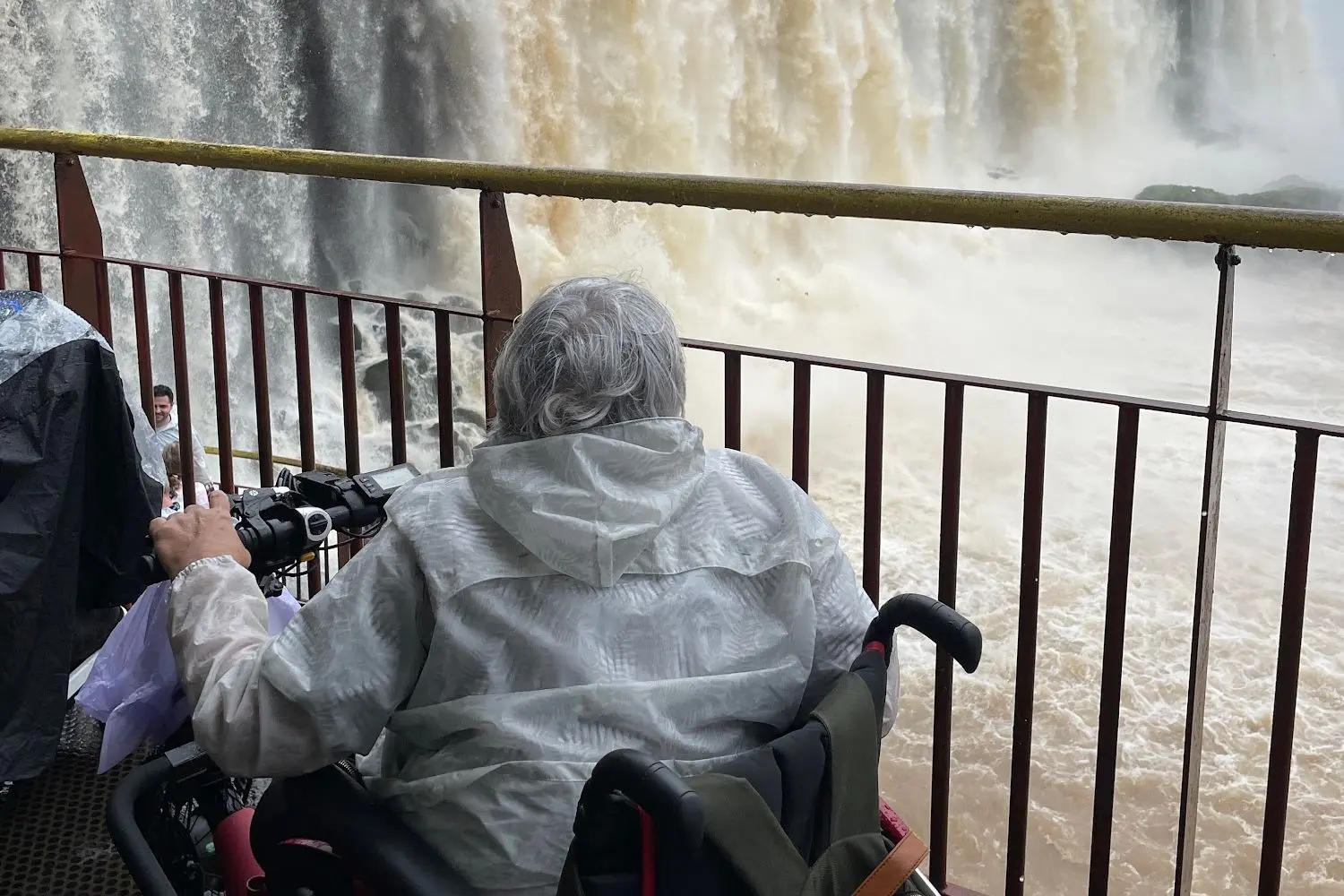
Iguazú Falls amid the rainforest
A train crosses the rainforest on the Argentine side and the walkways lead to the Devil's Throat, the waterfall where the water falls with the most force.

Accessible tourism in Argentina
Let yourself be moved by the nature of the south
At the southern end of the Americas, a southern destination awaits you.
Argentina is a country of imposing landscapes and a nature full of colours and contrasts: you can go from rainforest to ice in a single day. Start with the Iguazú Falls, in the heart of the Misiones rainforest, and then fly to Patagonia, a region framed by hills, turquoise lakes and glacier fields.
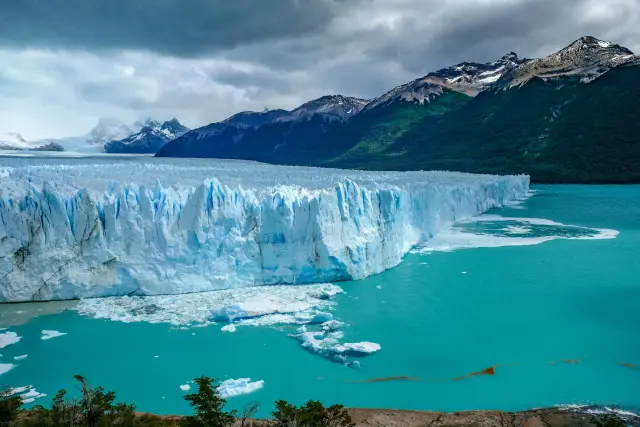
At Iguazú, a train crosses the rainforest and the walkways lead to the Devil's Throat; at Perito Moreno, the balconies look straight at the wall of ice.
Let yourself be surprised by its extraordinary cultural heritage and its culinary richness, in wines and meats as well as in regional products. Get to know the customs of its people, which always revolve around meeting up and sharing. You'll love being part of it!
Start at Iguazú: a train crosses the rainforest on the Argentine side and the walkways take you to the Devil's Throat, the waterfall where the water falls with the most force.
Then fly south, to El Calafate, and spend a day in front of Perito Moreno, first from the balconies that look onto its wall of ice and then from Lago Argentino, aboard a boat. Another day, sail the Patagonian lakes to see the ice walls of other glaciers from the water.
In Puerto Madryn, the rendezvous is at sea: a boat trip along the coast to see the whales up close.
In Mendoza, swap the boat for a glass: wineries in the Uco Valley, with unhurried tastings and the Andes as a backdrop, and Malbec tastings in Luján de Cuyo.
And to finish, Buenos Aires without rushing: a sightseeing bus through its districts and monuments, and a guided walk around the Recoleta Cemetery, with lunch in a classic café.
A train crosses the rainforest on the Argentine side and the walkways lead to the Devil's Throat, the waterfall where the water falls with the most force.
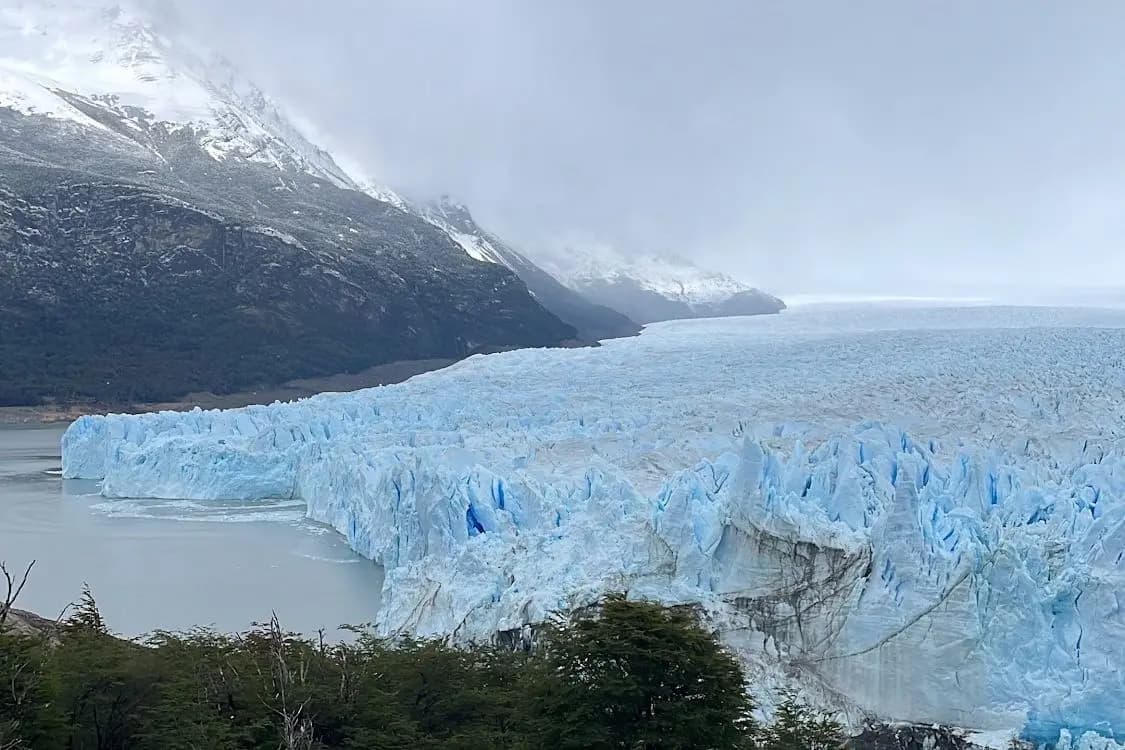
Walk the balconies that look onto Perito Moreno's enormous wall of ice and then sail along Lago Argentino to see it from the water.
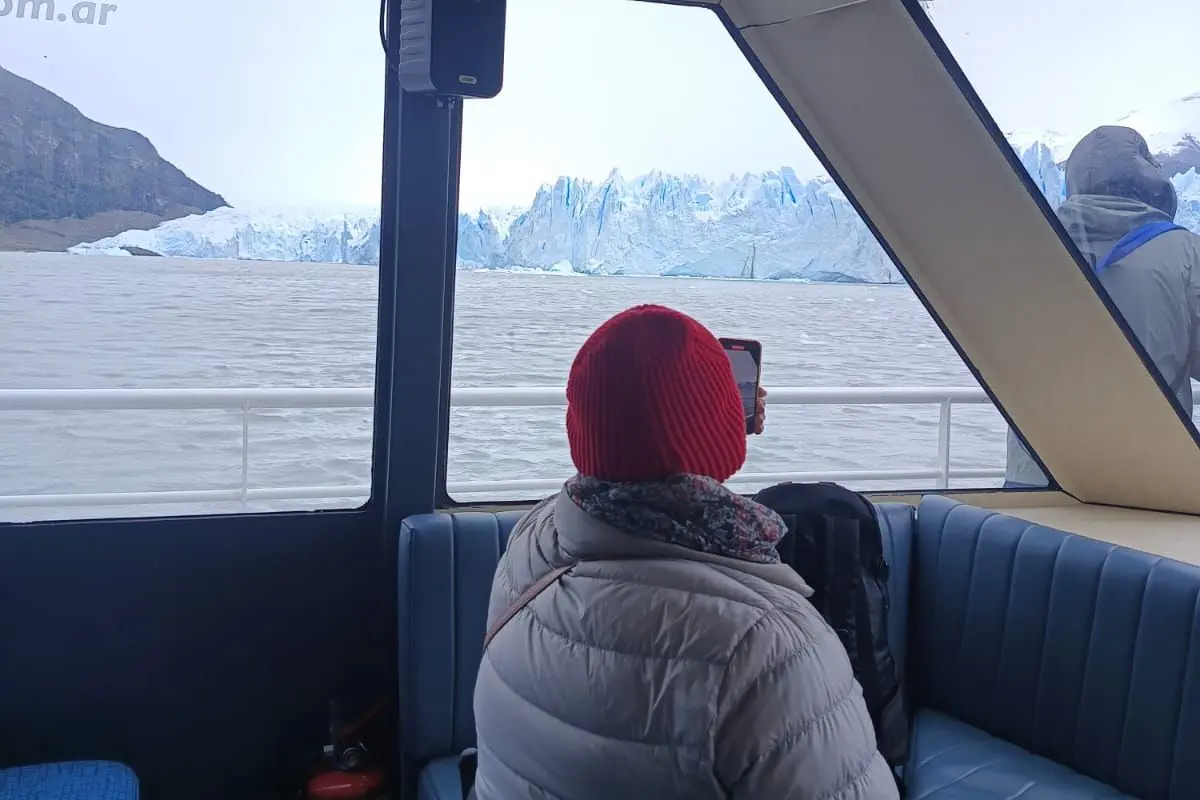
A boat trip on the lakes of southern Argentina, with the enormous ice walls of the glaciers in front of you and a Patagonian landscape of great beauty all around.
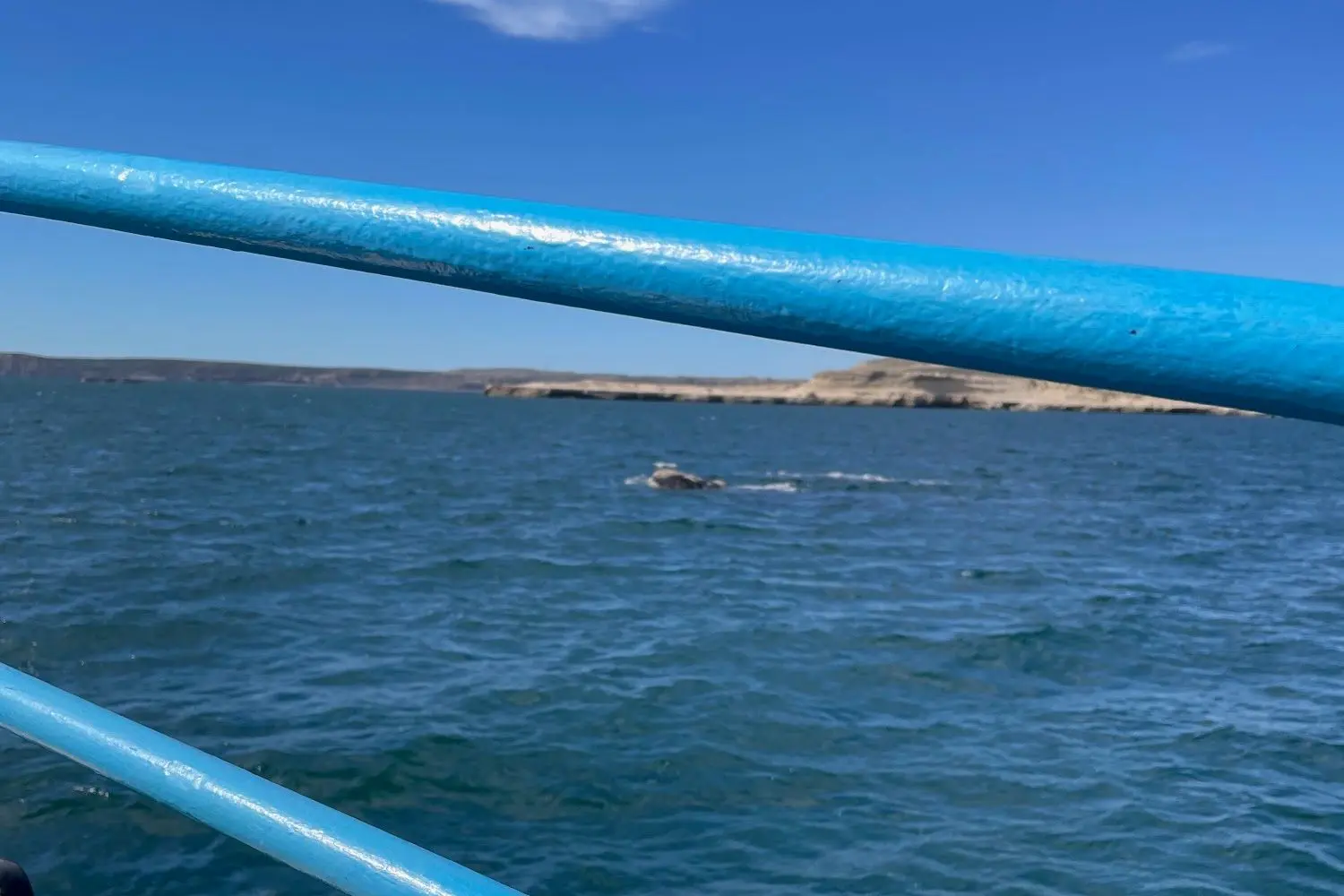
Sail along the coast of Puerto Madryn and see the whales up close in their natural habitat, a very well-known rendezvous in southern Argentina.
Visit wineries at the foot of the Andes, with unhurried tastings and the mountains as a backdrop, and tour those of Luján de Cuyo to learn the history of Malbec.
Walk with a guide among the monumental mausoleums of Recoleta Cemetery, explore the district and stop for lunch in a classic café.
Tour Buenos Aires on a panoramic sightseeing bus route, without rushing and with good views from the windows, through the main districts and monuments.
Tour the vineyards that stretch out at the foot of the Andes mountain range, in one of the great wine capitals. Sit down to a tasting with the mountains as a backdrop and stay for lunch with them in front of you: in Mendoza, the Andes accompany every outing.
Try high-altitude wines in the Uco Valley, with a landscape, an altitude and a climate that give them their own personality. Continue to Luján de Cuyo, so closely linked to Argentine Malbec, and visit its wineries to learn the history of Mendoza wine and the work behind every bottle.
Gaze at the Andes from the wineries and try new flavours. Wine is the thread of the trip, and Malbec tells its own story, that of the relationship between the land, the people and the wine. Come closer to a region that has made wine tourism a way of life.
Sail the lakes of the south to the ice walls of the glaciers and see Perito Moreno from the water. On the coast of Puerto Madryn, board a boat to see the whales up close.
I'd like to plan my trip (opens in a new tab)
The Accessible Radar brings together what we know about the accessibility of each destination.
Argentina is in the southern hemisphere, so the seasons are the opposite of Europe's. Spring and autumn work for almost the whole country: Buenos Aires can be strolled at a leisurely pace, at Iguazú the heat eases off and Mendoza is full of vineyards. Patagonia is at its best in the warm months, with long days.
Yes, although not equally everywhere. The most manageable are the Iguazú walkways and those at Perito Moreno, and relaxed outings, such as a sightseeing bus around Buenos Aires; what needs more preparation is getting onto a boat on the Patagonian lakes and coast, and the distances in Patagonia.
What people remember most fits into a route through Buenos Aires, Iguazú, El Calafate and Mendoza. In Buenos Aires, Recoleta and its districts; at Iguazú, the falls and the Devil's Throat; in El Calafate, Perito Moreno; in Mendoza, the wineries at the foot of the Andes. If the trip calls for the sea, Puerto Madryn and its whales make a good addition.
It depends on where you go. Spring and autumn, from September to November and from March to May, work for almost the whole country. Patagonia is at its best from November to March, with long days. The whales arrive in Puerto Madryn from June to December and the Mendoza grape harvest comes at the end of summer.
Buenos Aires can be explored without rushing on a sightseeing bus through its districts and monuments. A morning can be given over to a guided walk around the Recoleta Cemetery and its neighbourhood, with lunch in a classic café.
In El Calafate, spend a day in front of Perito Moreno: first from the balconies that look onto its wall of ice and then sailing along Lago Argentino to see it from the water. In Puerto Madryn, a boat trip along the coast to see the whales up close in their natural habitat.
When you know you want to travel, start here. If you're still finding out more, keep exploring: this website is designed to answer your questions.
Noa, our virtual assistant, will look after you: she listens to you, asks you a few questions and books you a call with someone from our team. Who is Noa?