Lucerne's old town and waterfront
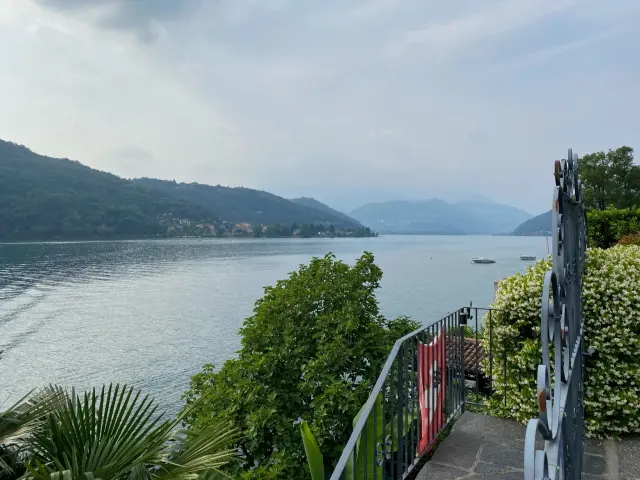
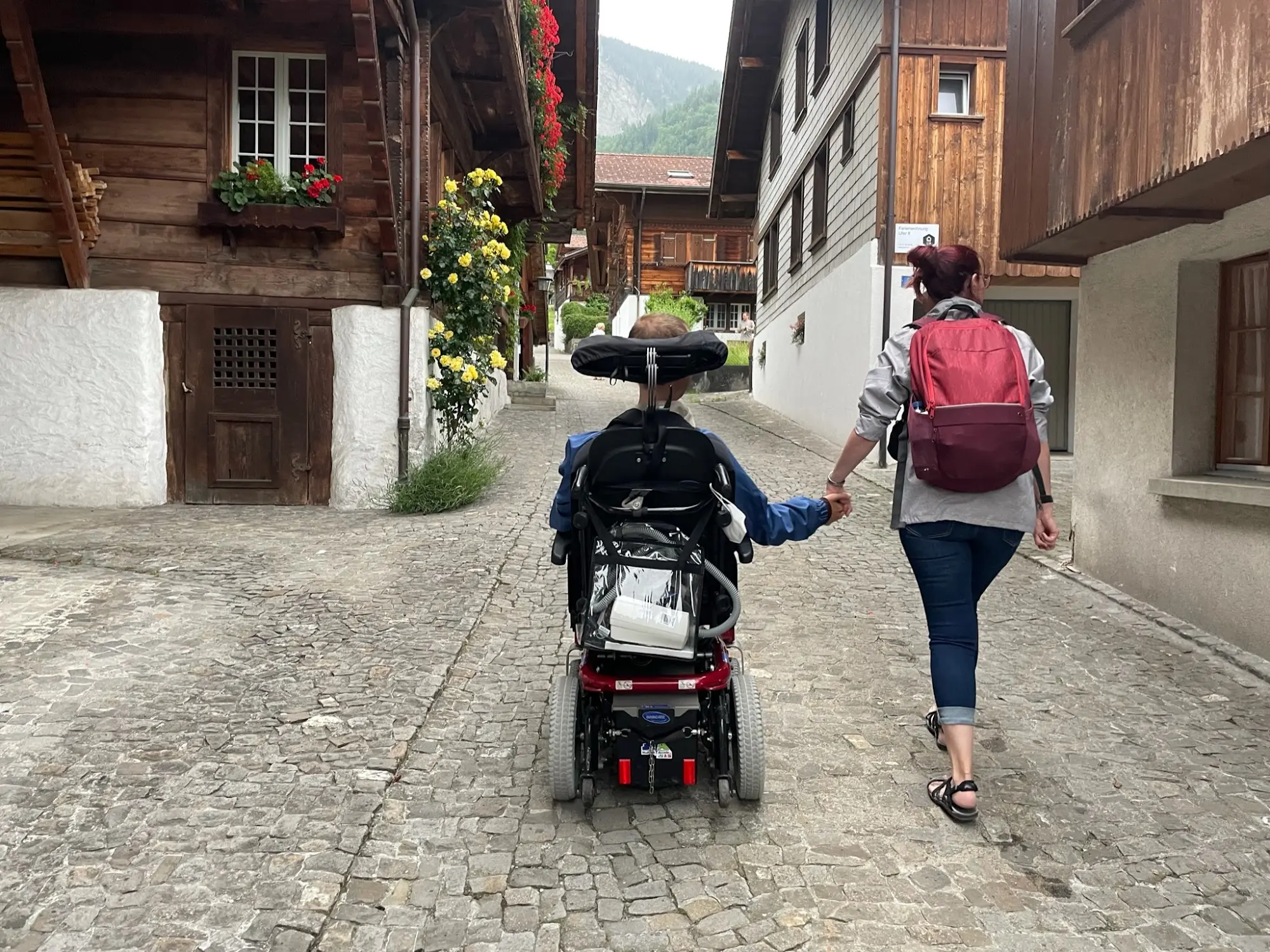
Cobbled alleys, painted façades and squares as far as the wooden covered bridge over the Reuss. Then a walk beside the lake with the mountains in the background.

Accessible tourism in Switzerland
Still lakes, mountain peaks and medieval cities
Switzerland is, par excellence, a major destination for those who love the mountains. Its wide, green valleys are home to mountain villages ringed by the Alps, but it is also a land of cosmopolitan cities.
Visit Lucerne and Geneva, cities that are thoroughly modern in style and quality of life but have managed to preserve much of their medieval architecture. Let yourself be surprised by Bern, known as the city of bears, and try one of its traditional beers. Spend a day in Zurich, where you can walk round the Lindt Home of Chocolate museum and delight in the legendary Swiss chocolate.
As for accessibility, Switzerland's rail network, as well as being known for the punctuality of its trains, has stations with assistance where you can request help getting on and off the train. There is also accessible accommodation where you can stay with every comfort.
As we said, if the mountains are your thing, there are accessible hiking trails and also equipment for adaptive skiing and snow sports. You can hire handbikes to get around the city, all-terrain wheelchairs, sit-wakeboards and even paragliding. Switzerland can be enjoyed from start to finish!
Start on the water. In Lucerne, a boat with a drink on board glides past vineyards, historic villas and snow-capped mountains; in Interlaken, the turquoise of Lake Brienz and Lake Thun; and in Zurich, a crossing that ends at a chocolate museum, with flavours to taste.
Then, go up. Pilatus by rack railway and cable car, the Stanserhorn on a wooden funicular and a double-decker cable car with an open top, or Jungfraujoch among glaciers and eternal snow.
If you prefer to let the scenery pass by the window, there is the Bernina Express, with a break for lunch in the valley, or the train from Zurich to Zermatt, where all you need to do is look up to see the Matterhorn. And by car, the Grimsel, Furka, Oberalp and Julier passes to the Upper Engadine.
Between one peak and the next, the cities: the arcades and the astronomical clock of Bern, the Jet d'Eau in Geneva and the Limmat in Zurich. And some time in the Lauterbrunnen valley, where you hear the waterfalls before you see them.
Cobbled alleys, painted façades and squares as far as the wooden covered bridge over the Reuss. Then a walk beside the lake with the mountains in the background.
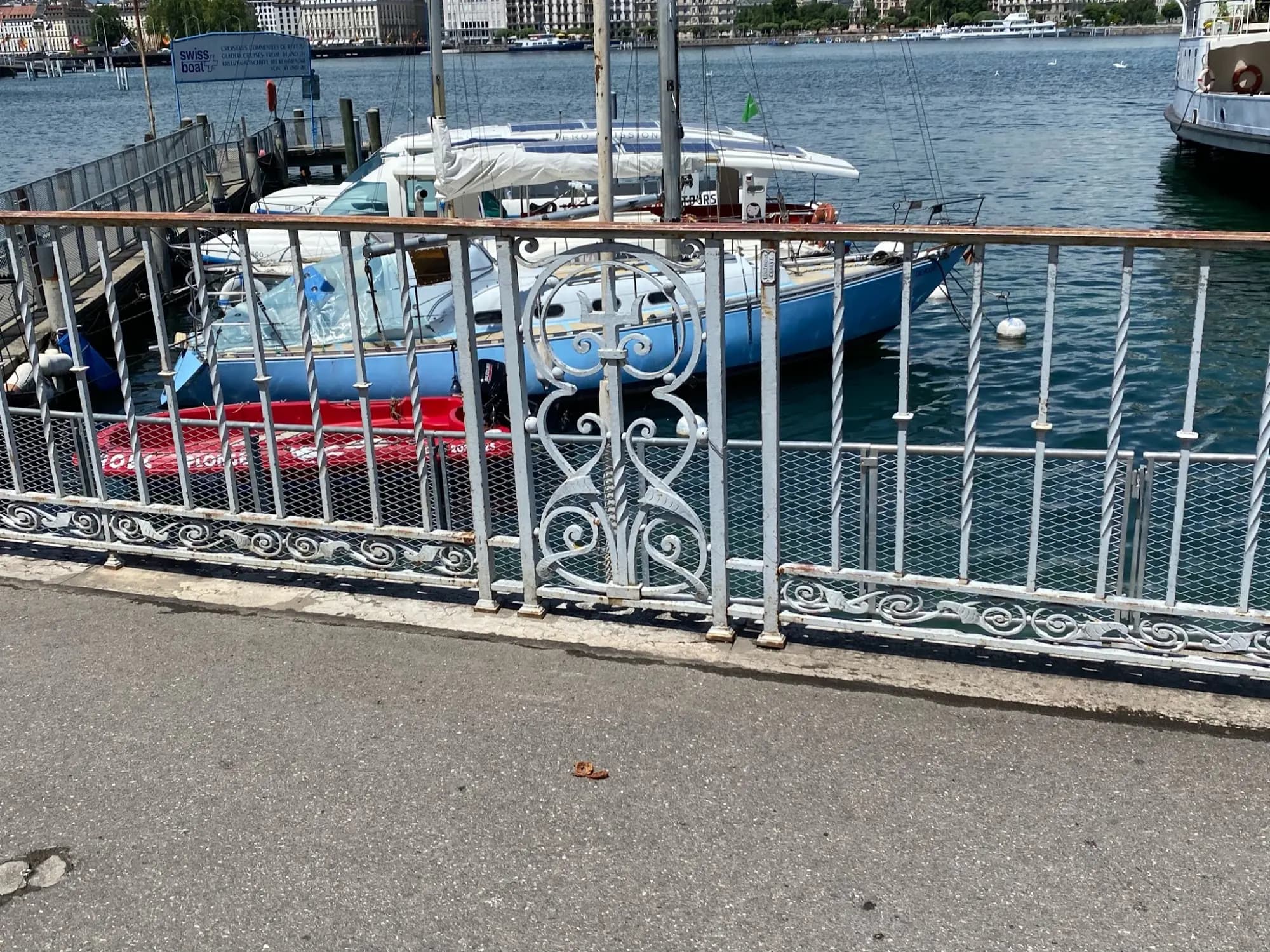
A drink on board among the vineyards of Lake Lucerne, turquoise waters at Brienz and Thun, Geneva from Lake Geneva and, in Zurich, a chocolate museum on arrival.
Go up Pilatus by rack railway and cable car to a terrace above Lucerne. On the Stanserhorn, a wooden funicular, a double-decker cable car and an unhurried meal.
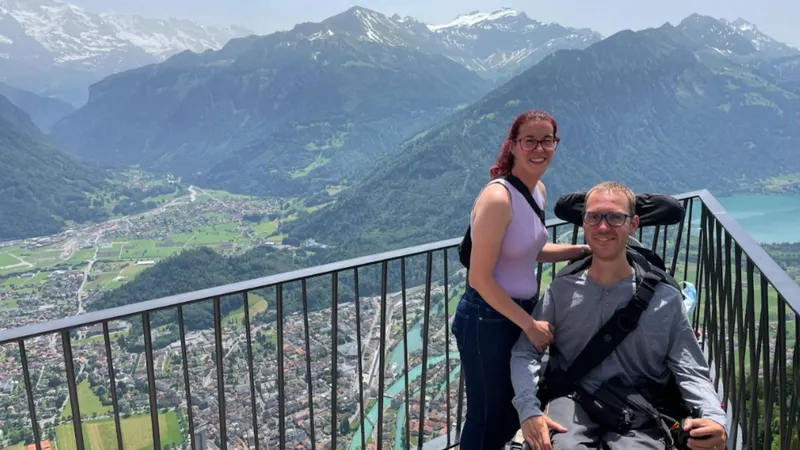
Stroll along the turquoise shore of Lake Brienz, discover the village's wood-carving tradition and take the funicular up to the Harder Kulm, with Interlaken and the two lakes at your feet.
Sheer rock walls and dozens of waterfalls, such as the Staubbach. You hear them before you see them, and they invite you to stay and look without hurrying, with the Eiger in the background.
Stroll through the village beneath the north face of the Eiger, have a drink outdoors looking at the mountain and the glacier, and take the cable car up to Jungfraujoch, among eternal snow.
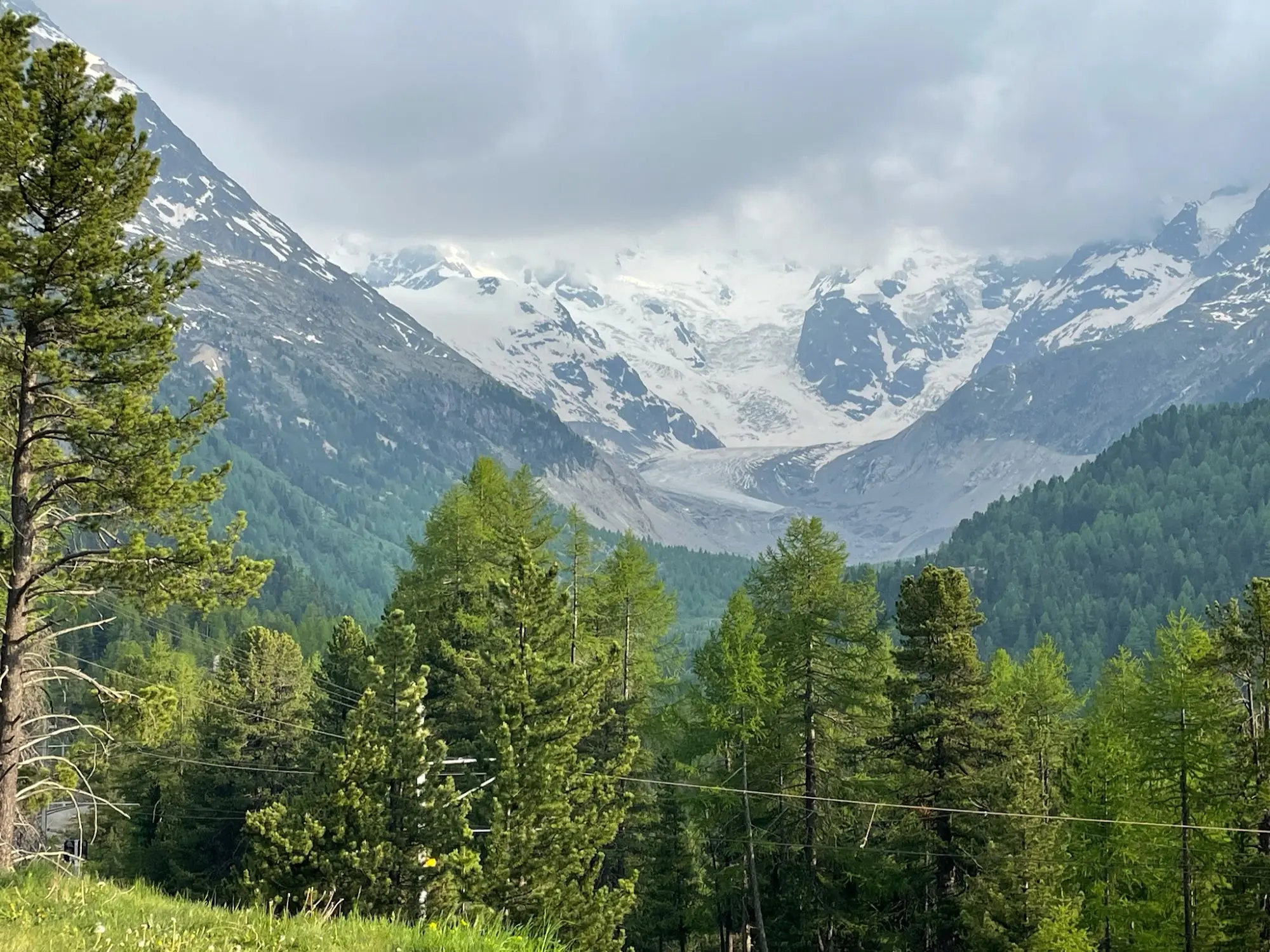
A World Heritage train up to the Bernina Pass, among high-mountain lakes, glaciers and the Brusio Circular Viaduct. By road, the Grimsel and Furka passes.
A train from Zurich in which valleys, forests and peaks change outside the window and, in Zermatt, on foot through the centre, the silhouette of the Matterhorn above the village.
A walk along the shore of Lake Geneva to the Jet d'Eau, the symbol of the city. Then museums, parks beside the lake and a break to try the local cuisine.
Explore the World Heritage old town, sheltered beneath kilometres of arcades. Look for the astronomical clock and let its streets lead you to the river.
Follow the Limmat between façades with centuries of history and stone bridges, and finish by walking along the lakeshore, unhurriedly.
Walkways and viewpoints beside the castle to feel up close how the water falls over the largest waterfall in Europe by volume.
Stroll through the historic old town of painted façades to the Kapellbrücke, the wooden covered bridge. Sail on a panoramic boat with a coffee on board and take the historic funicular and the CabriO, the double-decker cable car, up to a terrace with views of the mountain range. Eat there, in a revolving restaurant.
Sail on the turquoise water of Lake Brienz and Lake Thun, between the Eiger, the Mönch and the Jungfrau. Stroll beside the water in the soft light of the end of the day, take the funicular up to the Harder Kulm and cross the glass walkway above the lakes.
Watch the Staubbach fall from the viewpoints of Lauterbrunnen and spend a while with the waterfalls, which you hear before you see them. In Grindelwald, at the foot of the north face of the Eiger, have a drink with a view and take the Eiger Express up to Jungfraujoch.
Stroll through the Old Town and look at the city from the Lindenhof viewpoint. Continue along the Bahnhofstrasse beside the Limmat, take the historic Polybahn funicular and end with a coffee by the water, looking at the lake without hurrying.
In Geneva, watch the Jet d'Eau rise from Lake Geneva and explore an old town of cobbled streets. In Bern, walk under cover along the arcades, look for the Zytglogge astronomical clock and eat on a terrace beside the River Aare.
Take the train up to the Bernina Pass, with the Palü glacier and the high-mountain lakes outside the window. Pass over the Brusio Circular Viaduct, have a coffee in a mountain hut and reach the Upper Engadine at sunset.
I'd like to plan my trip (opens in a new tab)
The Accessible Radar brings together what we know about the accessibility of each destination.
In the Radar, the cities in Switzerland we have the most information about are Zurich, Geneva, Bern, Zermatt, Interlaken, Lucerne and Spiez.
The best time to travel to Switzerland runs from May to September: the weather is pleasant and the lakes, valleys and mountain villages can be explored at an easy pace. If snow is your thing, winter brings skiing and adaptive snow sports.
Yes, although it depends on the activity. The easiest way to get around is by train, with stations that offer assistance getting on and off; what calls for more preparation are the trips up to the peaks and the cobbled old towns.
From May to September, when the weather is pleasant and the lakes, valleys and mountain villages can be explored at an easy pace. In winter snow rules: it is the season for skiing and adaptive snow sports.
Switzerland brings together cities and mountains. Stroll through Lucerne and its wooden bridge, the arcades of Bern and the Jet d'Eau in Geneva; sail on the lakes; go up Pilatus, the Stanserhorn or Jungfraujoch; and cross the Alps on the Bernina Express.
Yes. The Swiss rail network is known for its punctuality and, at stations with assistance, you can request help getting on and off the train. If you like, we take care of requesting it.
It is a World Heritage train that climbs to the Bernina Pass among high-mountain lakes, glaciers and the Brusio Circular Viaduct. You spend a whole day beside the panoramic window, with stops at viewpoints and an unhurried lunch.
When you know you want to travel, start here. If you're still finding out more, keep exploring: this website is designed to answer your questions.
Noa, our virtual assistant, will look after you: she listens to you, asks you a few questions and books you a call with someone from our team. Who is Noa?