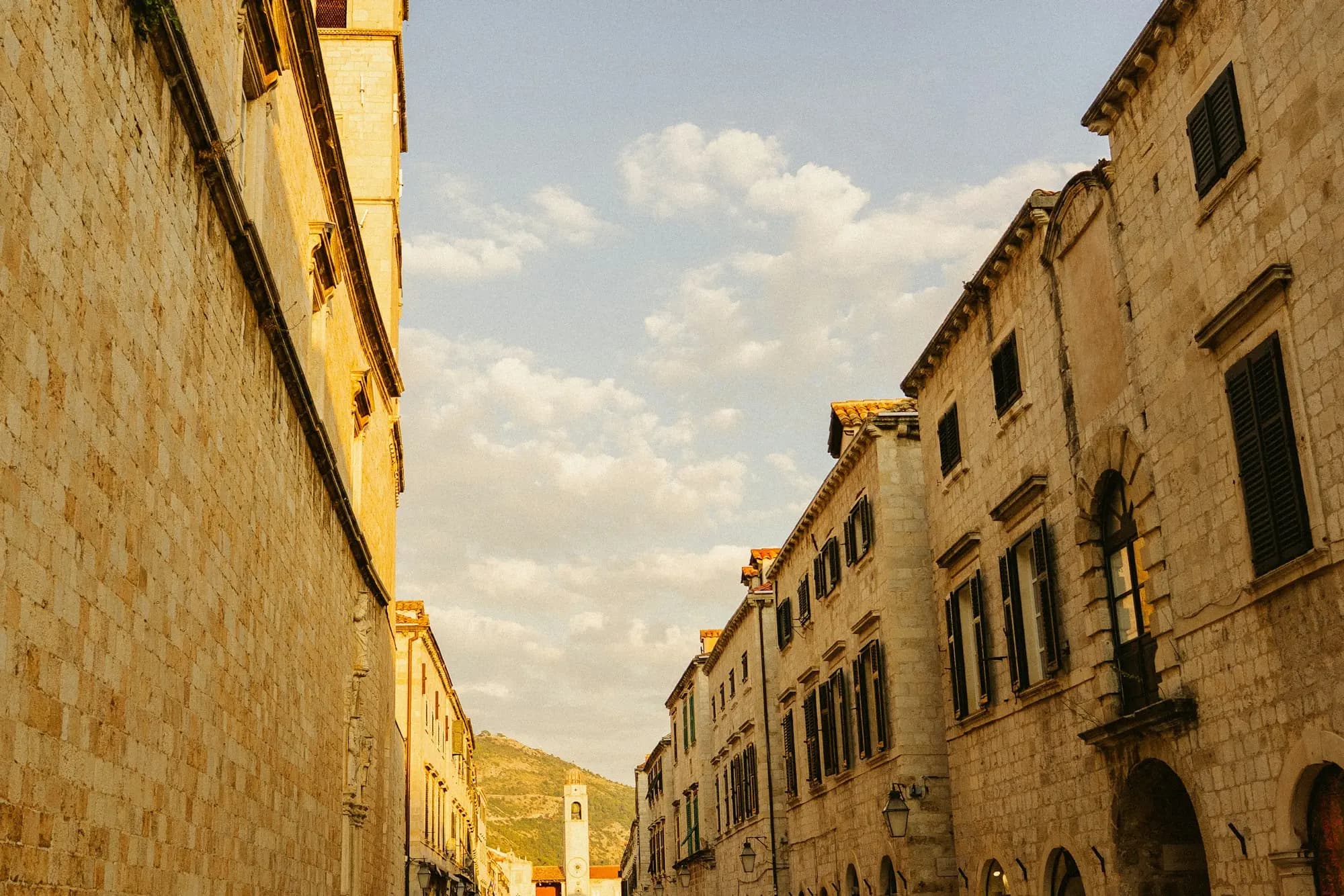
Dubrovnik, the Old Town
Tour the walled city on foot, from the Stradun to the Rector's Palace, with stops at St Blaise's Church, Sponza Palace, the cathedral and the Old Port.

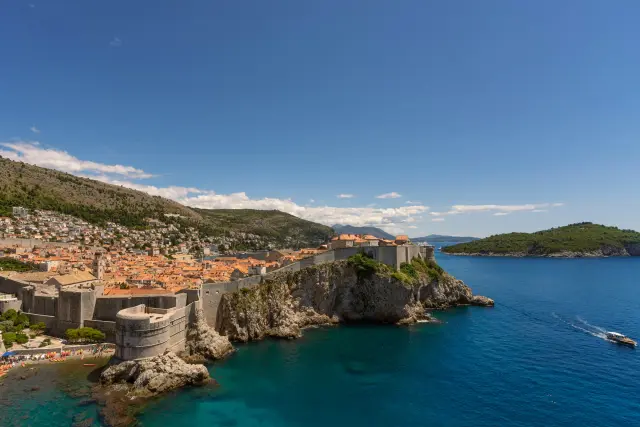
Accessible tourism in Croatia
Travel through time between stone walls and the Adriatic Sea
Croatia is a country of astonishing landscapes. Architecture and nature blend in a unique way, one that has you travelling constantly through time and reflects the mix of Eastern and Western culture present throughout its territory.
Discover Zagreb, the capital, with its Austro-Hungarian architecture, surrounded by countryside, or tour the Old Town in Dubrovnik while you enjoy an unbeatable view of the Adriatic Sea.
In some towns close to the main cities you can even dive in caves or go horse riding. What are you waiting for to tick this destination off your bucket list?
Croatia is a destination we have not yet toured with travellers, and we look at its accessibility with you, plan by plan.
Start with Dubrovnik on foot: walk the Stradun to the Rector's Palace, with stops at St Blaise's Church, Sponza Palace, the cathedral and the Old Port. Another day, go up to the viewpoint on Mount Srđ and look down on the rooftops and the coast.
Very close by, Cavtat is a small medieval village for strolling at an easy pace and finishing beside the sea.
In Split, step into Diocletian's Palace, from the Peristyle to the Temple of Jupiter, and round off the walk on the Riva. A short way off, Trogir keeps in a few stone streets its cathedral, its loggia and the fortress that watches over the harbour.
Zadar is something you listen to: as evening falls, the waves make the Sea Organ sound and the Greeting to the Sun lights up. In the morning, tour the Roman Forum and the Church of St Donatus, or step into the Museum of Ancient Glass. Next door is Nin, small and full of history.
At Plitvice, look at the Great Waterfall from the best-known viewpoint in the park and tour the upper lakes on the panoramic train.
The stone streets and slopes of Dubrovnik call for more preparation than other plans.
Tour the walled city on foot, from the Stradun to the Rector's Palace, with stops at St Blaise's Church, Sponza Palace, the cathedral and the Old Port.
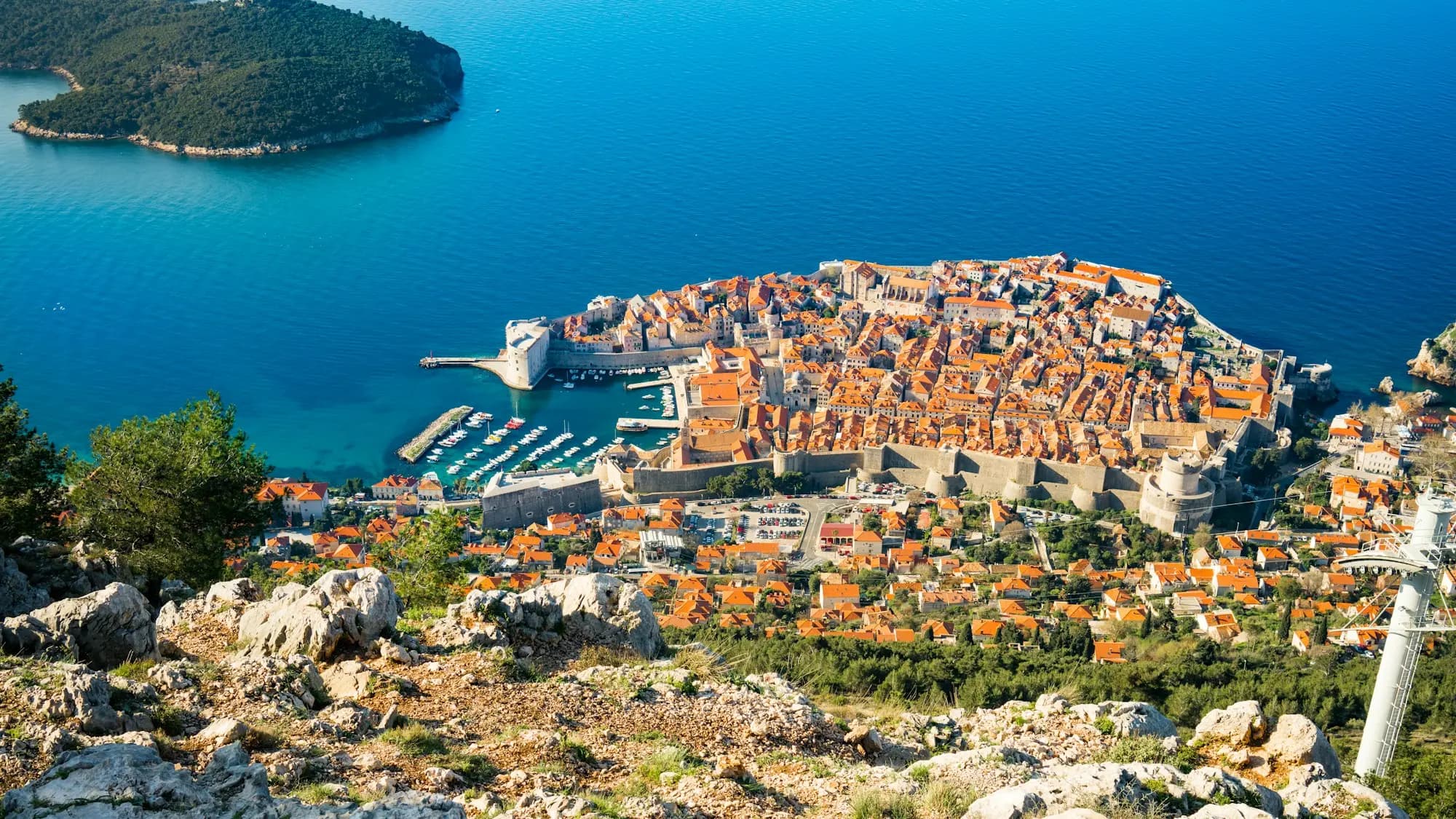
Go up to the viewpoint on Mount Srđ and look at Dubrovnik from above: the rooftops of the old town, the walls and the line of the coast.
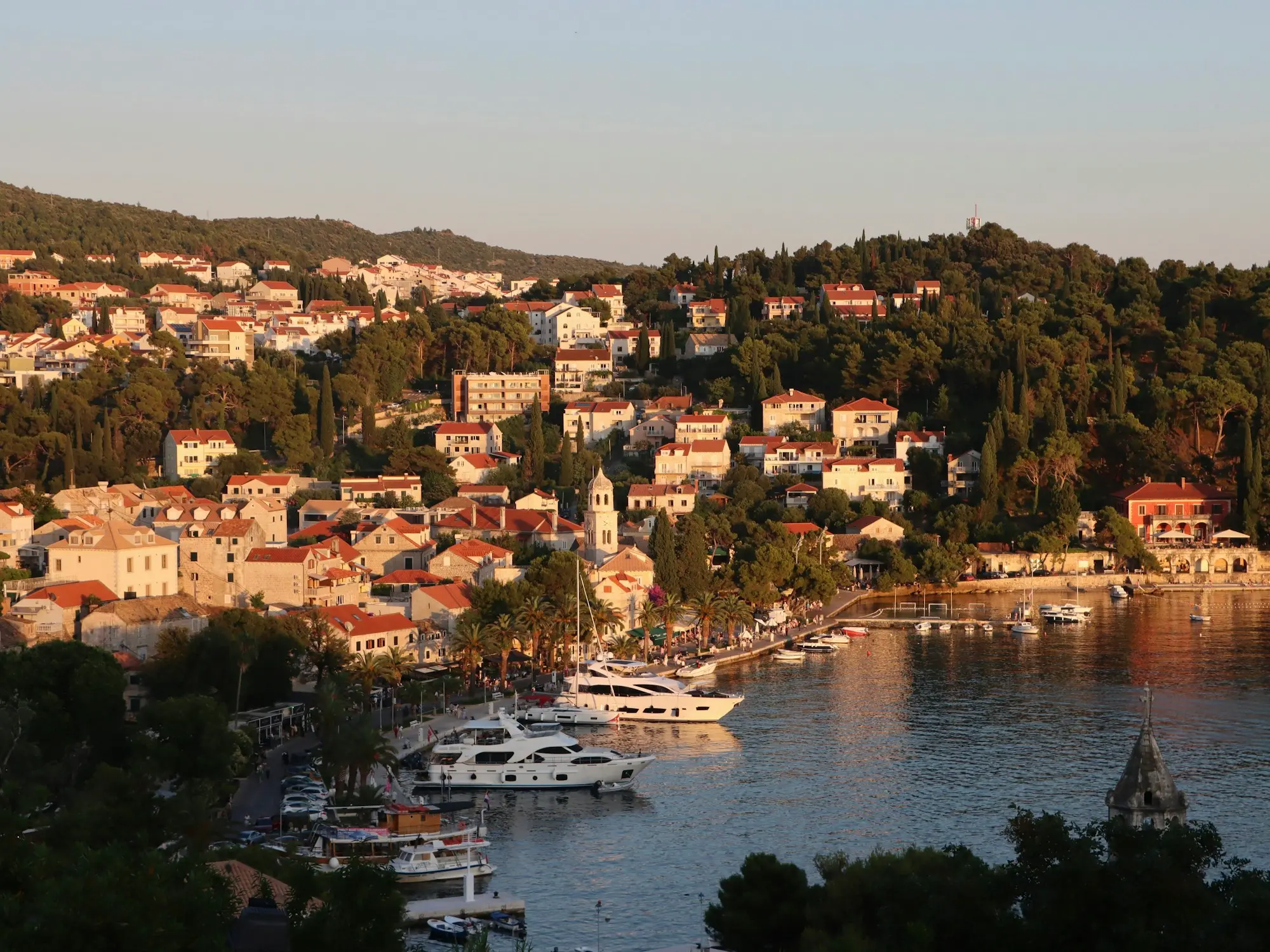
Stroll through the small medieval village of Cavtat, near Dubrovnik, and finish with a quiet walk along the Adriatic shore.
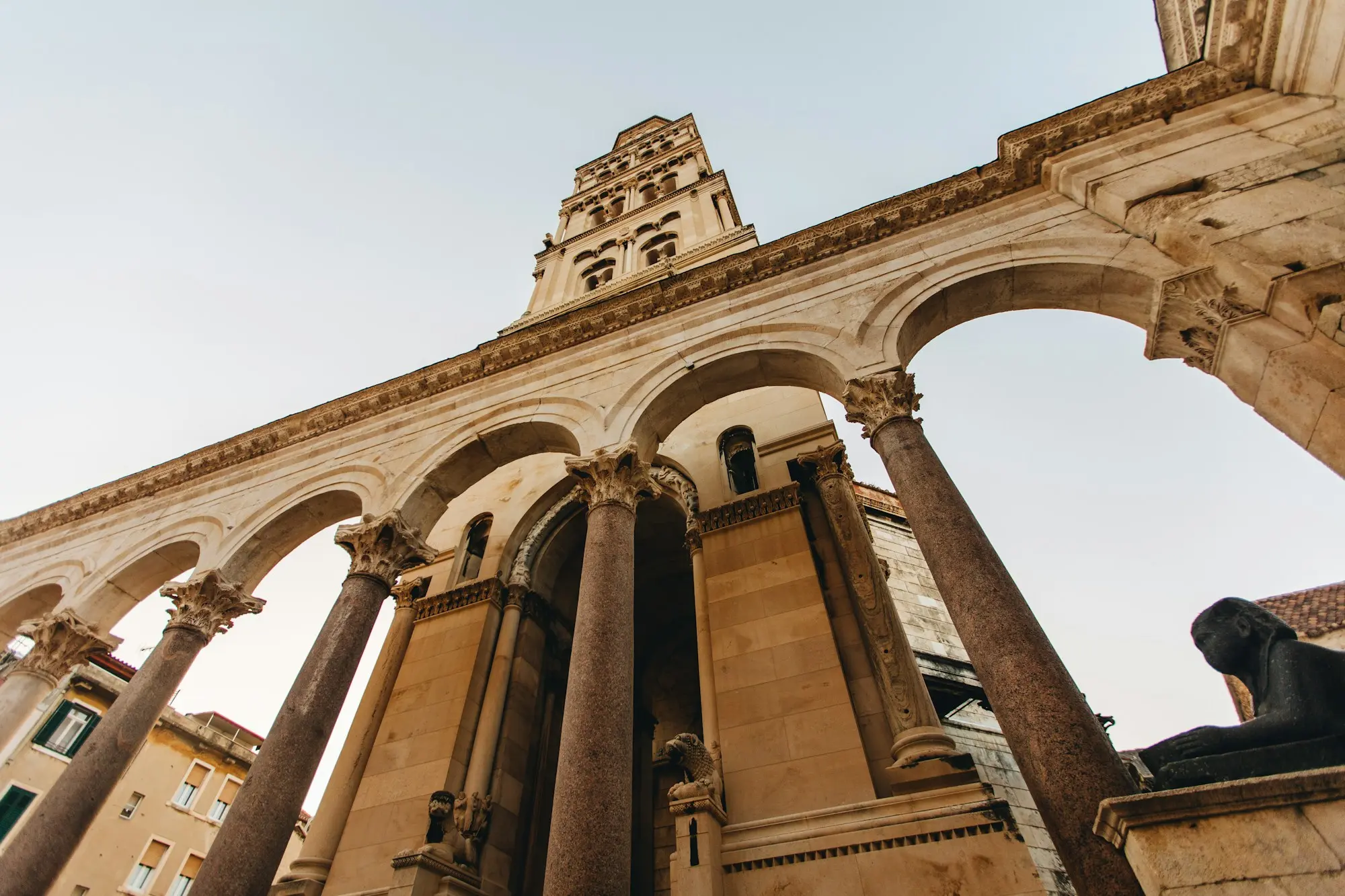
Step into the Roman palace that beats at the heart of Split, from the Peristyle to the Temple of Jupiter and the cathedral, and finish beside the sea on the Riva.
Tour the stone streets of Trogir and discover its cathedral, the Duke's Palace, the loggia and the fortress that watches over the harbour.
Listen to the waves make the Sea Organ sound on the Zadar promenade and stay until the circle of light of the Greeting to the Sun comes on.
Tour the Roman Forum, the Church of St Donatus and St Anastasia's Cathedral, and see ancient glass up close in a palace facing the harbour.
Look at the Great Waterfall from the best-known viewpoint in the park and tour the upper lakes on the panoramic train, among turquoise water and forest.
Watch the River Krka tumble down in steps among the vegetation and cool off in the breeze of the waterfalls, in a national park a short distance from the coast.
Tour the Upper Town along cobbled streets, listen to the noon cannon at the Lotrščak Tower and go down to the red stalls of Dolac Market.
Climb the little lanes to the Church of St Euphemia, which crowns the peninsula, and go down to the harbour to see the boats in the afternoon light.
See the Arena up close, one of the best-preserved Roman amphitheatres, and stroll through Pula among arches, temples and squares with terraces.
Zadar looks out to sea in a calm way. Listen to the Sea Organ, which plays with the waves, and carry on to the Greeting to the Sun, a circle of glass that lights up as evening falls beside the water.
In Istria, Motovun crowns a hill among oak woods. Climb its walls, look out over the valley, try truffle at a restaurant in the village and have it with a local wine.
I'd like to plan my trip (opens in a new tab)
The Accessible Radar brings together what we know about the accessibility of each destination.
In the Radar, the cities in Croatia we have the most information about are Dubrovnik, Split and Zadar.
The best time to travel to Croatia is spring and early autumn. The weather is mild, the light is soft and the stone cities are explored at an easy pace. In summer come the warm sea, long days and plenty of people.
It depends. Croatia is a destination we have not yet toured with travellers, so we look at its accessibility with you, plan by plan.
What we do know is that Dubrovnik and other coastal cities have stone streets and slopes. They are plans that call for more preparation.
In spring and early autumn, when it is mild and the light is soft. In summer the coast fills with people and heat, but the sea is warm. In winter, Zagreb fills with Advent lights, although it is cold.
Zagreb and its Upper Town, the Old Town of Dubrovnik, Diocletian's Palace in Split, the Plitvice lakes tumbling in cascades and the Krka waterfalls. In Istria, Rovinj and the Arena in Pula. And on the coast, Zadar and its Sea Organ.
The Old Town with the Stradun, the old port and the walls, from which you can see the Adriatic and the orange rooftops. Also Mount Srđ, with the best views at sunset.
The walls are climbed by steps and the streets are of polished stone.
When you know you want to travel, start here. If you're still finding out more, keep exploring: this website is designed to answer your questions.
Noa, our virtual assistant, will look after you: she listens to you, asks you a few questions and books you a call with someone from our team. Who is Noa?