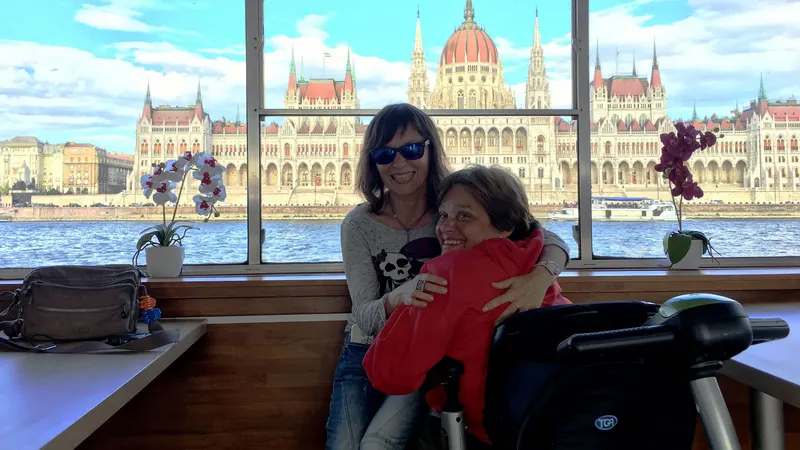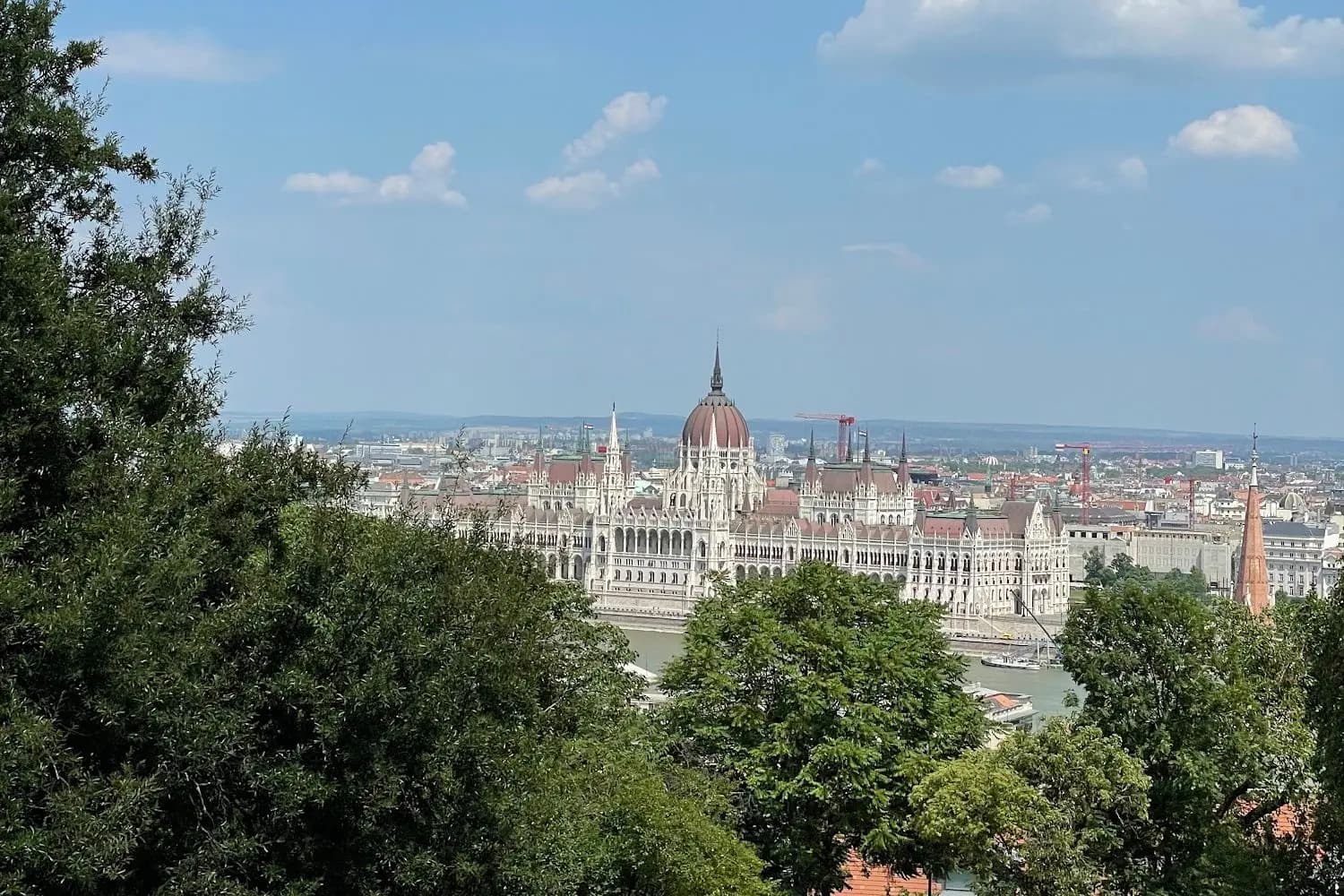
Buda Castle and the Fisherman's Bastion
Climb Castle Hill, walk along the terraces of the Fisherman's Bastion and step into Matthias Church, with views of the Danube, the bridges and Pest.

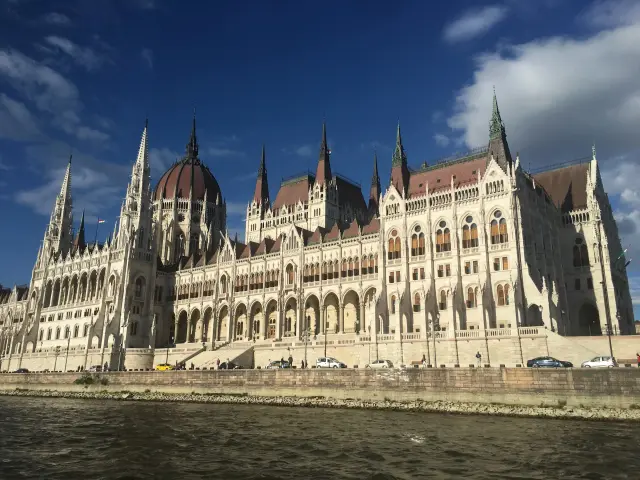
Accessible tourism in Hungary
A Hungary with many stories to tell
Hungary is a country with many stories to tell. For its interesting mix of cultures, for its old buildings of great architectural value, for its wonderful people… Wherever you go, every corner is full of context and magic.
As well as its incredible cities, Hungary is a place with an incredible natural setting, of imposing forests, lakes and mountains. Budapest, the capital, will amaze you with its architecture and its infrastructure: the castle district is explored in peace and the Danube is seen from a boat, as night falls.
The food of this destination deserves a mention of its own. With intense flavours very different from ours, most of the dishes are eaten with a spoon and will take you on a journey of textures and aromas that you will never forget.
Let's make Hungary part of your next travel itinerary!
Start Budapest from above: climb Castle Hill and walk along the terraces of the Fisherman's Bastion. Step into Matthias Church, with the Danube and Pest at your feet.
Another day, go inside the Parliament and follow the riverbank to the Shoes memorial and the Chain Bridge.
As night falls, go aboard and see the city lit up from the water. And after so many monuments? An afternoon at the Széchenyi baths, beside their great yellow building.
Eat goulash in the Central Market with violins in the background (spoon in hand, of course) and, if you travel at Christmas, stroll among the stalls of the Christmas market. In the evening, an evening of Hungarian dance and music or a drink in a ruin bar, in a building that was once abandoned.
To slow down, Margaret Island: Japanese gardens, the ruins of a convent and a musical fountain that lights up at night. And if you have a day to spare, Gödöllő Palace, so closely tied to Sisi.
Climb Castle Hill, walk along the terraces of the Fisherman's Bastion and step into Matthias Church, with views of the Danube, the bridges and Pest.
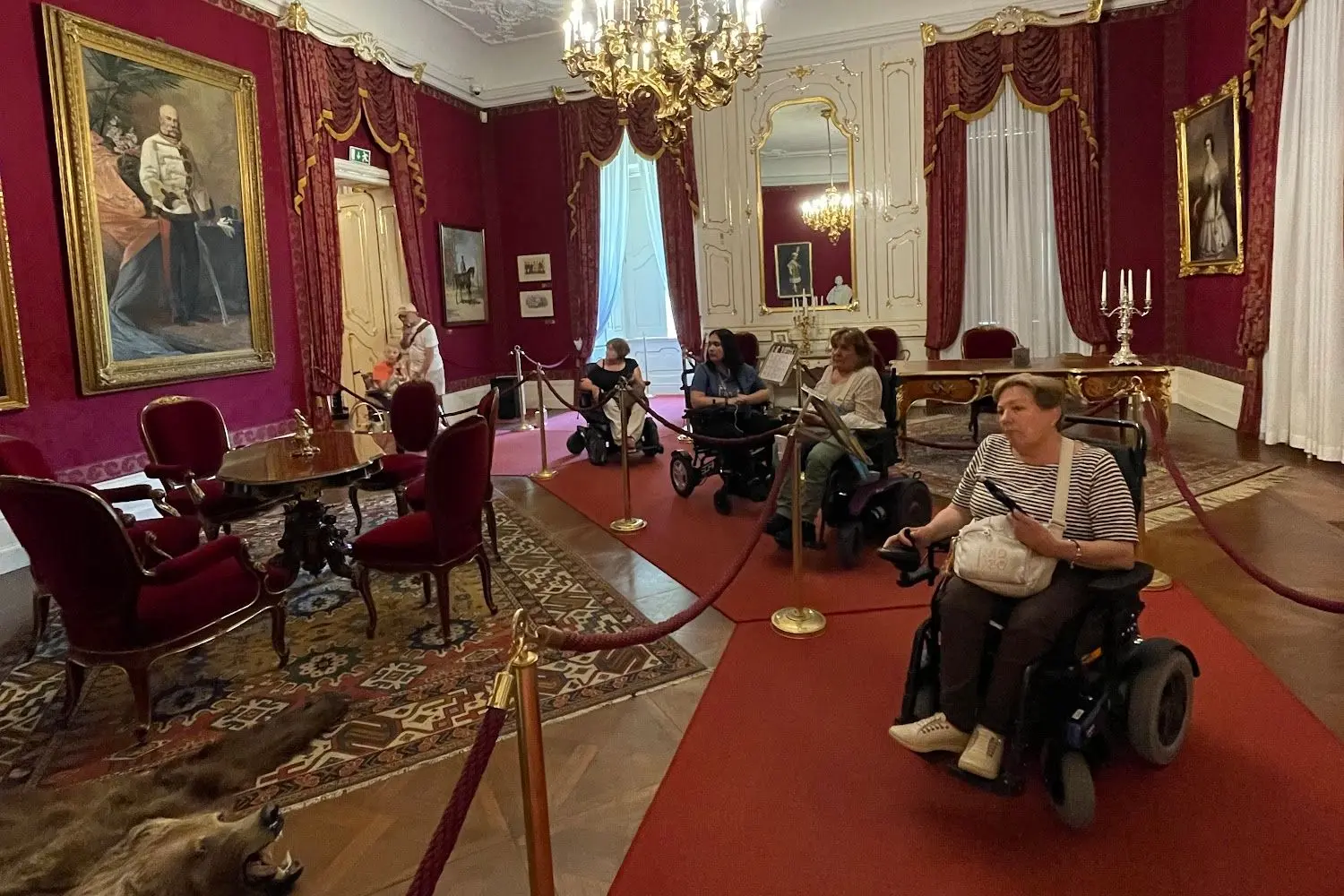
Step into the Parliament, on the banks of the Danube, and tour its interior to understand the history and architecture of one of the great symbols of Budapest.
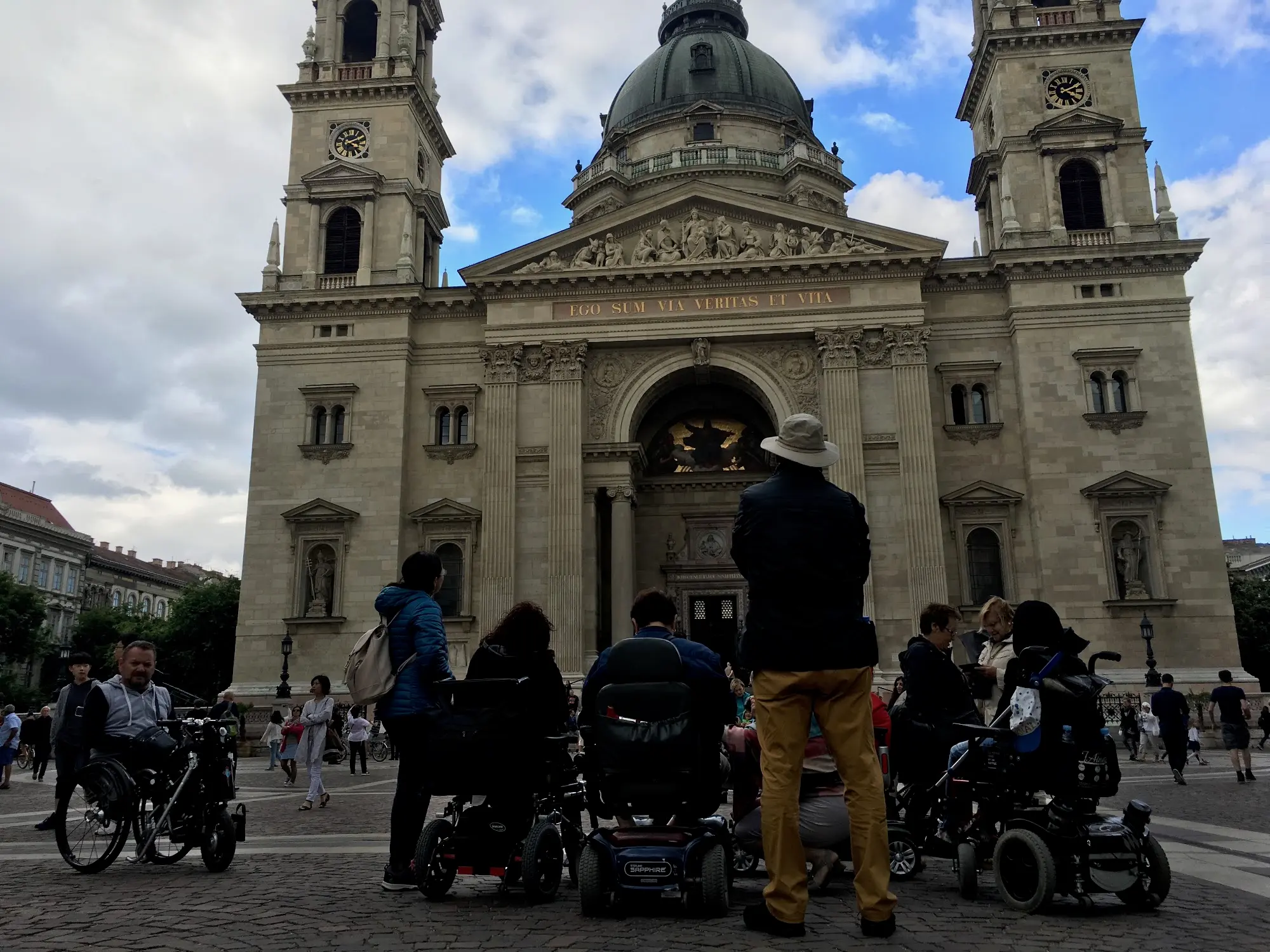
Follow the bank of the Danube from the Parliament to the Shoes memorial and the Chain Bridge, with a stop at St Stephen's Basilica.
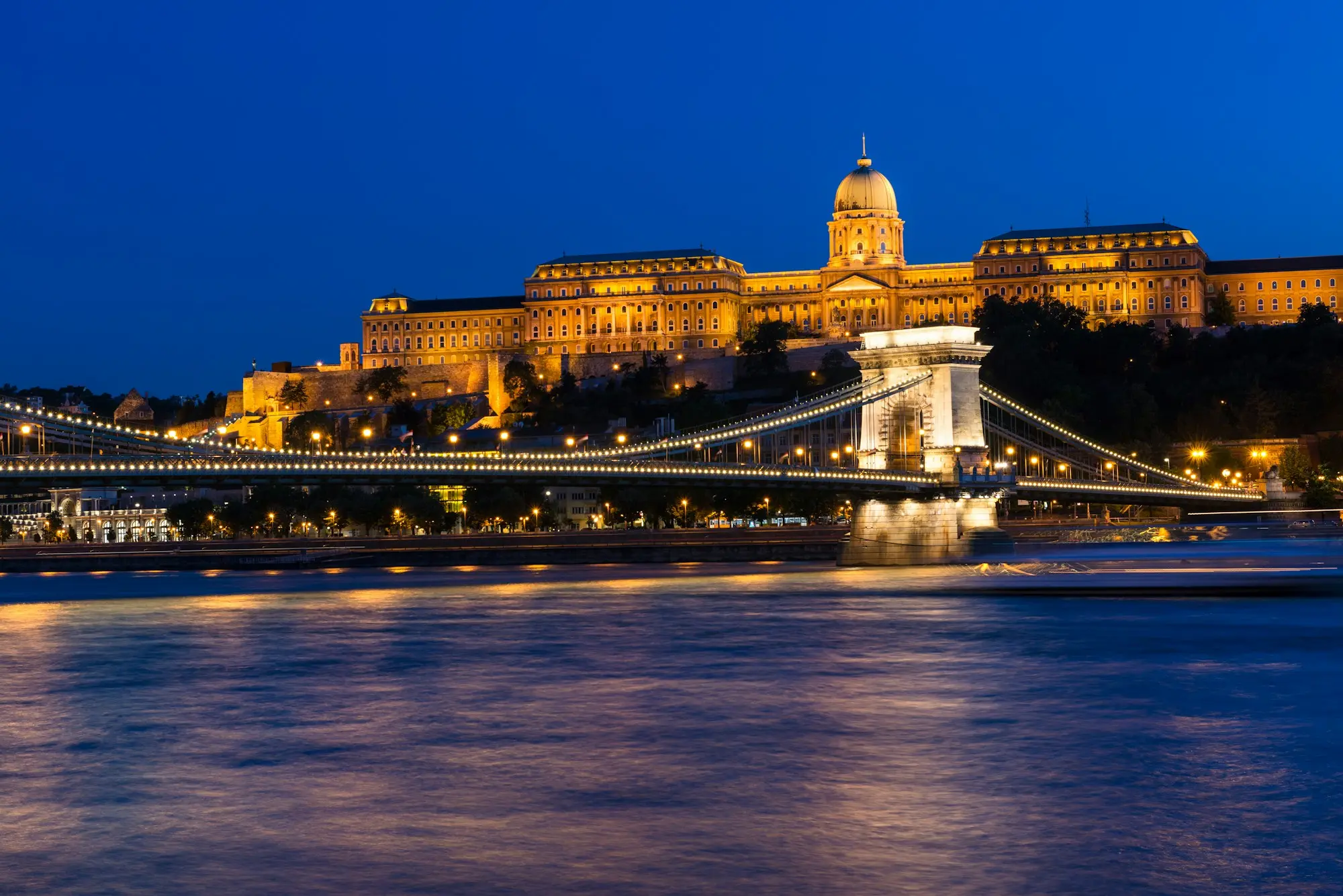
Go aboard as night falls and see Budapest lit up from the water, with its bridges and its most emblematic buildings on both banks of the river.
Stroll through the old Jewish Quarter, step into the Great Synagogue and the Tree of Life, and reach Heroes' Square, beside City Park.
Spend the afternoon in the thermal waters of Széchenyi, beside their great yellow building, and experience one of the city's traditions.
Eat goulash in the Central Market with live violins in the background and stroll among the stalls of the Christmas market, amid lights, crafts and seasonal flavours.
Attend a show of traditional dance and music at a theatre in the capital and have a drink in a ruin bar, set up in an old abandoned building.
Stroll at an easy pace through the great park in the middle of the Danube, among Japanese gardens and the ruins of a convent, to the musical fountain that lights up at night.
Head out to the outskirts of Budapest to the Baroque palace of Gödöllő, one of the great royal residences of Hungary and closely tied to Empress Sisi.
Visit the church hollowed out of the rock of Gellért Hill, a different stop in Buda, with a very special atmosphere and views all around.
Go up to Buda and look out from the Fisherman's Bastion over the Parliament and the Danube. Step into Matthias Church, with its mosaic roof, see the façade of the Royal Palace and tour at an easy pace the castle district, which is quiet.
Take in the neo-Gothic Parliament beside the river and follow the bank of the Danube. Pause before the Shoes memorial, a moving remembrance, and look at Buda Castle from Pest.
Go aboard at sunset and sail along the Danube. You will see the Parliament lit up, Buda Castle, the historic bridges and the city reflected in the river. It is a perspective you do not get from land.
Step into the Great Synagogue and pause before the Tree of Life, a moving memorial. Look at the murals that tell the story of the ghetto and carry on along Kazinczy and Király streets, among bars and cafés. Try flódni, a Jewish-Hungarian pastry.
Relax in medicinal thermal waters, in a typically Hungarian setting. Swim in the indoor and outdoor pools of Széchenyi, in City Park, and step into the Gellért baths, in Art Nouveau style.
Stroll through the market in St Stephen's Square, with food and gift stalls. Go ice skating, watch the video mapping on the basilica in the evening and try a lángos with sour cream and cheese or a kürtőskalács with mulled wine.
I'd like to plan my trip (opens in a new tab)
The Accessible Radar brings together what we know about the accessibility of each destination.
In the Radar, the city in Hungary we have the most information about is Budapest.
Spring and autumn are the most pleasant months for Budapest: mild and with fewer people by the castle and on the banks of the Danube. The city is enjoyable at any time of year, and at Christmas it fills with lights and markets. For rural areas, it is best to avoid winter.
It depends on where you go. In Budapest the castle district is explored in peace and the Danube is seen from a boat as night falls; rural areas are best prepared with more care, above all in winter.
Almost everything essential can be seen in a few days: Buda Castle and the Fisherman's Bastion, the Parliament and the Danube bank, the Jewish Quarter and the thermal baths. As night falls, a boat along the Danube shows the city lit up, and at Christmas, the market in St Stephen's Square.
Spring and autumn, with more pleasant temperatures and fewer people. The city is enjoyable at any time of year, and at Christmas it fills with lights and markets. Rural areas call for avoiding winter.
On Castle Hill, in Buda. It is recognised by its mosaic roof and is visited on the same stroll as the Fisherman's Bastion, with views over the Danube and Pest.
Yes. Budapest fits into a trip through several cities of Central Europe, with Vienna, Prague or Berlin, and we plan it to suit you according to the time and the pace you want.
When you know you want to travel, start here. If you're still finding out more, keep exploring: this website is designed to answer your questions.
Noa, our virtual assistant, will look after you: she listens to you, asks you a few questions and books you a call with someone from our team. Who is Noa?