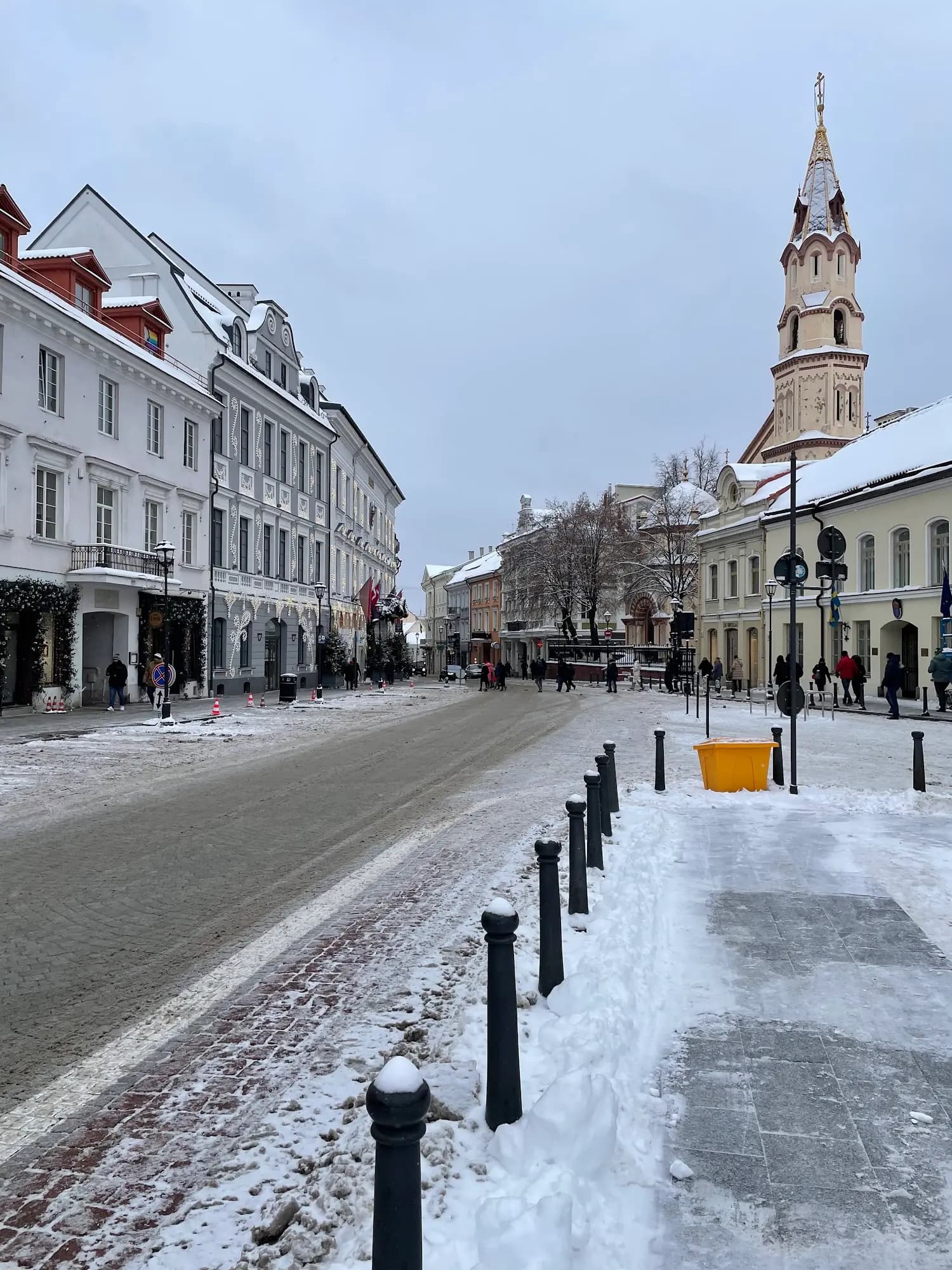
Vilnius Old Town
Cobbled streets, hidden courtyards and Baroque bell towers. Pilies Street brings together amber shops and cafés, with street artists.

Accessible tourism in Lithuania
Stone cities, castles on lakes and dunes facing the Baltic
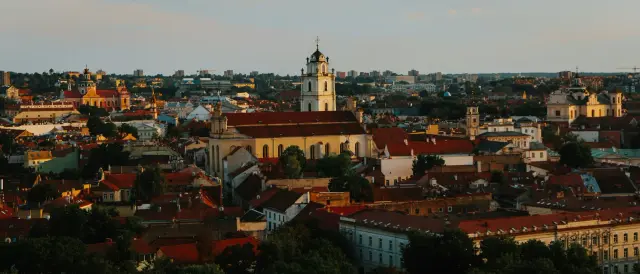
Lithuania is told slowly. In Vilnius, the old town has cobbled streets and Baroque towers rising above the rooftops. As evening falls, a terrace with cold beetroot soup, in a pink you do not forget.
Another day, Trakai Castle appears on an island, with the lake all around, and you reach it by a wooden bridge.
Kaunas keeps its old town beside two rivers and a pedestrian avenue for strolling without hurry. On the coast, the Nida dunes run down to the sea, and in Palanga the pier reaches out into the water until the sun sets.
Further north, the Hill of Crosses can be seen from afar: crosses planted one beside another on a mound.
Lithuania is a destination we have not yet toured with travellers. We look at its accessibility with you, plan by plan, to see what fits the way you get around.
Start with Vilnius on foot and without a timetable. Enter through the Gate of Dawn and carry on along Pilies Street, among amber shops and terraces. Climb Gediminas Hill to see the red rooftops from above.
Another day, cross to Užupis, the district that declared itself a republic of artists. Round off the afternoon with some cepelinai, the big potato dumplings that are the country's signature dish.
Head out to Trakai in the morning: the castle on the island, the lake and a stroll beside the water. If the day is kind, there are boats on the lake.
In Kaunas, walk through the old town to where the two rivers meet and stroll along Laisvės Avenue at sunset.
And on the coast, walk the Nida dunes with the sea on one side and the lagoon on the other, and end the day at the pier in Palanga. There, a whole museum is dedicated to amber, the stone of the Baltic.
Cobbled streets, hidden courtyards and Baroque bell towers. Pilies Street brings together amber shops and cafés, with street artists.
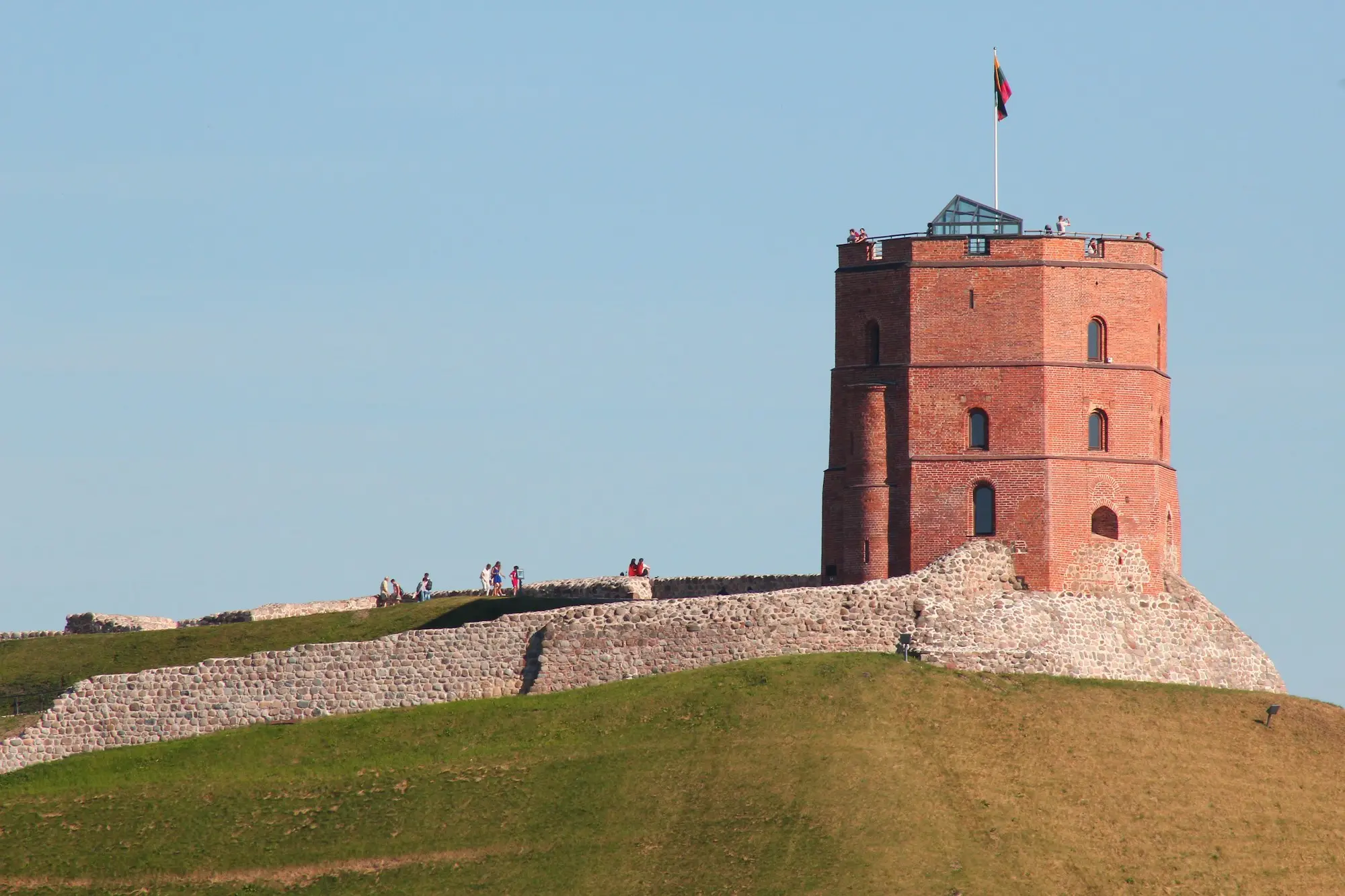
A hill above the old town, crowned by a brick tower. From the top you can see the red rooftops of Vilnius and the river.
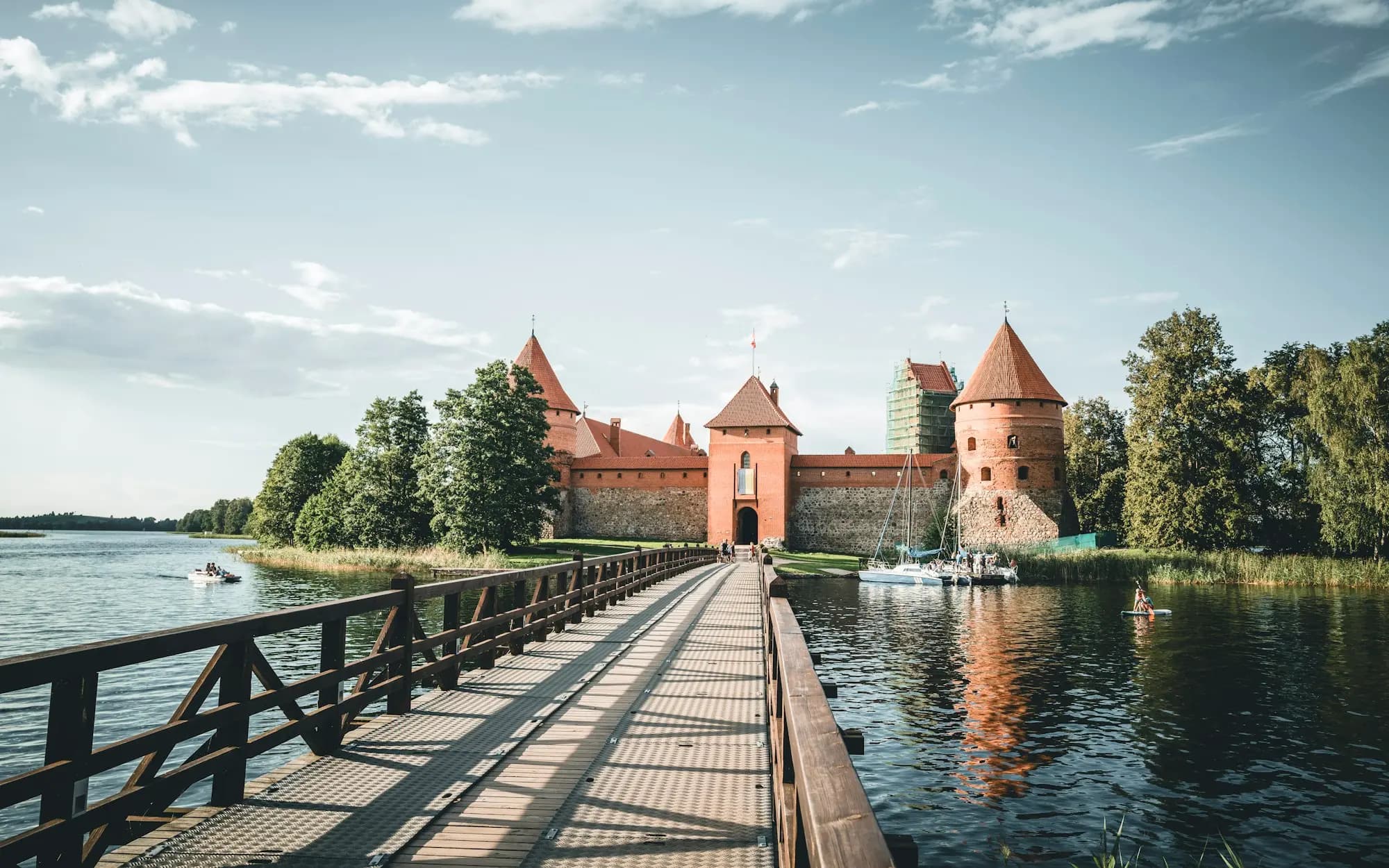
A Gothic castle of red brick built on an island, surrounded by a lake. You reach it by a wooden bridge.
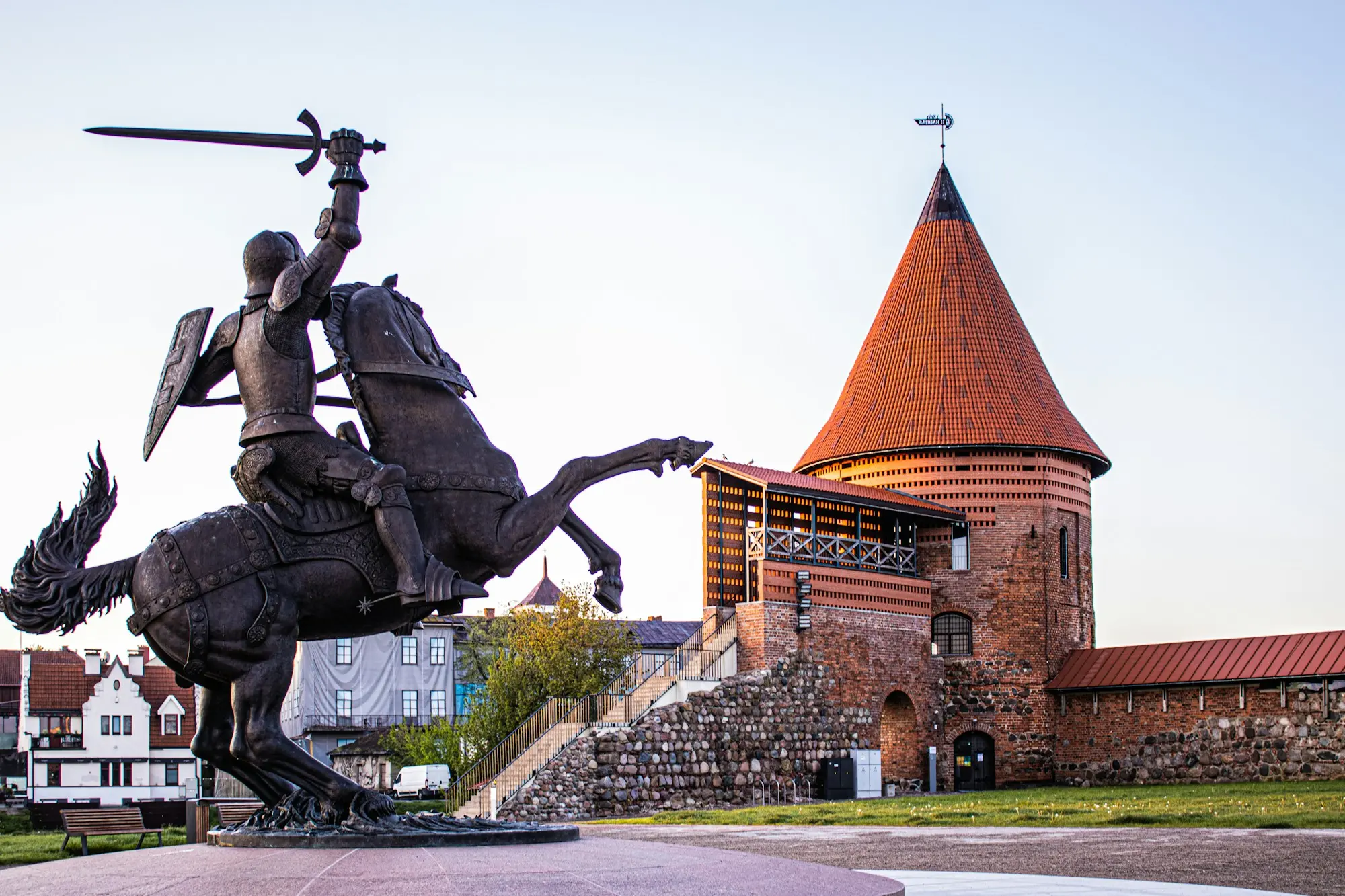
The old town beside the Nemunas and Neris rivers, and the long pedestrian avenue of Laisvės, with terraces and shops until sunset.
A mound covered in thousands of crosses of every size, which can be seen from the road and change in the light through the day.
Dunes of fine sand between the lagoon and the Baltic Sea, with a village of painted wooden houses and fish smokehouses.
A wooden pier reaching out into the Baltic and the amber museum, housed in a palace surrounded by gardens.
Cold beetroot soup, potato cepelinai stuffed with meat and black bread with garlic. The dishes of a country of countryside and lakes.
Cross the open square to the white cathedral with its neoclassical columns, with its detached bell tower beside it. Look for the miracle tile, where people make a wish and spin around on the spot.
Stroll through the half-timbered alleys of the port's old town. Look at the statue of Ännchen von Tharau in Theatre Square and take a ferry across to the spit.
Explore its arcaded courtyards and step into St John's Church, the university church, with its Baroque façade and its bell tower above the old town.
I'd like to plan my trip (opens in a new tab)
The Accessible Radar brings together what we know about the accessibility of each destination.
Lithuania looks its best from May to September, when the days are long and the sky is slow to darken. In autumn the forests turn golden and in winter snow falls on the rooftops of Vilnius.
It depends, and we tell you frankly: Lithuania is a destination we have not yet toured with travellers.
The old towns of Vilnius and Kaunas have cobbled streets and slopes that call for planning the route, and a castle on an island, like Trakai, calls for more preparation. We look at it with you, plan by plan, according to how you get around.
From May to September. The days are long, the weather is mild and you can enjoy the terraces, the lakes and the coast. In late June comes St John's Night, and in autumn the forests turn golden. Winter is cold, but Vilnius under snow has its charm.
What you will remember most fits into a route between Vilnius, Trakai, Kaunas and the Baltic coast.
In Vilnius, the old town and the Gate of Dawn. In Trakai, the castle on the lake. In Kaunas, its old town. And on the coast, the Nida dunes and the pier at Palanga.
The old town, the Gate of Dawn, Gediminas Hill, Cathedral Square and the Užupis district. In between there is room for a cold beetroot soup and an afternoon on a terrace on Pilies Street.
Yes. Trakai is a short distance from Vilnius and can be visited on a day trip. There you will find the castle on the island, the lake and a stroll beside the water. Tell us how you get around and we will see how to organise the day.
When you know you want to travel, start here. If you're still finding out more, keep exploring: this website is designed to answer your questions.
Noa, our virtual assistant, will look after you: she listens to you, asks you a few questions and books you a call with someone from our team. Who is Noa?