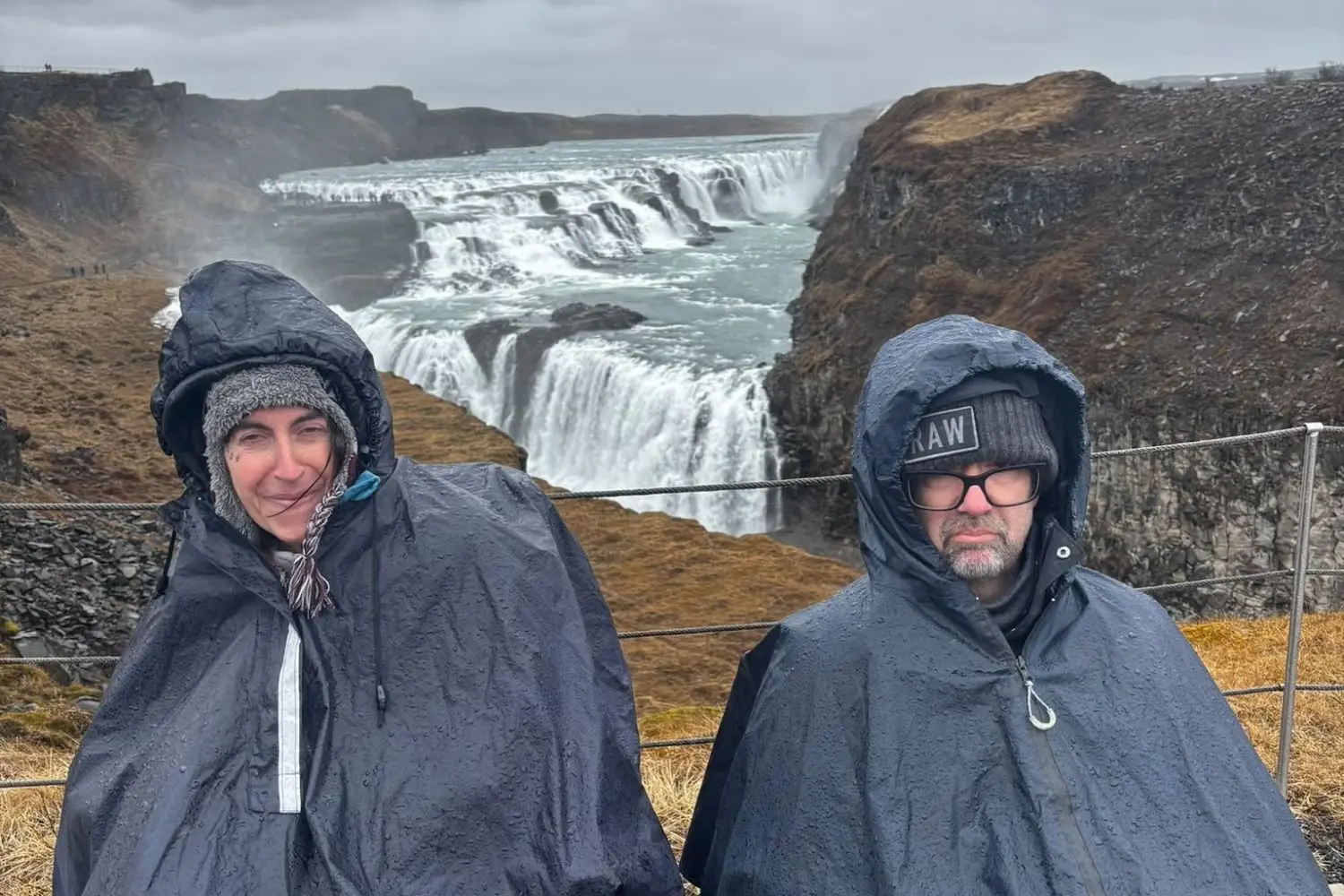
Classic Golden Circle route
Walk along the Þingvellir fault, watch the geysers of Geysir burst up and look out over the Gullfoss waterfall, on a day of volcanic landscape and water.

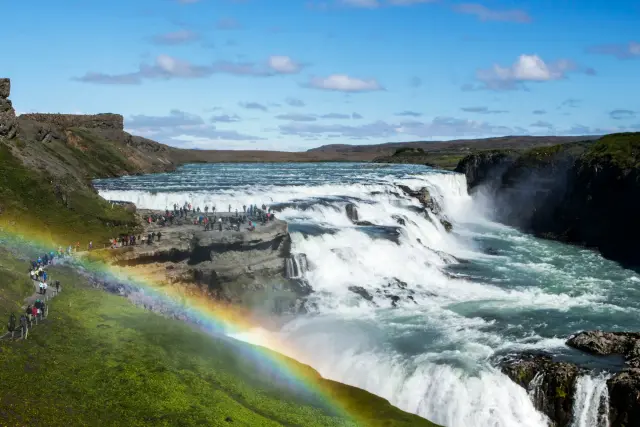
Accessible tourism in Iceland
Discover the glacial silence of an island bordering the ice
Only for those who love nature in its purest state.
The magic of Iceland lies in its closeness to the Arctic Circle, which makes it a land of extreme nature and fascinating northern lights. It is a destination where ice and fire meet: in its compact area there are glaciers, protected within several national parks, as well as volcanoes and lava fields.
Visit Reykjavik, the country's capital, with its concrete church, its street painted in the colours of the rainbow and the glass auditorium beside the harbour. And to see the ice up close, an amphibious boat takes you close to the icebergs of the Jökulsárlón glacier lagoon.
Start with the Golden Circle: walk along the Þingvellir fault, watch Strokkur shoot its column of water and steam every few minutes and get close to Gullfoss. To rest, a bath in the Blue Lagoon, surrounded by lava, or in Laugarvatn, among natural pools and saunas.
On the South Coast, Skógafoss and Seljalandsfoss plunge between cliffs. Reynisfjara has black sand and basalt columns, and Eldhraun is a lava field covered in moss. Continue to Jökulsárlón and sail among icebergs in an amphibious boat.
In Reykjavik, go up Perlan, visit the Saga Museum and head out to sea in search of whales. If you travel between autumn and winter, book a night of northern lights in the north, from Akureyri, far from the lights. And to finish, try hákarl, fermented shark, if you dare.
Walk along the Þingvellir fault, watch the geysers of Geysir burst up and look out over the Gullfoss waterfall, on a day of volcanic landscape and water.
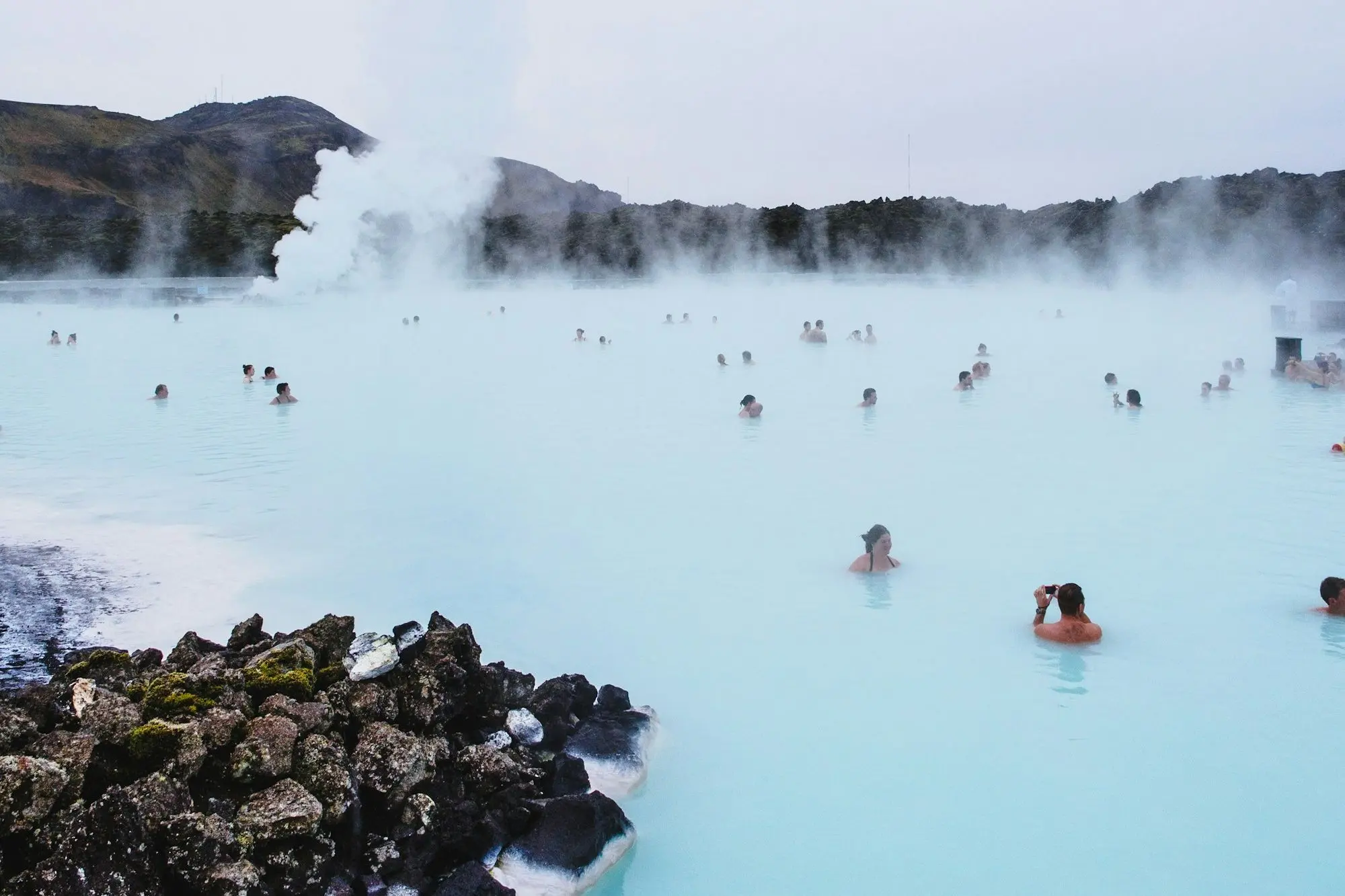
Bathe in the turquoise waters of the Blue Lagoon, surrounded by lava, and in Laugarvatn, on the lakeshore, among natural pools, saunas and steam baths.
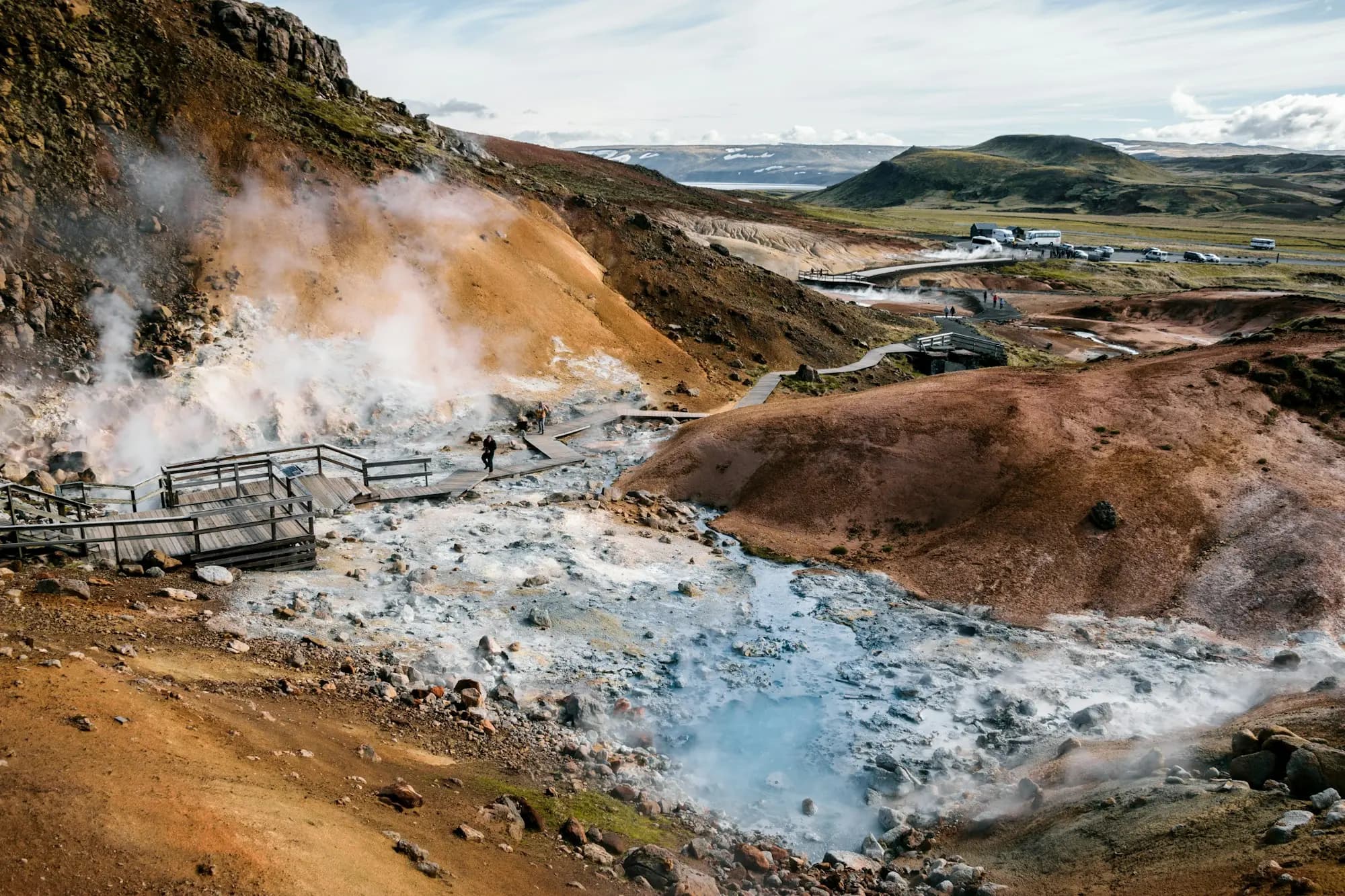
Walk through Seltún among fumaroles, bubbling mud pools and yellow, red and green ground. Then cross the bridge between continents to the Reykjanesviti lighthouse.
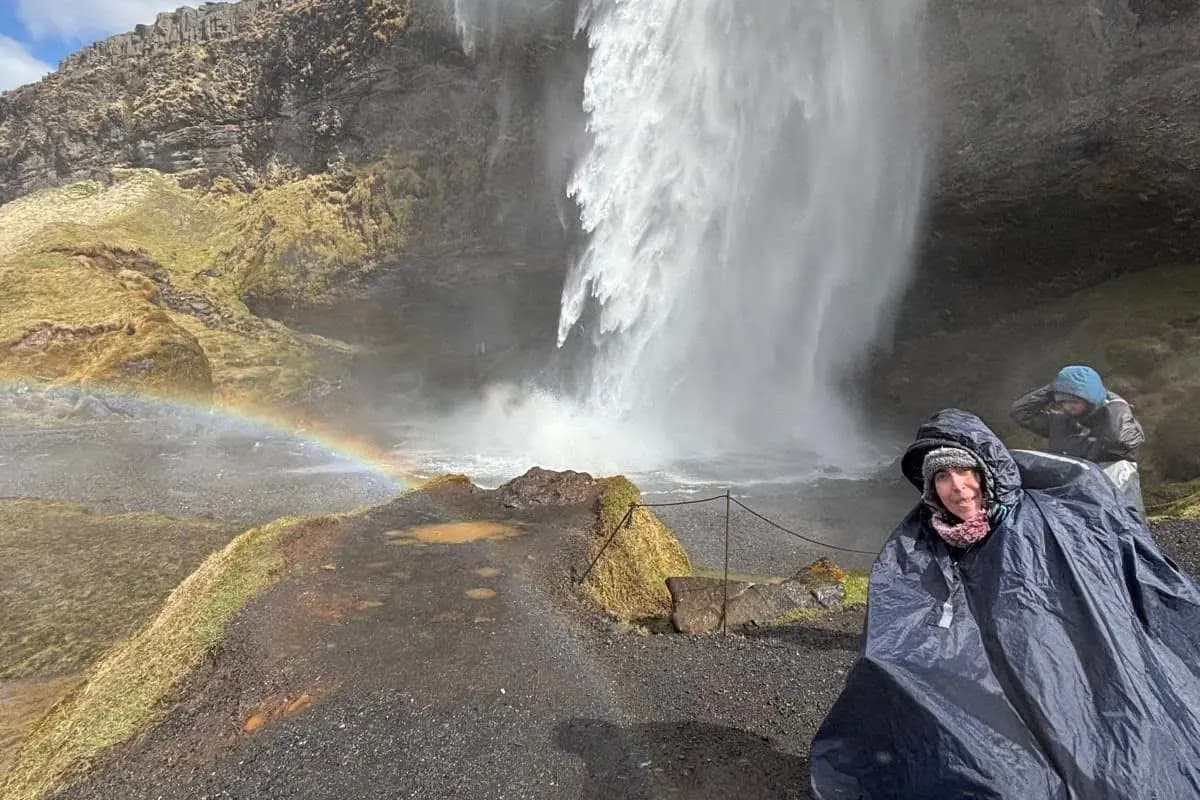
Watch Seljalandsfoss and Skógafoss plunge from the cliffs and stop at the Dyrhólaey headland, with wide views over the volcanic coast and the Atlantic.
Cross the Eldhraun lava field, covered in green moss and almost lunar in appearance. From a viewpoint, look at the Sólheimajökull glacier and the black sand of Reynisfjara.
Sail in an amphibious boat among drifting icebergs and finish at Diamond Beach, with gleaming blocks of ice on the black sand. Skaftafell, with a stop at the Svartifoss waterfall.
A concrete church, the glass dome of Perlan with its viewpoint over the city and the Saga Museum, where wax figures recreate the life of the first settlers.
Set sail into the waters of the North Atlantic from Reykjavik, Akureyri or Húsavík and look for whales in the wild, with the open sea and the coast behind you.
Head out at night, far from the lights of Akureyri, to look for the northern lights in autumn and winter. It depends on the sky and on luck.
Stop at Goðafoss, the waterfall of the gods, and explore the volcanic landscapes of Lake Mývatn, with the chance to round off the day in its hot springs.
Take in cliffs, lava fields and black beaches, with stops at the black church of Búðir and beneath Kirkjufell. North of Reykjavik, the Hraunfossar and Barnafoss waterfalls.
Try hákarl, fermented shark, in a museum dedicated to it, the lobster of Höfn and the tomatoes of a geothermal greenhouse, in soup, pasta or homemade bread.
Walk along Rainbow Street, the street painted in the colours of the rainbow, and step into Hallgrímskirkja, the church inspired by basalt lava. Look at the city from its tower and walk beside the sea, with Esja in the background.
Walk along the Þingvellir fault, between the North American and Eurasian plates. Watch the Strokkur geyser erupt every few minutes, take in the Gullfoss waterfall and look into the Kerið crater, with its blue-green lake.
Step onto the black sand of Reynisfjara, among cliffs and basalt formations. See Skógafoss from below and Seljalandsfoss from the front, look out over Dyrhólaey and discover the Lava Centre.
Cross lava fields, glaciers and black sand to the Jökulsárlón lagoon, where blocks of ice break away and float slowly. Sail among them in an amphibious boat and then see Diamond Beach, with the ice reaching the shore.
Look at the cliffs of Arnarstapi, photograph the black church of Búðir and step onto the black beach of Djúpalónssandur. Admire Kirkjufell, one of the most photographed mountains in the country, and dare to try the fermented shark.
Bathe in the Blue Lagoon, in the heart of a volcanic landscape, and walk through Seltún among mud pools and ground tinted yellow, red and green. Cross the Bridge Between Continents and reach the Reykjanesviti lighthouse, beside the sea.
I'd like to plan my trip (opens in a new tab)
The Accessible Radar brings together what we know about the accessibility of each destination.
In the Radar, the cities in Iceland we have the most information about are Reykjavik, Höfn, Akureyri and Vík.
Iceland changes its face with the seasons. From autumn to winter the sky fills with northern lights, and in summer the midnight sun arrives. May is when the island shakes off the winter, with a calmer atmosphere than in high summer.
It depends on the plan. Much of the best of Iceland is seen from a viewpoint or from the edge of the road: Skógafoss from below, Seljalandsfoss from the front, the Sólheimajökull glacier, Reykjavik and its seafront walk. The Skaftafell trails and the black sand beaches call for more preparation. Tell us how you get around and we will help you choose which plans fit.
It depends on what you are looking for. The northern lights can be seen in autumn and winter, and the midnight sun arrives in summer. May is when the island shakes off the winter and bursts into life, with a calmer atmosphere than in high summer.
In autumn and winter. You look for them at night, far from the city lights, for example on a trip from Akureyri, in the north. It is a natural spectacle that depends on the sky and on luck.
What you will remember most fits into a route through the Golden Circle, the South Coast and Jökulsárlón, with Reykjavik as the starting point. Add the Blue Lagoon and the volcanic landscapes of Reykjanes and, for those who want more, Snæfellsnes and the north, with Goðafoss and Lake Mývatn.
Yes. There are boat trips from Reykjavik into the waters of the North Atlantic and, in the north of the country, from Akureyri or Húsavík. They are seen in the wild, with the open sea and the coast behind.
When you know you want to travel, start here. If you're still finding out more, keep exploring: this website is designed to answer your questions.
Noa, our virtual assistant, will look after you: she listens to you, asks you a few questions and books you a call with someone from our team. Who is Noa?