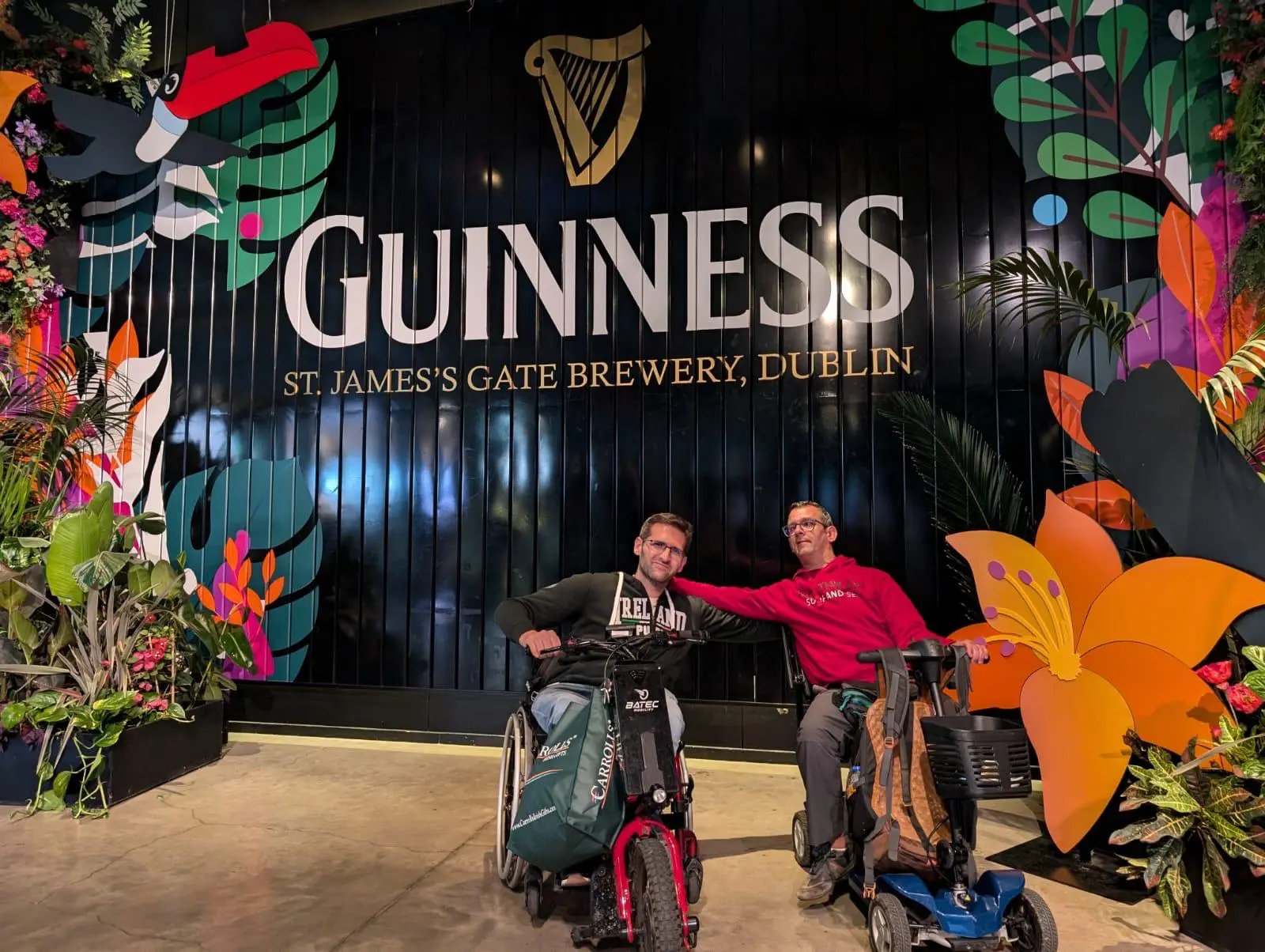
Guinness and Irish whiskey
Tour the factory-museum in Dublin to see how the stout is made and raise a glass with the city at your feet. Afterwards, a museum tells the story of Irish whiskey.

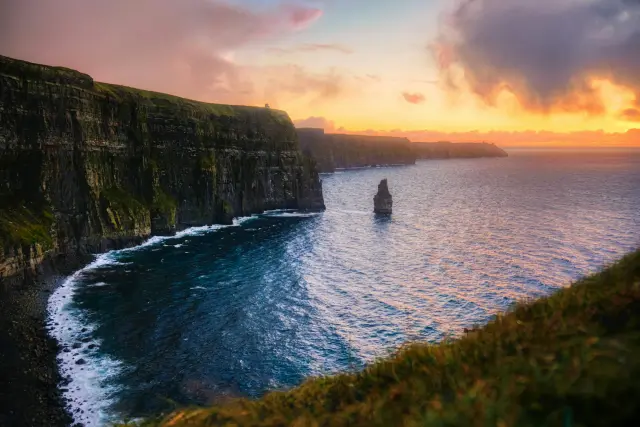
Accessible tourism in Ireland
Green meadows, pubs with music and cliffs above the Atlantic
Ireland is a destination of green meadows, traditional taverns, magnificent castles and a striking coastline.
Discover Dublin and all its charm. The Irish capital is ideal if you have only a few days to visit the country and want to make the most of them from start to finish.
Visit the Cliffs of Moher and, on the way, take in castles straight out of a film. The Burren and the Atlantic coast are explored in an adapted vehicle, with stops at viewpoints over the sea.
End your day with a pint in one of the typical pubs of Temple Bar, the Dublin district where the night comes alive. Stroll along its canals and let the streets of the centre guide you and surprise you with their twists and turns. Want to learn the secrets of the famous Guinness beer? Make Ireland your next destination!
Start Dublin in the morning at Trinity College, in front of the Book of Kells, and carry on to the castle and St Patrick's and Christ Church cathedrals. In the afternoon, Temple Bar beside the Liffey and, as night falls, a pub with live Irish music, one of those warm, lively evenings.
Are you a museum person? The Irish emigration museum, the whiskey museum or the Hugh Lane Gallery make for an unhurried while. Raise a glass at the Guinness Storehouse with the city at your feet and, another day, head out to Malahide Castle. If you prefer green, Phoenix Park has deer roaming free.
West, cross the Burren to the Cliffs of Moher, stopping in Doolin. In Connemara, take the scenic route to Clifden and Kylemore Abbey. And in Kilkenny, walk the Medieval Mile between the cathedral and the castle.
Tour the factory-museum in Dublin to see how the stout is made and raise a glass with the city at your feet. Afterwards, a museum tells the story of Irish whiskey.
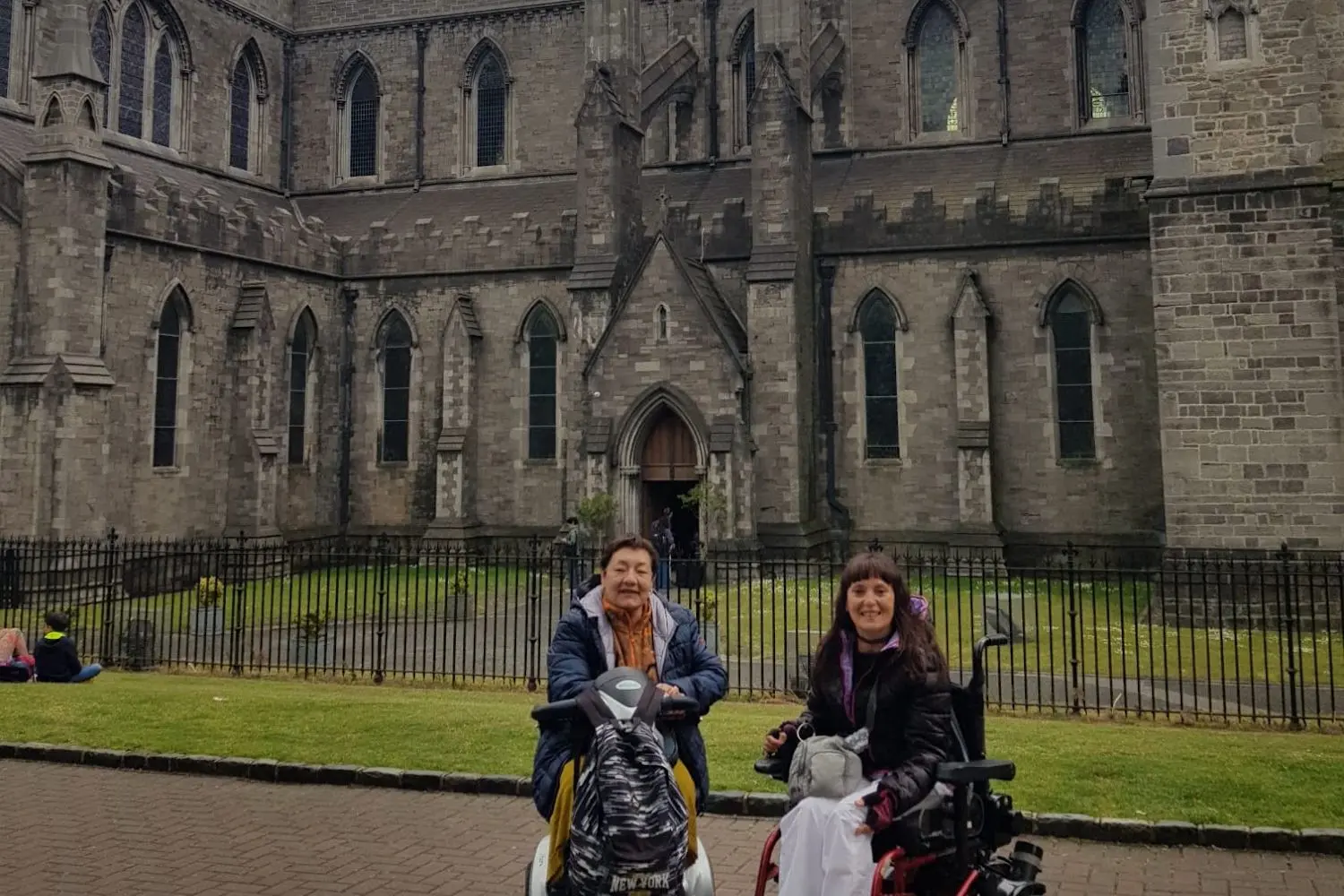
Step into the oldest university in Ireland and take a close look at the Book of Kells, a medieval illuminated manuscript.
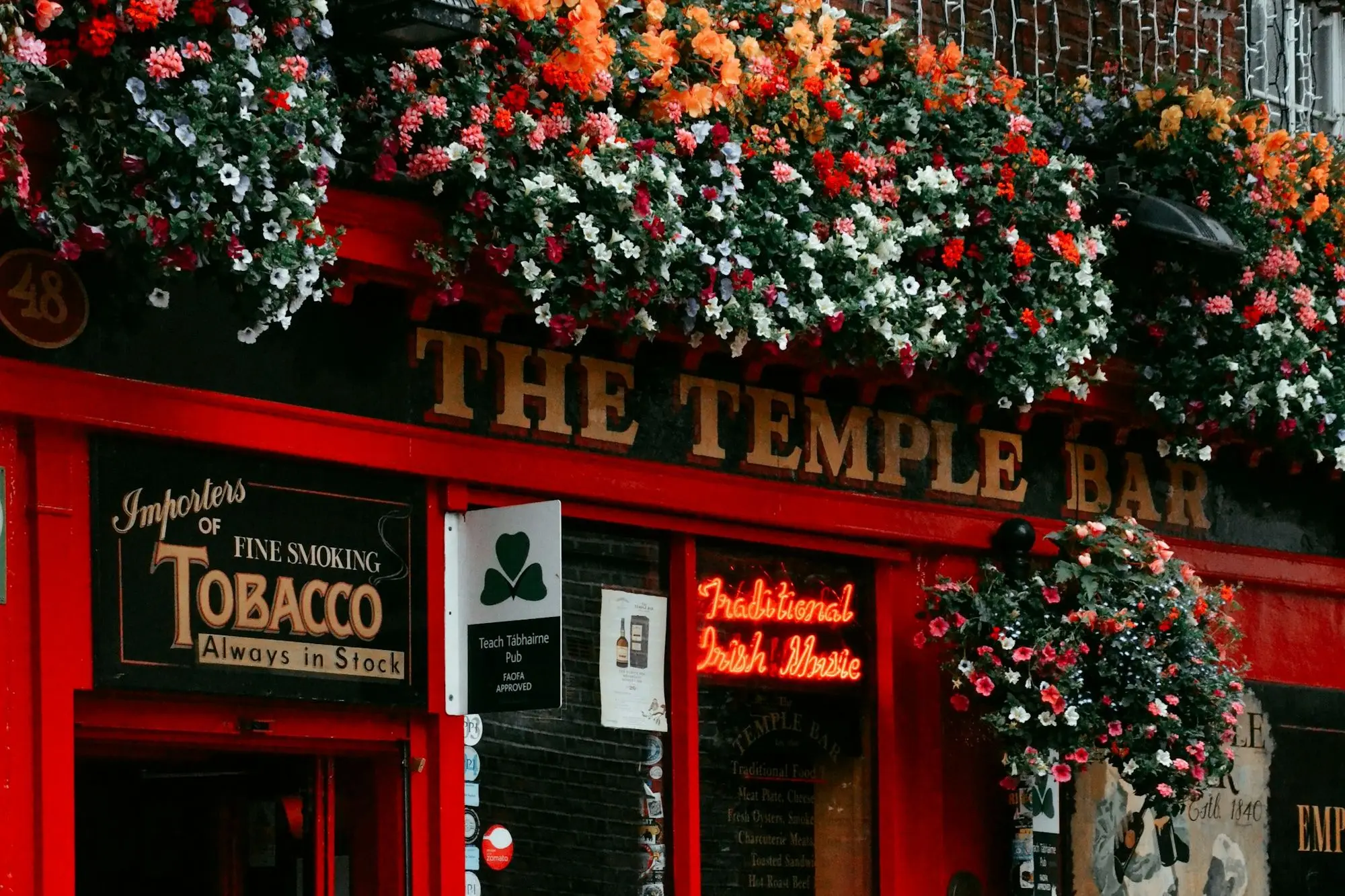
An evening in a Dublin pub with live Irish music, timeless tunes and a warm, lively atmosphere.
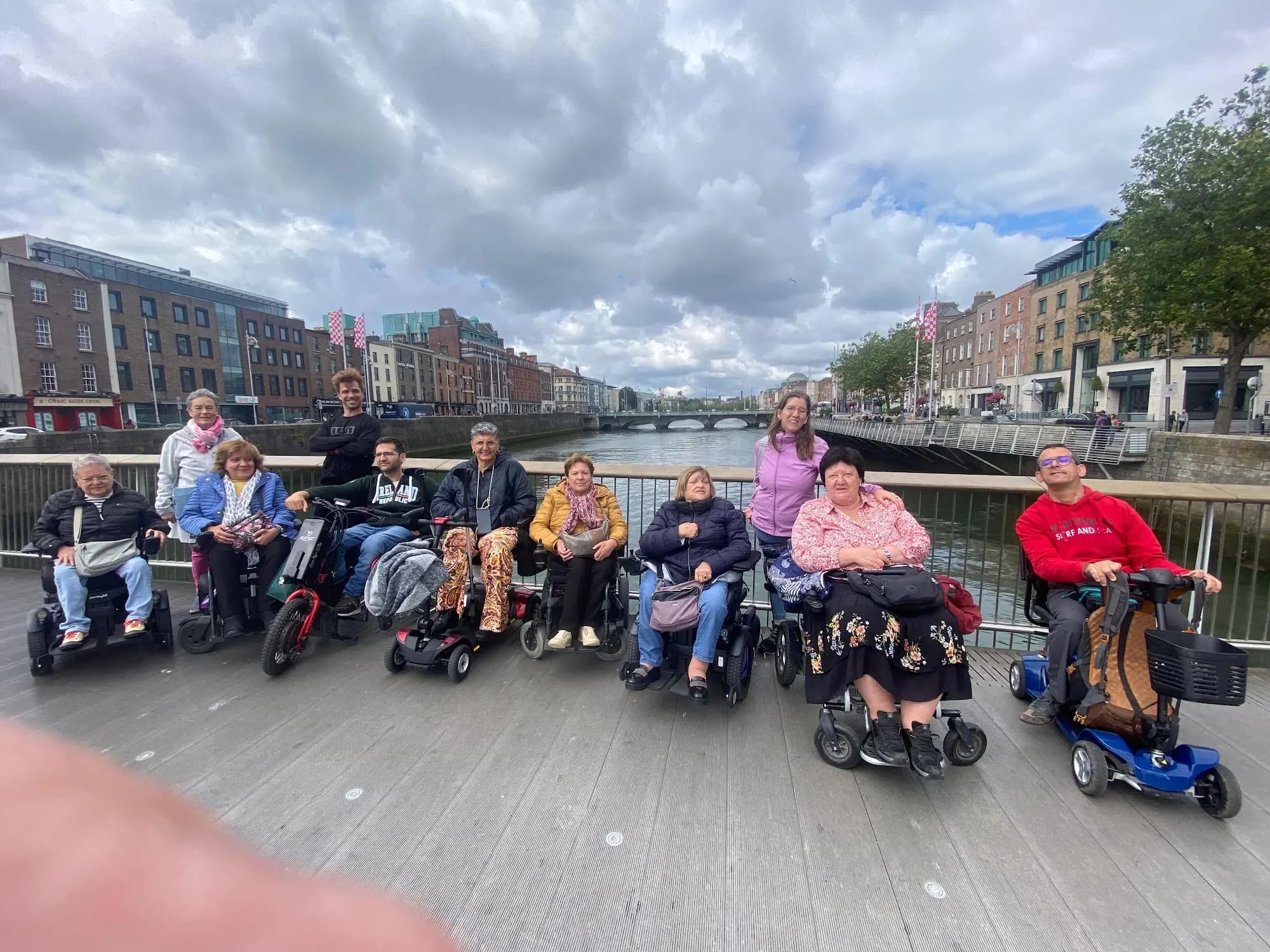
Stroll around the castle and St Patrick's and Christ Church cathedrals, and end the day in Temple Bar, beside the River Liffey.
Follow the stories of those who left Ireland in the emigration museum and slow down at the Hugh Lane Gallery, of modern and contemporary art.
Leave Dublin for a historic castle and explore its floors and rooms, which keep the atmosphere of other times, away from the bustle.
Walk between the cathedral and the castle along stone streets and façades with centuries of history.
Cross the rocky landscape of the Burren, stop at the viewpoints over the Atlantic coast, pause in Doolin and look out over the Cliffs of Moher.
Take the scenic route through the rugged landscapes of Connemara, stop in the village of Clifden and visit Kylemore Abbey.
Dublin is a city for walking. Cross the Ha'penny Bridge over the Liffey, step into Trinity College to see the Book of Kells and explore the castle and the cathedrals of Christ Church and St Patrick's. When night falls, Temple Bar.
Visit the Guinness factory, see how the beer is made and go up to its panoramic bar, with the city in front of you. Afterwards, live traditional music in the pubs of the centre and, if you have time left, the Irish whiskey museum.
Galway has street music and colourful façades. Walk along Shop Street and Quay Street, watch the sunset at the Spanish Arch, beside the River Corrib, and stroll along the Salthill promenade, with the bay and the Atlantic in front of you.
Follow the road through the Burren, with its limestone, stone walls and almost lunar landscape. Stop in Doolin or at the viewpoints on the coast and look out over the Cliffs of Moher, with the Atlantic below.
Cross mountains and lakes to Clifden, the capital of Connemara, and stroll along its main streets. Finish at Kylemore Abbey, with its image reflected in the lake.
Walk the Medieval Mile between St Canice's Cathedral and Kilkenny Castle. Rest in the castle gardens and take a few photos.
I'd like to plan my trip (opens in a new tab)
The Accessible Radar brings together what we know about the accessibility of each destination.
In the Radar, the cities in Ireland we have the most information about are Dublin, Cork, Galway and Kenmare.
Ireland is best enjoyed from May to September, when the days are long and there is light until late for another stroll or one last pint. It rains at any time of year, so travel with a waterproof jacket and a wish to see the greenest meadows. On 17 March, St Patrick fills Dublin with celebration.
Yes, although it depends on the plan. The easiest are the unhurried moments, such as a museum, a gallery or a scenic route in an adapted vehicle with stops at the viewpoints. What calls for more preparation are the cobbled streets of the historic cities.
Dublin has plenty to offer: Trinity College and the Book of Kells, the castle, the cathedrals and a night in Temple Bar with live music. If you have a day to spare, go to the Cliffs of Moher, crossing the rocky landscape of the Burren, with castles along the way.
From May to September, when the days are long and there is light until late. It rains at any time of year, so it is best to bring a waterproof jacket. If you like a celebration, on 17 March Dublin celebrates St Patrick's Day.
Galway, with its street music and colourful façades; the Cliffs of Moher, with the Burren on the way; and Connemara, with its mountains, lakes, the village of Clifden and Kylemore Abbey reflected in the lake.
Yes. It is a factory-museum in Dublin where you see how Irish stout is made, learn its history and end up in a panoramic bar with the city at your feet.
When you know you want to travel, start here. If you're still finding out more, keep exploring: this website is designed to answer your questions.
Noa, our virtual assistant, will look after you: she listens to you, asks you a few questions and books you a call with someone from our team. Who is Noa?