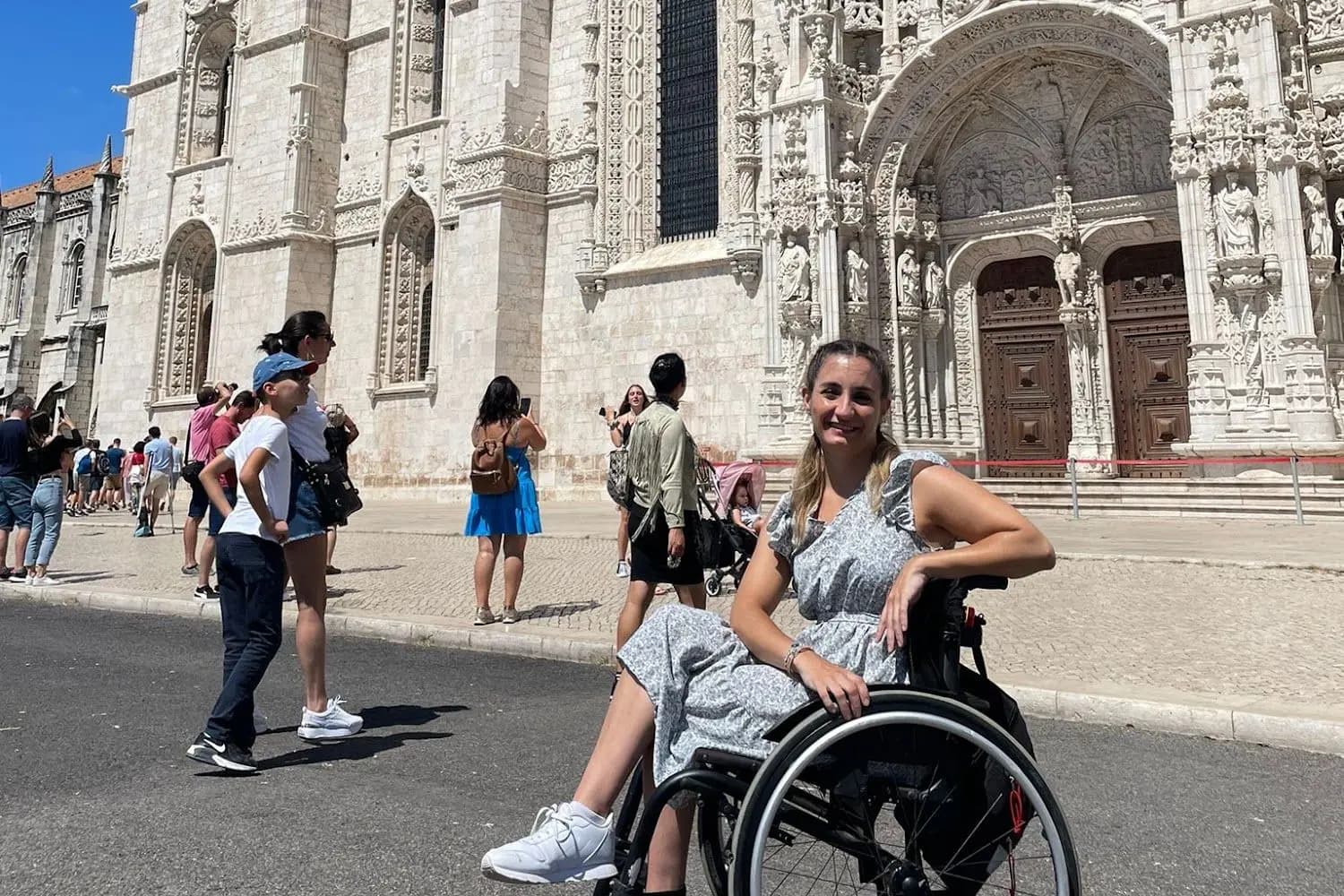
Belém: monuments, carriages and sweet treats
Walk around the historic district of Belém: the Jerónimos Monastery, Belém Tower and the Monument to the Discoveries, the museum's collection of carriages and a stop to try traditional sweet treats.

Accessible tourism in Portugal
Let the Atlantic Garden fill you with life
You have probably already heard of the “Atlantic Garden”: Portugal preserves a rural landscape in which green combines with great historic cities in a unique way. Located on the Atlantic coast of the Iberian Peninsula, this country offers unique landscapes, a pleasant climate, and beaches and cliffs whose shapes and contours will amaze you.
Try its iconic cuisine, with generous portions that feed the eyes, the body and the soul. Connecting with the kindness of its people becomes unavoidable; you will feel at home thanks to their warmth and affectionate manner, wherever you go.
Stroll through Lisbon and Porto, the two most important cities in the country, connected by a road dotted with beautiful villages. In Lisbon, a sightseeing bus runs through Baixa, Chiado and Rossio; in Porto, the old town of alleys, stairs and cobblestones calls for planning the route, and a boat trip along the Douro shows the Ribeira from the water.
Last of all, don't miss the picturesque villages, the rugged beaches and the mountains of the island of Madeira, with its viewpoints, its botanical garden and its cable car in Funchal.
Portugal will fill you with life in every corner! What are you waiting for to start planning your visit?
Start in Lisbon with a pastel de nata on a terrace and continue to Belém: the Jerónimos Monastery, Belém Tower and the traditional sweet treats. Another day, a sightseeing bus takes you around Baixa, Chiado and Rossio, and in the evening, live fado. Would you rather dine from market to market? Cais do Sodré and the Ribeira were made for that.
Continue to Porto to go down to the Ribeira, cross the Dom Luís I Bridge and taste Port wine in the cellars of Gaia. Look at the Douro from a boat, look for the azulejos of São Bento and, if you have the afternoon left, have seafood for lunch facing the Atlantic in Matosinhos.
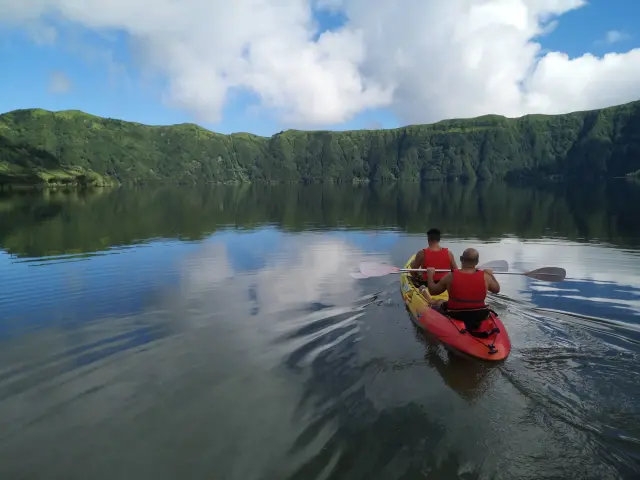
There is more: Aveiro by moliceiro, the palaces of Sintra and Cascais. And Madeira, with its cable car, its viewpoints and its wine. If the trip calls for islands, São Miguel has lagoons inside a crater, kayaking, hot springs and tea. A single trip falls short.
Walk around the historic district of Belém: the Jerónimos Monastery, Belém Tower and the Monument to the Discoveries, the museum's collection of carriages and a stop to try traditional sweet treats.
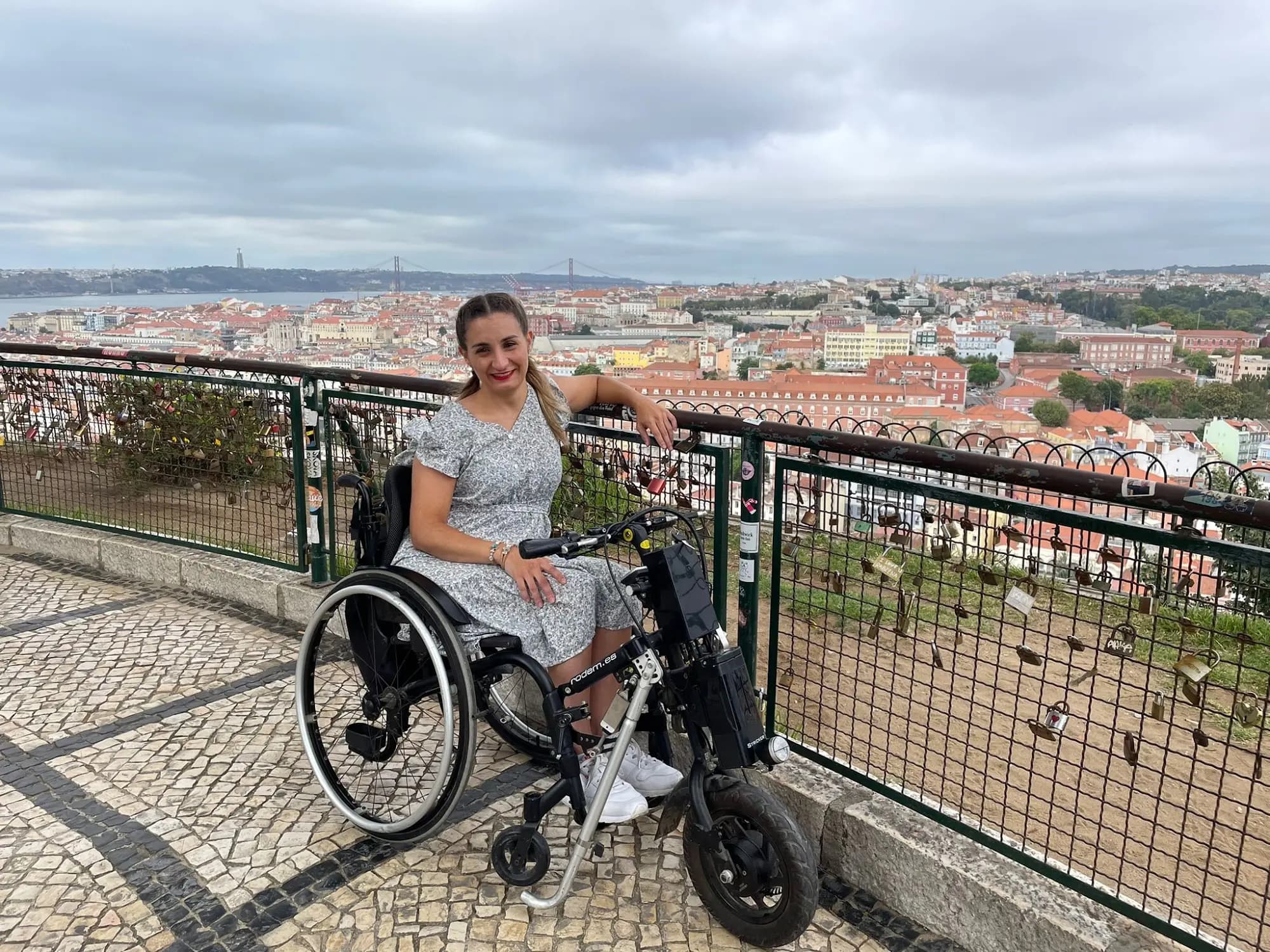
Tour Baixa, Chiado and Rossio on a sightseeing bus, go up the Santa Justa Lift and see the city from St George's Castle.

Try typical products among the squares of the Baixa and dine among lively stalls in the markets of Cais do Sodré and the Ribeira, with Portuguese dishes, tinned foods and wines.
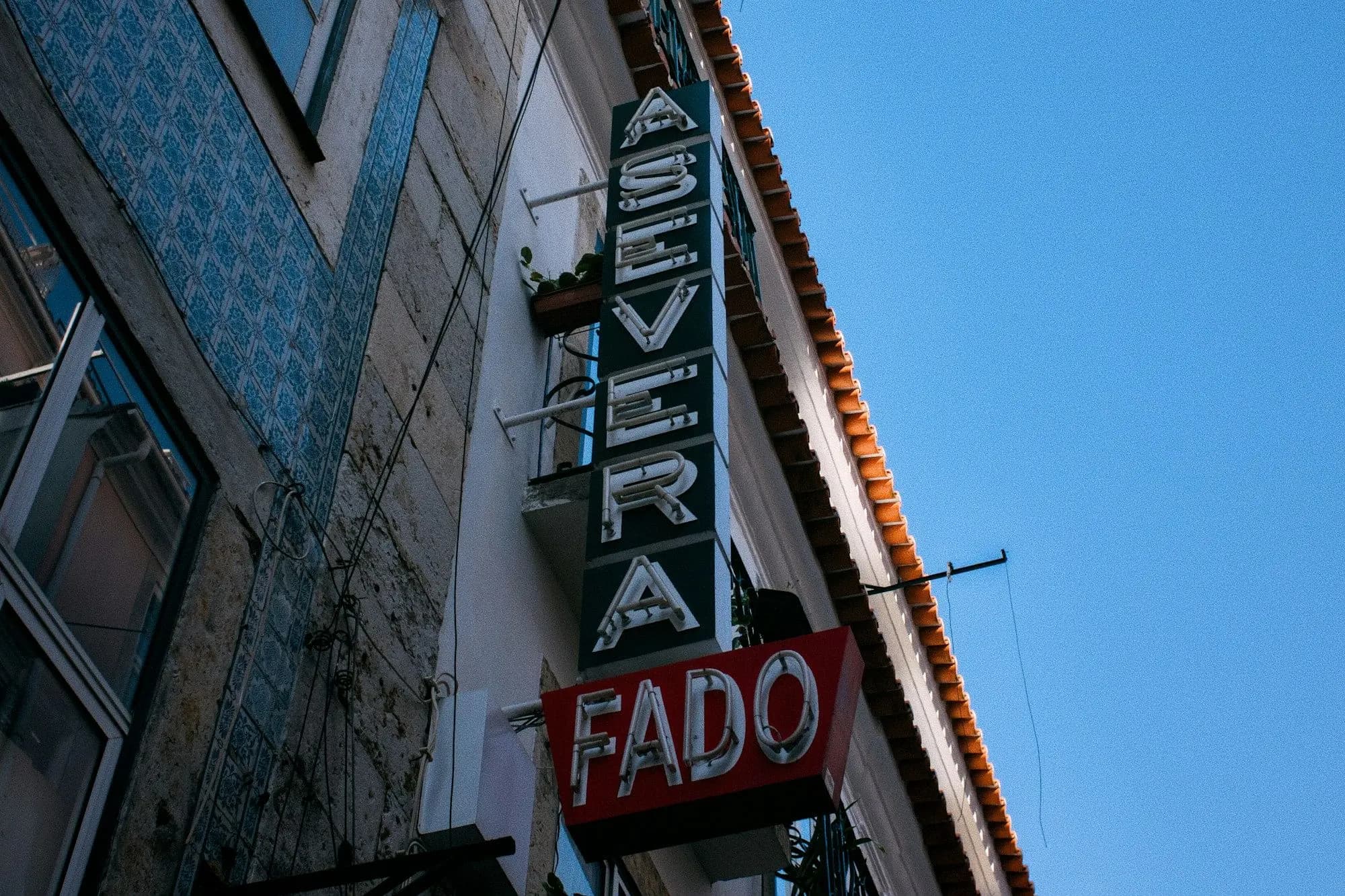
Listen to live fado during an evening in Porto and revisit Portugal's past in the Fado Museum, the Maritime Museum and the Lisboa Story Centre.
Go down through the old town to the Ribeira, cross the Dom Luís I Bridge to the Jardim do Morro and look at the façades from a boat on the Douro.
Taste Port wine in the cellars of Gaia, with local tapas, and walk around the Bolhão Market among stalls of fresh produce and tinned foods.
See the azulejo panels of São Bento, step into the Lello Bookshop, walk through the Serralves gardens and discover the Casa da Música.
Sail by moliceiro along the canals of Aveiro, have fresh seafood for lunch and end the afternoon in Costa Nova, among little houses with coloured stripes and its seafront promenade.
Go up to Pena Palace and stroll through its park, look out over the cliffs of Cabo da Roca and close the day with the beach and promenade in Cascais.
Stroll among plants and flowers and ride the Funchal cable car, visit viewpoints and green villages in the north and taste Madeira wine.
Look out over the crater of Sete Cidades and its two lagoons of different colours, paddle a kayak on the volcano lake and set out by boat to look for cetaceans.
Walk around Furnas among fumaroles, streams of hot water and mud geysers, take a thermal bath at Caldeira Velha and try the tea from its plantation.
Visit a plantation in São Miguel to see how the Azores pineapple is grown and taste it right there, where it grows.
Stop in Câmara de Lobos, a fishing village on the south coast of Madeira, and taste poncha, the island's typical drink.
Tour an old sugar and rum factory in Porto da Cruz and finish with a tasting of traditional flavours of Madeira.
Stroll beside the Tagus at sunset, with the city's hills in front of you. Step into the Jerónimos Monastery, look at Belém Tower and go up the Santa Justa Lift. Finish with a pastel de nata on a terrace or dinner at the Ribeira market.
Go down alleys and stairs to the Ribeira, where medieval architecture meets the Douro. Look at the azulejos of São Bento station and eat grilled cod beside the river. Cross the Dom Luís I Bridge and taste Port wine in the cellars of Gaia.
See the two-coloured lagoons of Sete Cidades inside the crater and paddle a kayak on one of the volcano's lakes. Go down to Furnas, where cozido is cooked with volcanic steam. Explore Terra Nostra Park and the Caldeiras, and drop by the tea and pineapple plantations.
Visit the island's viewpoints, with the coast and the mountains in front of you. In Funchal, walk through the botanical garden and ride the cable car. Taste Madeira wine and follow the route through Porto Moniz and São Vicente.
Sail by moliceiro, the typical boat, along the canals of the “Portuguese Venice”. Stroll through the old town and have fresh seafood for lunch. In the afternoon, head to Costa Nova, with its little coloured houses and its seafront promenade.
Tour palaces among gardens and forests, such as Pena Palace, and wander through the gardens of Queluz Palace. Look out over the cliffs of Cabo da Roca, the westernmost point of mainland Europe, and finish on the beach at Cascais.
I'd like to plan my trip (opens in a new tab)
The Accessible Radar brings together what we know about the accessibility of each destination.
Portugal can be visited all year round, but spring and autumn are the best times. From April to June and from September to November there are fewer crowds and the climate is milder. That's when Lisbon and Porto are best explored on foot, with their hills and their stairs. If beaches are your thing, summer is the best time, especially in the Algarve.
Yes, although it depends on the place. Lisbon, with its hills, and the old town of Porto, with its stairs and cobbled streets, call for planning the route. There are calmer activities, such as a sightseeing bus through the centre of Lisbon or a boat trip along the Douro.
It depends on the district and the plan. Porto has alleys and unexpected stairs, and calls for planning the way. There are calmer options: seeing the Ribeira from a boat on the Douro, tasting Port wine in the cellars of Gaia or exploring the Bolhão Market. Tell us how you get around and we will plan the day to suit you.
What people remember most fits into a route through Lisbon, Porto and their surroundings. In Lisbon, Belém, the Santa Justa Lift and the markets. In Porto, the Ribeira, the Dom Luís I Bridge and the cellars of Gaia. Add Sintra, Aveiro, Cascais and, if you want islands, Madeira or the Azores.
Visit its viewpoints, walk through the botanical garden of Funchal and ride its cable car. You can taste Madeira wine and get to know the green, rugged villages of the north and east. Towards the west, an excursion along the coast, with caves and museums as possible stops.
Yes. We design tailor-made trips, so you can link Lisbon and Porto with other cities of the peninsula, or add an island, Madeira or the Azores. Tell us what you want to see and how you get around, and we will put the route together.
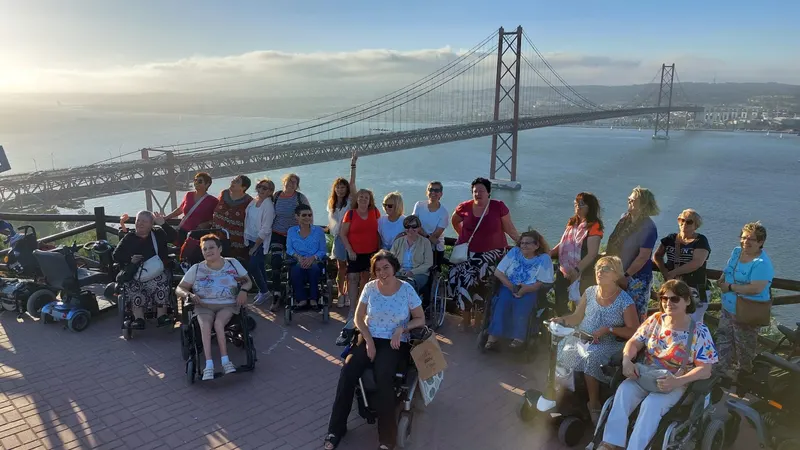 The essential guide if you want to travel to Lisbon in a wheelchairDestinations · 9 min read
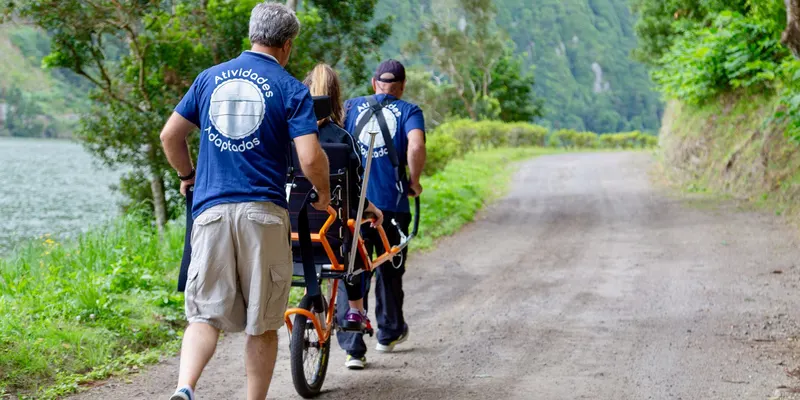 The Azores in a wheelchair: how to travel to the island of São MiguelDestinations · 7 min read
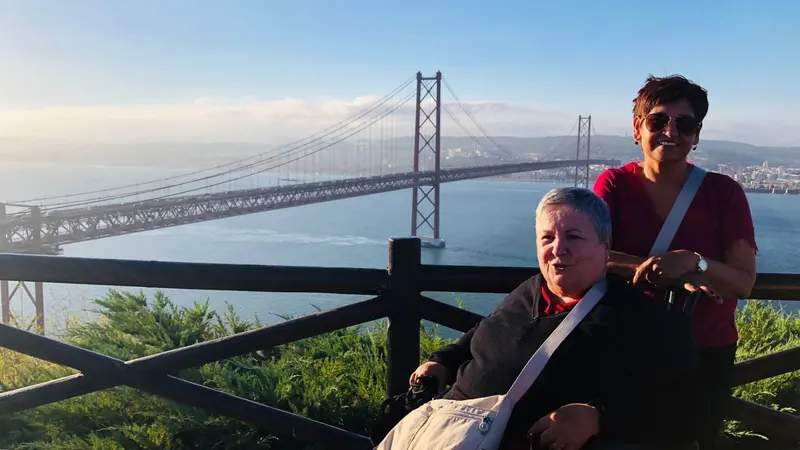 What to see in Portugal in a wheelchair: food, culture and landscapesDestinations · 6 min read
 Where to travel for the December bank holiday break in a wheelchair: 5 brilliant accessible plansExperiences · 6 min read
When you know you want to travel, start here. If you're still finding out more, keep exploring: this website is designed to answer your questions.
Noa, our virtual assistant, will look after you: she listens to you, asks you a few questions and books you a call with someone from our team. Who is Noa?