Medieval Kraków: Wawel and the square
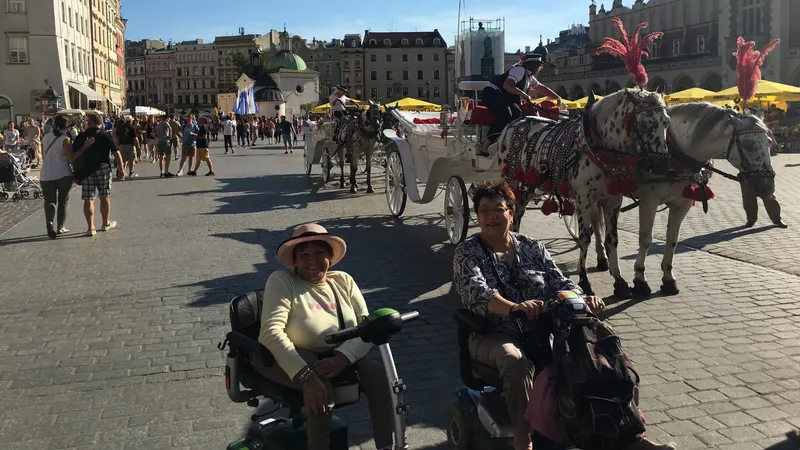
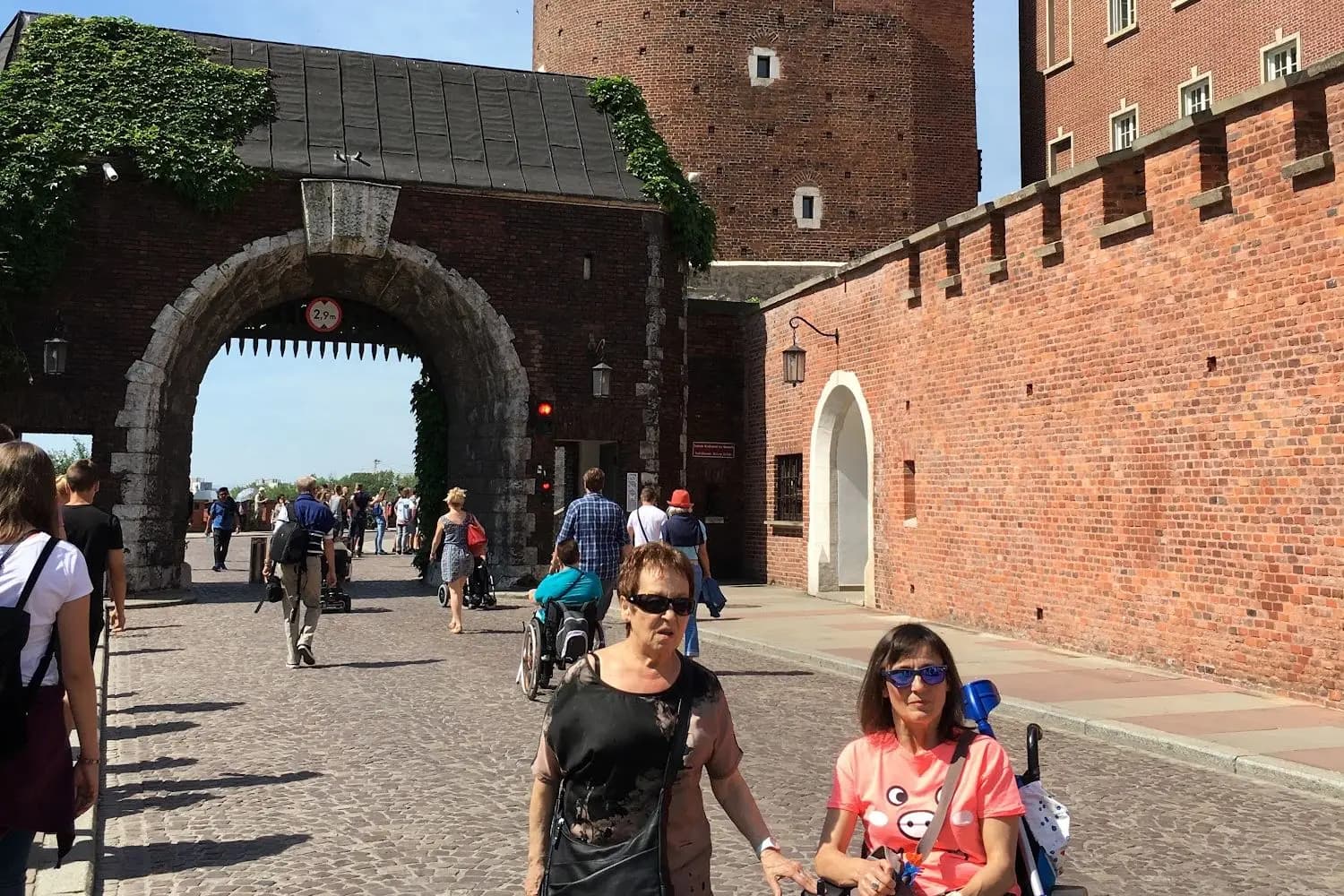
Cross Kraków's great medieval square, climb the hill of the royal castle and rest in Planty Park, the green belt that surrounds the Old Town.

Accessible tourism in Poland
Mountains, lakes and a history to explore with awareness
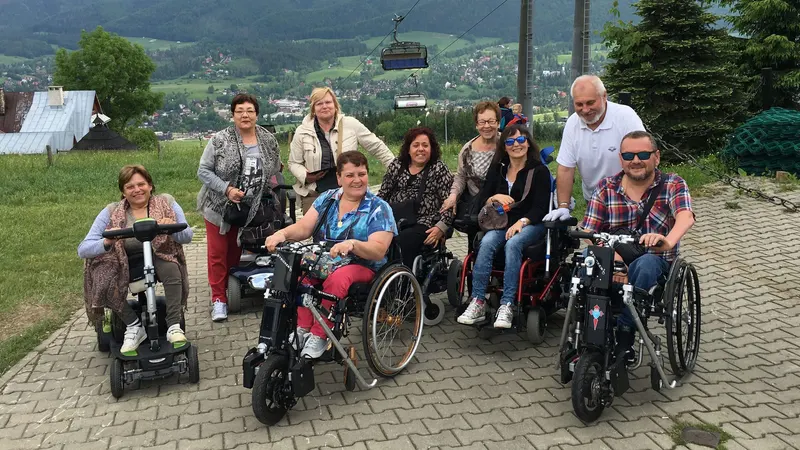
Poland is an invitation to stroll and enjoy yourself among mountains, lakes and forests, but also to revisit the history of the Second World War with awareness.
With monuments and places that were central during the conflict and are now part of its territory and its tourist offer, this country is a more than interesting destination. You will be able to visit Auschwitz, the former concentration camp of the Nazi period, on a tour booked specially for the purpose, since this place is not easy to reach by public transport.
Travel between cities by train, in an adapted carriage. We will take care of booking the assistance for boarding and getting off, which is often difficult to arrange because of availability.
Get to know Kraków, with accessible accommodation for wheelchair users and people with reduced mobility. You will be able to roll calmly around its great medieval square and through Planty Park, and visit the different historic monuments the destination has to offer.
In Warsaw, the Royal Route links the Old Town with Łazienki Park. The country's capital was almost completely destroyed during the Second World War, so its historic centre had to be rebuilt and is well worth a visit.
Let's make your next accessible adventure take place in Poland!
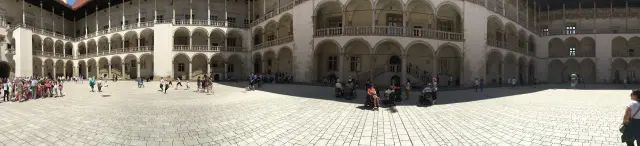
Start with Kraków, with its great medieval square and the climb up Wawel Hill, where the royal castle stands. In between, stop at St Mary's Basilica and the Cloth Hall, and go down to the underground museum hidden beneath the square.
Take a breather in Planty Park, the green belt of the Old Town, and sail along the Vistula for a few hours to see the city from the water.
If you travel in winter, the Christmas markets fill the Old Town with stalls and lights.
Another day, the Kazimierz district, with its synagogues, ends at Schindler's factory, now a museum. Go down into the Wieliczka salt mines, with chapels and sculptures carved by the miners, and spend a day at Auschwitz-Birkenau, with a guide, to stop and reflect.
Then, Warsaw: the Royal Route, from the rebuilt streets of the Old Town to the Łazienki gardens. And for a change of scene, a cable car in Zakopane with the Tatras in front of you and, in Wrocław, a walk in search of dwarfs. How many can you find?
Cross Kraków's great medieval square, climb the hill of the royal castle and rest in Planty Park, the green belt that surrounds the Old Town.
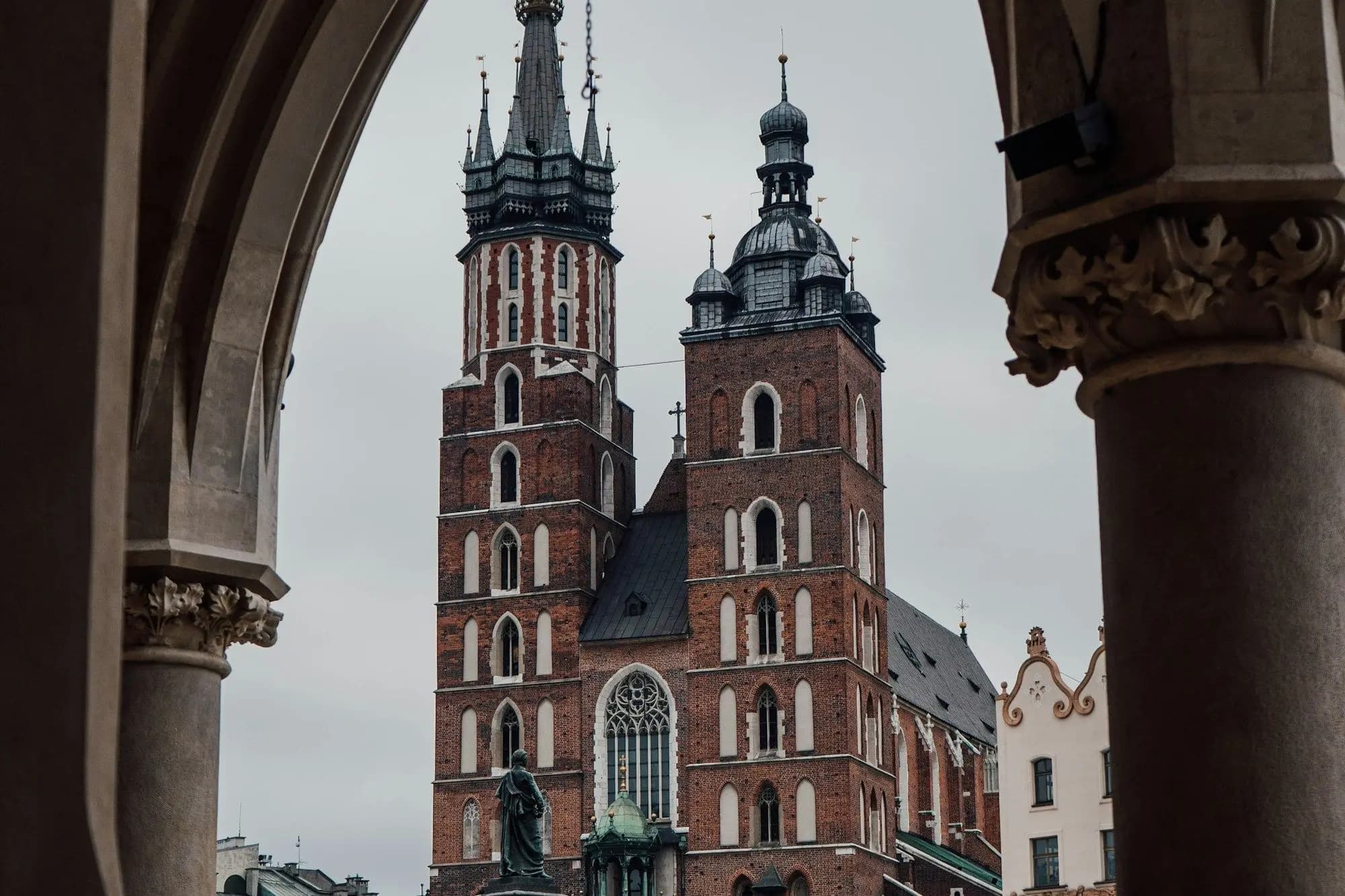
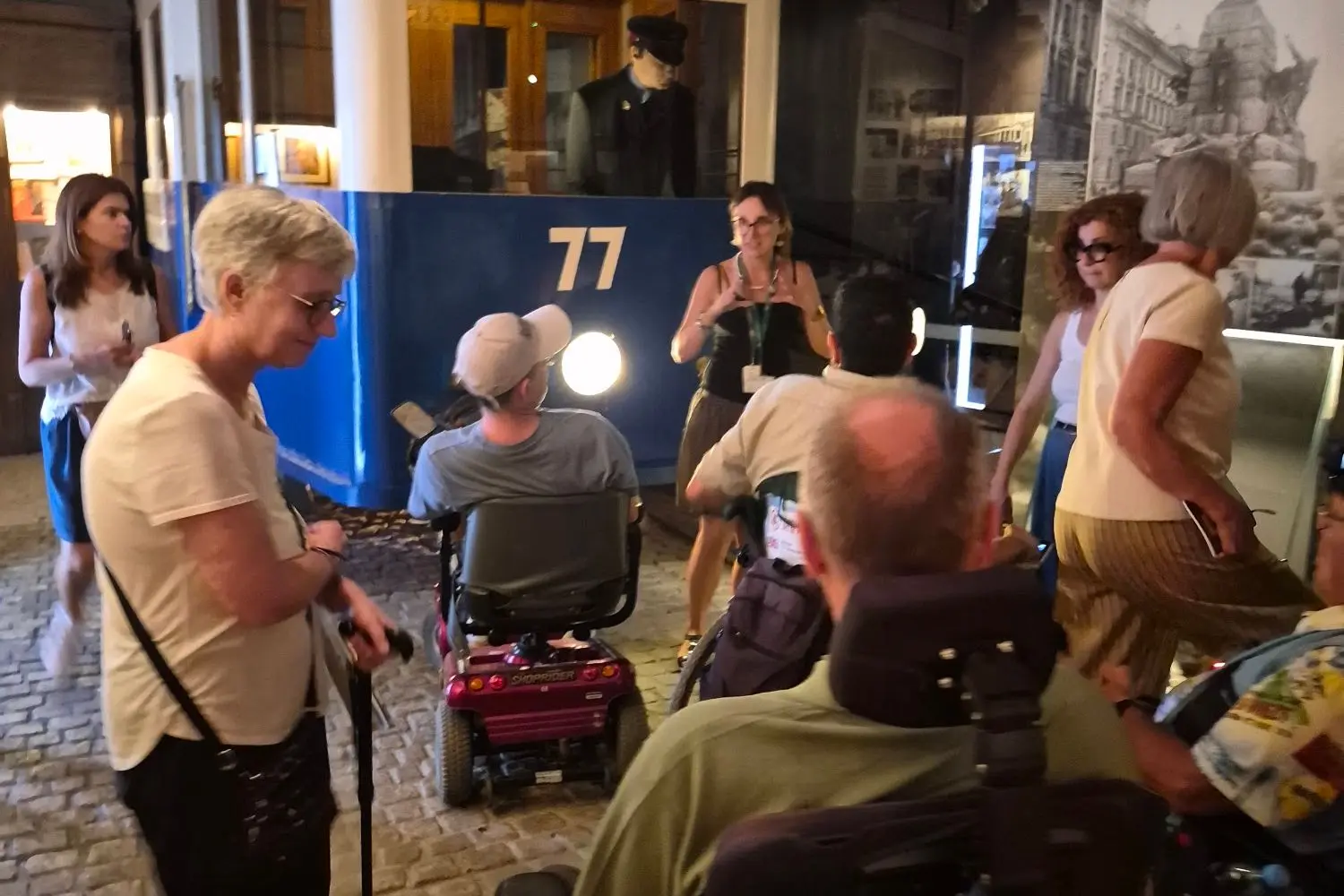
See the Gothic St Mary's Basilica and the Cloth Hall, and go down to the interactive museum under the square that looks back over medieval Kraków.
Walk through the old Jewish quarter among synagogues and streets full of history, and continue to the former factory, now a museum about the city during the occupation.
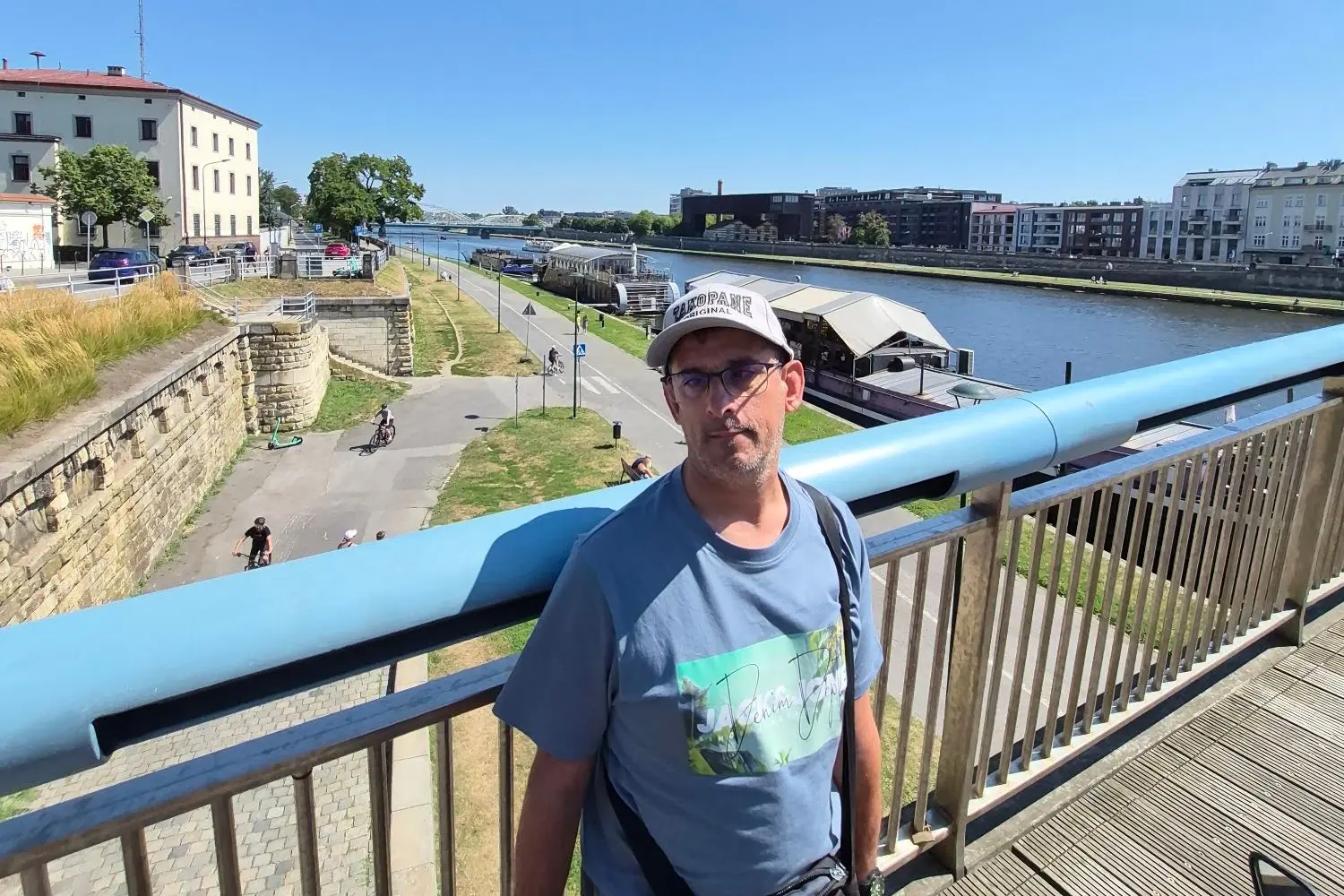
Sail along the Vistula for a few hours and see Kraków from the water, with its most monumental bank seen from another perspective.
In winter, the Old Town fills with stalls and lights. Stroll among the Christmas markets in the heart of the festive season.
Go down into a salt mine with centuries of history and walk through its galleries, with chapels and sculptures carved by the miners.
Take a guided tour of the memorial and museum of the former camps, in Oświęcim, and stop to reflect on the Holocaust.
Follow the Royal Route from the Old Town, with its rebuilt historic streets, to the peaceful gardens of Łazienki Park.
Take the cable car in Zakopane to see the Tatras from above, and come down to stroll along its lively main street.
Walk through the centre of Wrocław in search of its little dwarf statuettes, a game that turns the stroll into a plan for all ages.
Former capital of the Kingdom of Poland. Walk through the Main Market Square, climb Wawel Hill and stroll along cobbled streets to St Mary's Basilica. As evening falls, sail along the illuminated Vistula and see the city from the water.
The old Jewish quarter of Kraków. Stroll among synagogues, walk along Szeroka and Józefa streets and have a coffee in one of its traditional cafés. Then go into the museum at Oskar Schindler's Factory, which tells what life was like in the city during the Nazi occupation.
Go down into a World Heritage mine. Walk through huge galleries dug out of salt, look at the underground lakes, enter the Chapel of St Kinga, carved entirely in salt, and look for the Dwarfs' Cave.
A visit of remembrance, respect and reflection. Walk through the memorial's outdoor exhibitions to learn how the camp worked and how the victims lived, and pay tribute to those who suffered there.
Almost completely destroyed in the Second World War and rebuilt afterwards. Stroll through the World Heritage Old Town, look at its colourful streets, follow the Royal Route and finish among the gardens and lakes of Łazienki.
After the intensity of remembrance, a breather among the mountains. Ride the Gubałówka funicular, look out over the Tatra Mountains and try Oscypek, the smoked cheese.
I'd like to plan my trip (opens in a new tab)
The Accessible Radar brings together what we know about the accessibility of each destination.
In the Radar, the cities in Poland we have the most information about are Kraków, Warsaw, Wrocław and Gdansk.
Poland is best enjoyed from May, when the weather turns milder. July and August bring plenty of heat, concerts and outdoor events. From the end of September it cools down and winter is cold, with Christmas markets in Kraków's Old Town.
Yes, with differences from one place to another. Between cities you travel by train, in an adapted carriage, with assistance for boarding and getting off booked in advance. Kraków can be explored at a calm pace around its great square and Planty Park. What calls for more preparation is Auschwitz, which is visited on a booked tour because it is hard to reach by public transport.
What people remember most fits into a route through Kraków, Warsaw and Zakopane. In Kraków, the Main Market Square, Wawel Hill, the Kazimierz district and the Wieliczka salt mines. In Warsaw, the Royal Route and Łazienki. And in Zakopane, the Tatras from the cable car. For a day of remembrance, Auschwitz-Birkenau.
From May, when the weather is milder. July and August are the season for concerts and outdoor events, with plenty of heat. From the end of September the temperature drops and winter is cold, although Kraków fills with Christmas markets.
With a booked guided tour, because getting there by public transport is not easy. It is a day of remembrance at the memorial and museum of the former camps, in Oświęcim. There you get to know one of the hardest episodes of the 20th century up close and have time to stop and reflect.
Yes. We design it from scratch around what you want to experience, from a day of remembrance at Auschwitz to an afternoon on the cable car in Zakopane. You can combine Kraków, Warsaw and Wrocław in the same trip.
When you know you want to travel, start here. If you're still finding out more, keep exploring: this website is designed to answer your questions.
Noa, our virtual assistant, will look after you: she listens to you, asks you a few questions and books you a call with someone from our team. Who is Noa?