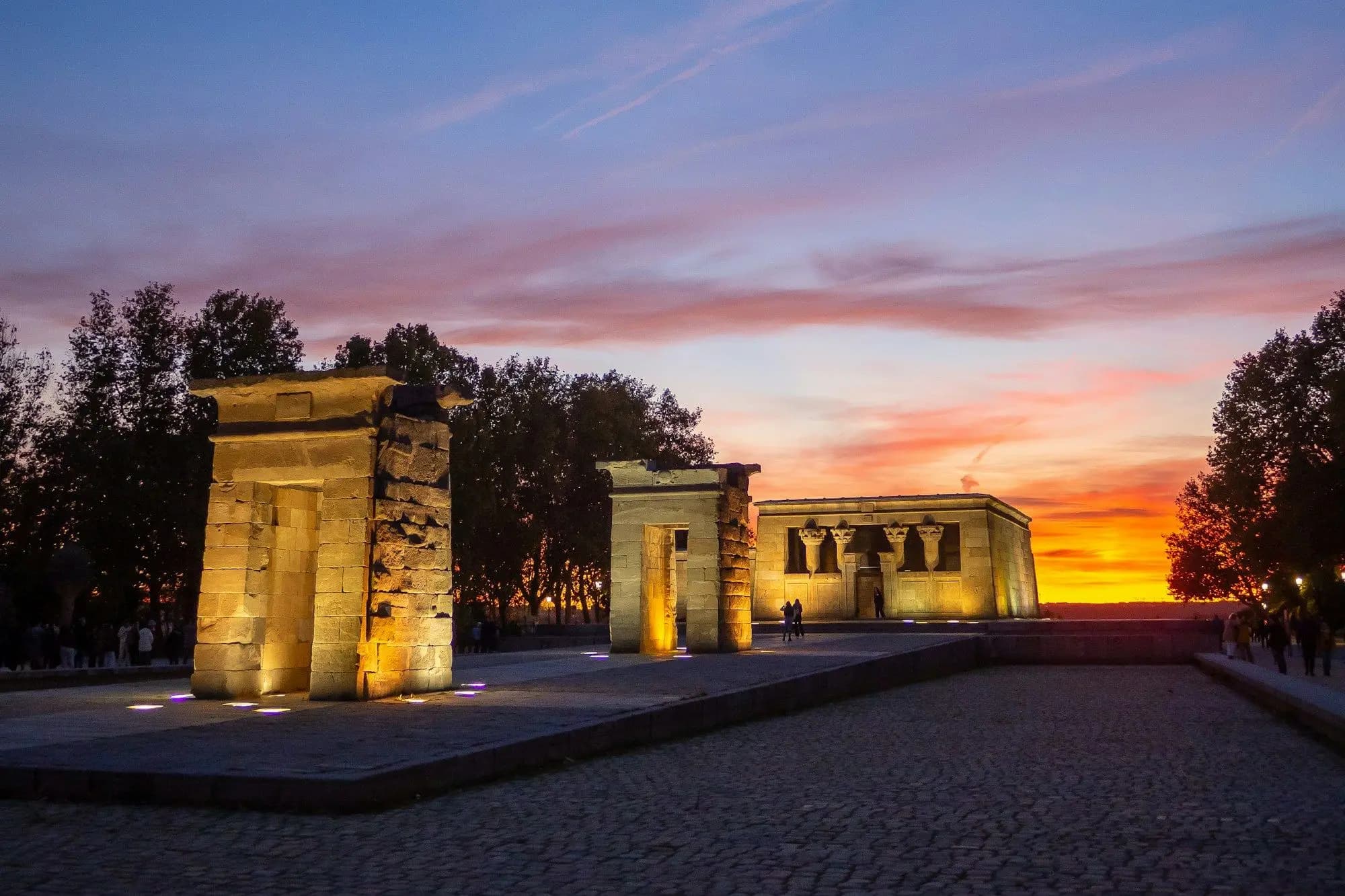
Madrid: the Prado, Retiro Park and Debod
Works by Velázquez, Goya and Bosch at the Prado, a morning among the ponds of Retiro Park and sunset beside an Egyptian temple brought over stone by stone.

Accessible tourism in Spain
Cities with memory, volcanic islands and a green north
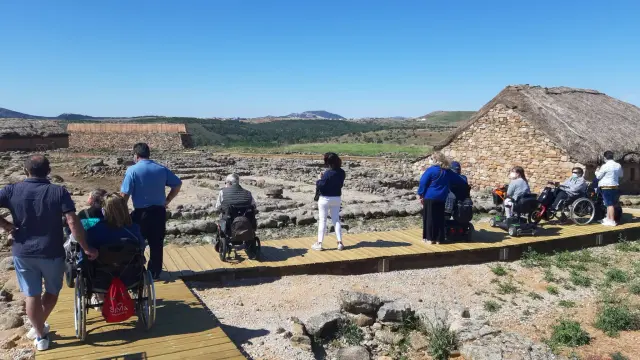
What can we tell you about Spain that you don't already know? Its historic cities, its artistic heritage, its cuisine and its fabulous beaches make it one of the countries most visited by tourists from all over the world. Little by little, the destination is incorporating more and more accessibility in transport, hotels and activities, so that more people can enjoy its attractions.
Go on, lose yourself in nature, among rivers, valleys and cliffs; or perhaps in the replica of the Altamira cave, with its museum. Head to the Canary Islands in search of good weather, enjoy accessible wine tourism in La Rioja or take part in an adaptive surf camp in Fuerteventura.
Many cities of great historical importance have also incorporated accessibility into their main routes, such as Granada or Cádiz.
Whether you're looking for a relaxing rural getaway or a stimulating cosmopolitan tour, Spain has everything to offer. How about we start planning your next trip together?
Start with Granada: go up to the Alhambra and the Generalife gardens. Lose yourself in the alleys of the Albaicín and end the day with live flamenco, very close to the stage.
In Madrid, leave time for the Prado and for a picnic in Retiro Park. At sunset, head to the Temple of Debod, an Egyptian temple brought over stone by stone.
Hungry? Tapas in La Latina and chocolate with churros, or small beers and tapas from bar to bar around the Santa Cruz neighbourhood, in Seville.
If you prefer water, sail along the Ría de Vigo and try the mussels, cross by ferry to the Cíes Islands or look for dolphins and whales from Tarifa. In Tenerife, the day ends under the stars of Teide.
And in Asturias, walk the Senda del Oso and watch the female bears come down to eat at midday.
Works by Velázquez, Goya and Bosch at the Prado, a morning among the ponds of Retiro Park and sunset beside an Egyptian temple brought over stone by stone.

Tapas in La Latina and the San Miguel Market, thick chocolate with churros and tapas from bar to bar among the orange trees and tiles of Seville.
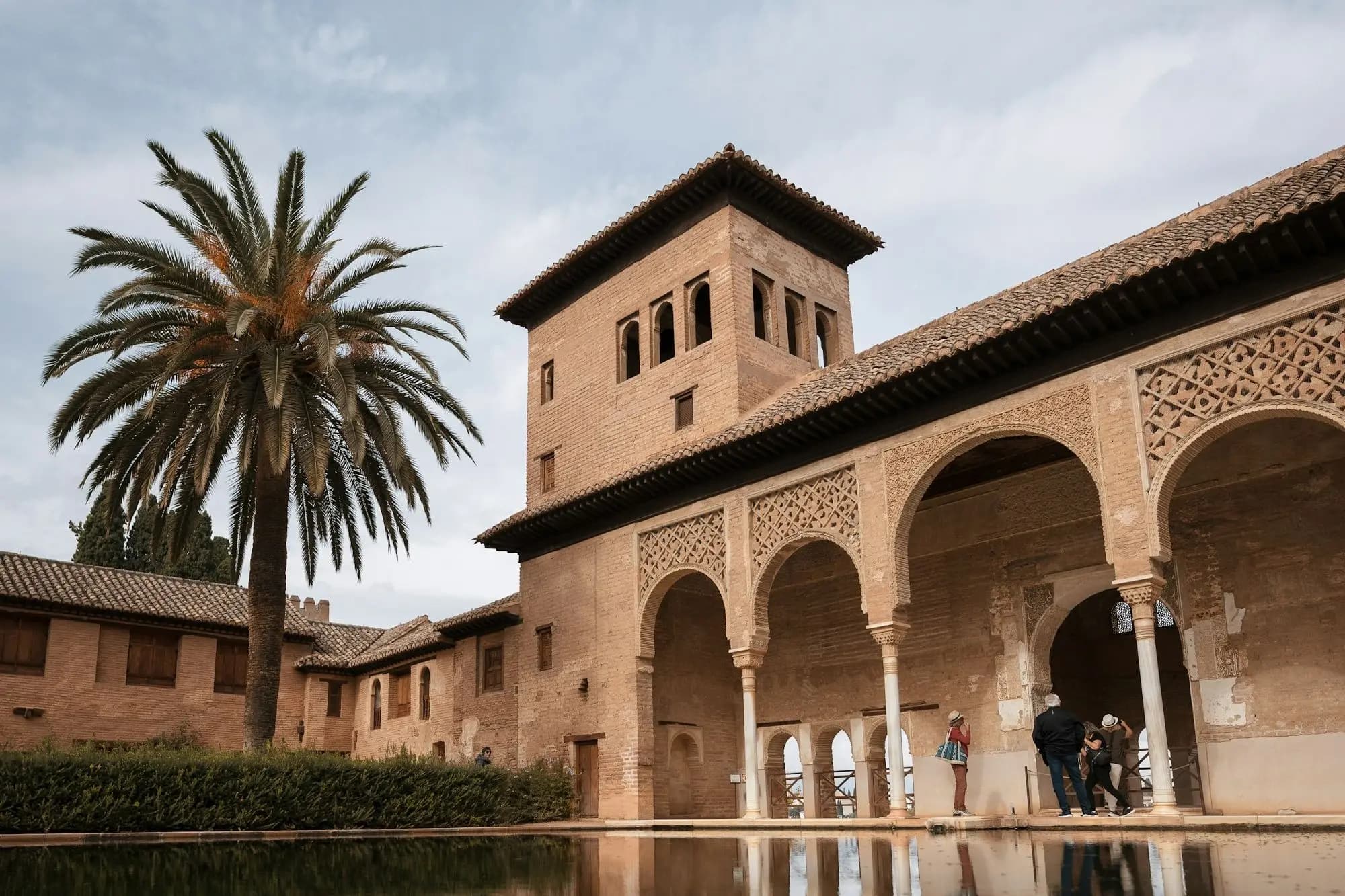
The courtyards, palaces and gardens of the Alhambra, the steep alleys of the Albaicín and a live flamenco session, with the singing very close to the stage.
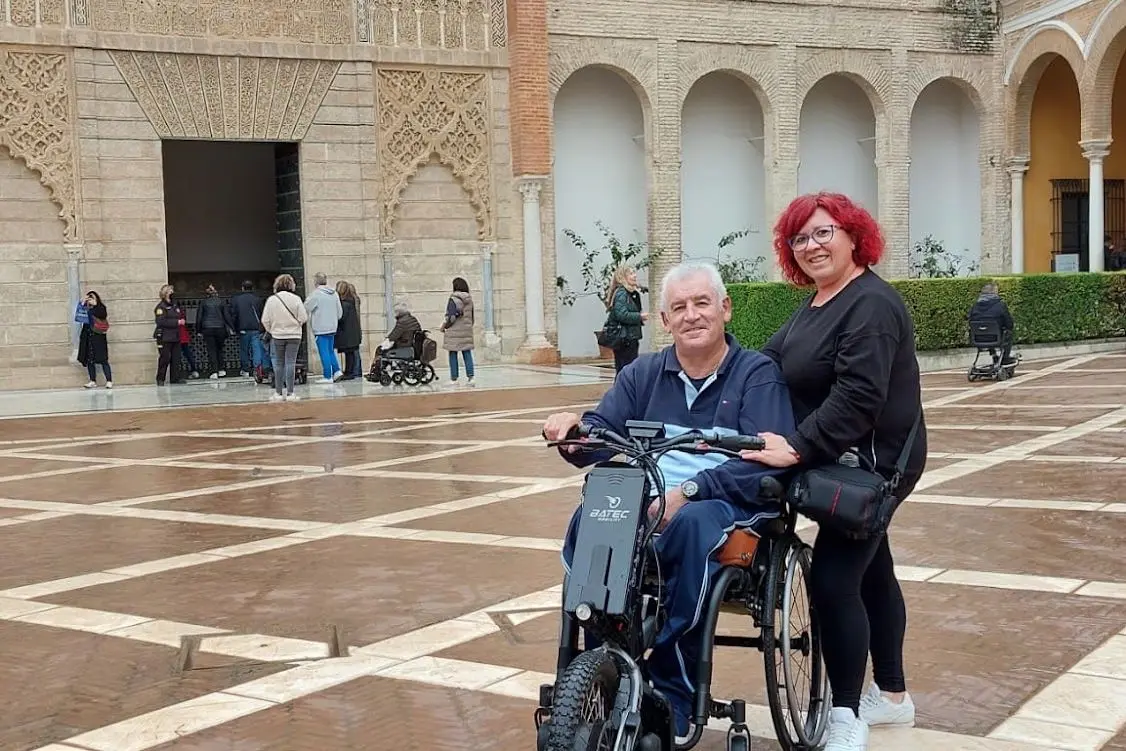
The Gothic cathedral and the Royal Alcázar of Seville, a boat trip along the Guadalquivir, Triana and, in Córdoba, the Mosque-Cathedral and the gardens of the Alcázar.
The coloured light of the Sagrada Familia. The façades of La Pedrera and Casa Batlló on Passeig de Gràcia. The shapes and colours of Park Güell.
The cobbled streets of Toledo, with Christian, Jewish and Muslim traces, and in Segovia the Alcázar and a suckling pig lunch with the Roman aqueduct in view.
Viewpoints and stretches of path among lava flows on Teide, a starry night from the heights and the Lunar Landscape of Vilaflor.
Craters and lava fields in Timanfaya, the Janubio salt flats with their green lagoon and the pale dunes of Corralejo facing a turquoise sea.
A cable-car ride from Fuente Dé up to a viewpoint over the Picos de Europa and, underground, the formations of El Soplao and the replica of the Altamira cave.
The Senda del Oso, with the female bears of Proaza coming down to eat at midday, a cider house where cider is born and the rock art of Tito Bustillo.
The Cape Vilán lighthouse, told by a female lighthouse keeper. The views from Finisterre, once believed to be the end of the world. The beaches of the Cíes Islands, reached by ferry.
Museums, wineries and workshops between Logroño and Laguardia, a tasting at a historic winery in Jerez and wines sampled among vineyards in La Orotava.
A walk through the historic centre of Chinchón to a local winery, to see how the region's wine is made and taste it without rushing.
A day in the Gipuzkoa countryside: a traditional farmhouse, how artisan cheese is made and a toast at a cider house, with Basque food.
An artisan cheese dairy in the Cabrales area to see how its cheese is made, and the cider museum to learn about its culture in eastern Asturias.
Calm swims at Las Vistas and Los Cristianos, the walk beside the Atlantic to Puerto Colón and the rock pools of El Caletón, in Garachico.
A day at Los Pocillos, with a walk along the seafront of Puerto del Carmen, and another on the long beach of El Matorral, as far as the Morro Jable lighthouse.
La Barceloneta in the afternoon, a morning of swimming and terraces at Nova Icària and a sunset walk along the Levante shoreline, in Benidorm.
A walk through the gardens of Genovés Park to La Caleta, Cádiz's cove, and days in the sun at El Morche, in Torrox, with lunch at a beach bar.
The long stretch of sand at Samil, in Vigo, to watch evening fall by the sea, and a stroll along San Lorenzo, in Gijón, on the shores of the Cantabrian Sea.
Go up to the Alhambra and the Generalife and walk through their courtyards, palaces and gardens. Lose yourself in the alleys of the Albaicín and, as evening falls, watch from the San Nicolás viewpoint as the sun turns the Nasrid palaces red. End with live flamenco and some tapas, taking your time.
Step into the Prado to see Velázquez, Goya and El Greco and continue through Retiro Park, a former royal garden. Wander around the Plaza Mayor and the Puerta del Sol, and leave the end of the day for the Temple of Debod, with the city bathed in golden light.
Come in March, when the city fills with lights, music and monuments on almost every street. Listen to the mascletà every afternoon, watch the fireworks of the nit del foc and stay until the cremà.
Explore the volcanic landscape of Teide and, when night falls, look at the stars from the heights. Set out by boat to look for dolphins and whales beneath the cliffs of Los Gigantes, wander through La Laguna and follow the Sendero de los Sentidos among the greenery of Anaga.
Sail along the Ría de Vigo to the mussel rafts and taste the mussels. Cross by ferry to the Cíes Islands, with their white-sand beaches, and climb Monte do Castro to see the city and the estuary. Finish in the Casco Vello or at the Cape Vilán lighthouse.
I'd like to plan my trip (opens in a new tab)
The Accessible Radar brings together what we know about the accessibility of each destination.
Spain changes depending on where you go. Autumn is ideal for exploring the cities at a leisurely pace, March brings the Fallas to Valencia and December leaves a low, golden light in Granada, with fewer people. If what you're after is good weather, the Canary Islands have it all year round.
Yes, with differences from one place to another. Granada, Cádiz, wine tourism in La Rioja or adaptive surfing in Fuerteventura are things people already do. The old towns with steep streets, such as the Albaicín, need more preparation.
It depends on what you're looking for. Autumn, in November, is good for exploring the cities at a leisurely pace. In March the Fallas of Valencia arrive, and in December Granada has a low, golden light and fewer people. For good weather, the Canary Islands, all year round.
A classic route brings together the Alhambra and the Albaicín in Granada, and the Prado and Retiro Park in Madrid. Next come the cathedral and the Royal Alcázar of Seville and the Mosque-Cathedral of Córdoba. If you'd like to add Gaudí, add Barcelona; if you prefer nature, the volcanoes of Tenerife and Lanzarote or the Picos de Europa.
Yes, although it needs preparation. It is an old town of cobbled streets and medieval corners, with Christian, Jewish and Muslim traces, and it's best to decide the route according to how you get around. It is often combined with Segovia and its Roman aqueduct. Tell us how you get around and we'll assess it together.
Start with La Rioja: between Logroño and Laguardia there are museums, wineries and workshops to understand how wine is experienced and made. You can also have a tasting at a historic winery in Jerez, visit wineries in La Orotava, in Tenerife, or try the wines of Lanzarote by the sea.
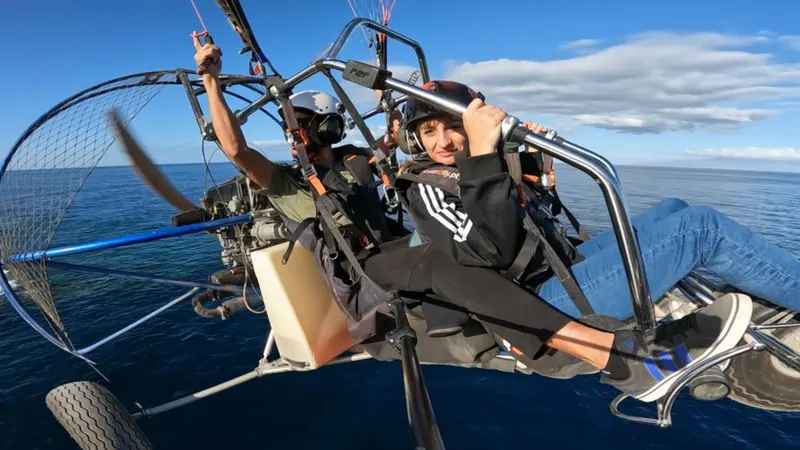 Accessibility guide: everything you need to know about travelling to Tenerife in a wheelchairDestinations · 17 min read
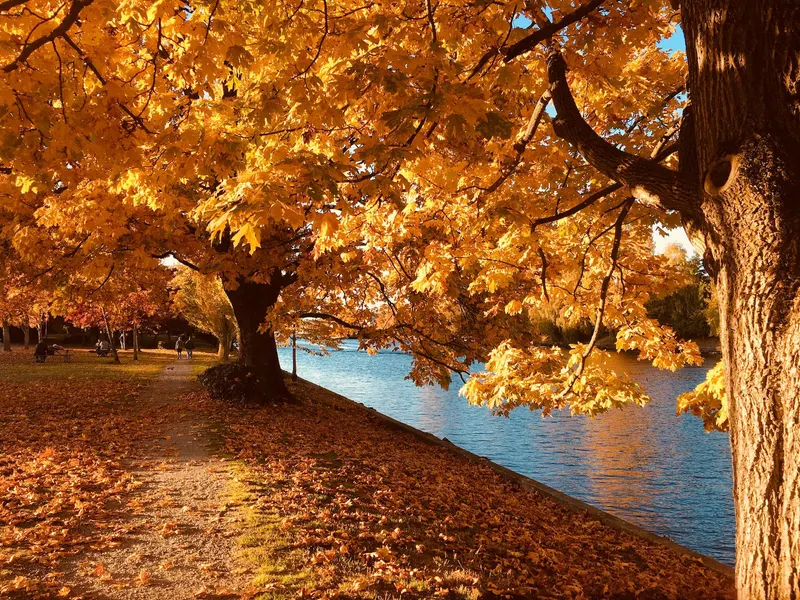 Accessible travel in autumn: discover the best accessible destinations for your next adventureExperiences · 2 min read
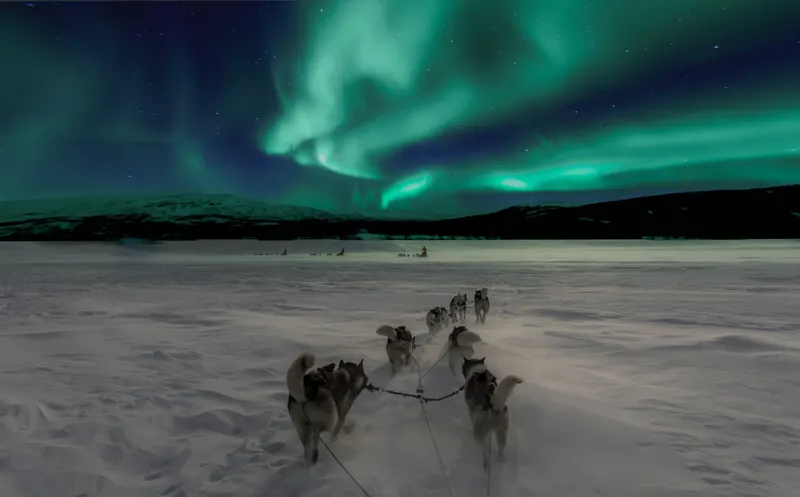 Where to travel for the December bank holiday break in a wheelchair: 5 brilliant accessible plansExperiences · 6 min read
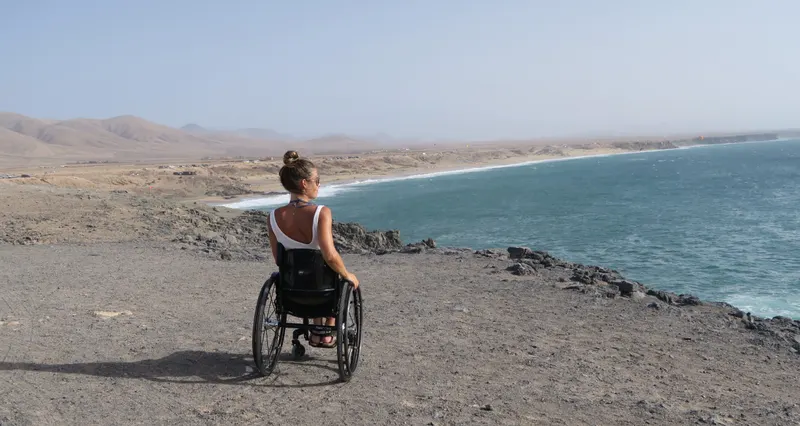 Accessible activities in Fuerteventura: discover an incredible islandDestinations · 9 min read
When you know you want to travel, start here. If you're still finding out more, keep exploring: this website is designed to answer your questions.
Noa, our virtual assistant, will look after you: she listens to you, asks you a few questions and books you a call with someone from our team. Who is Noa?