Historic Berlin and the Wall
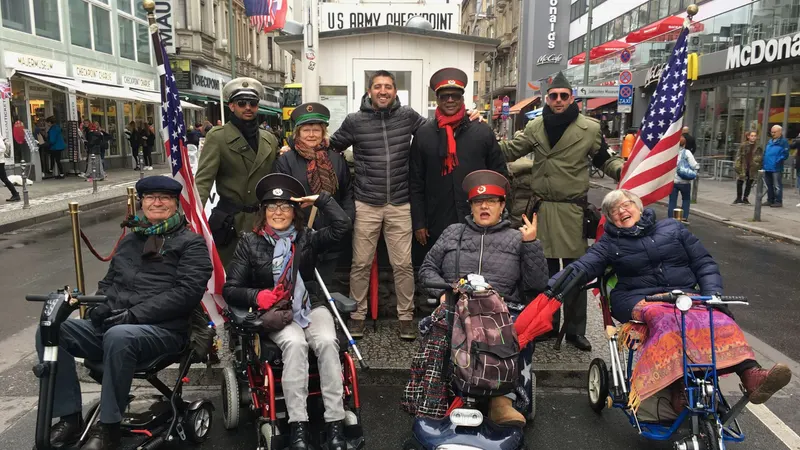
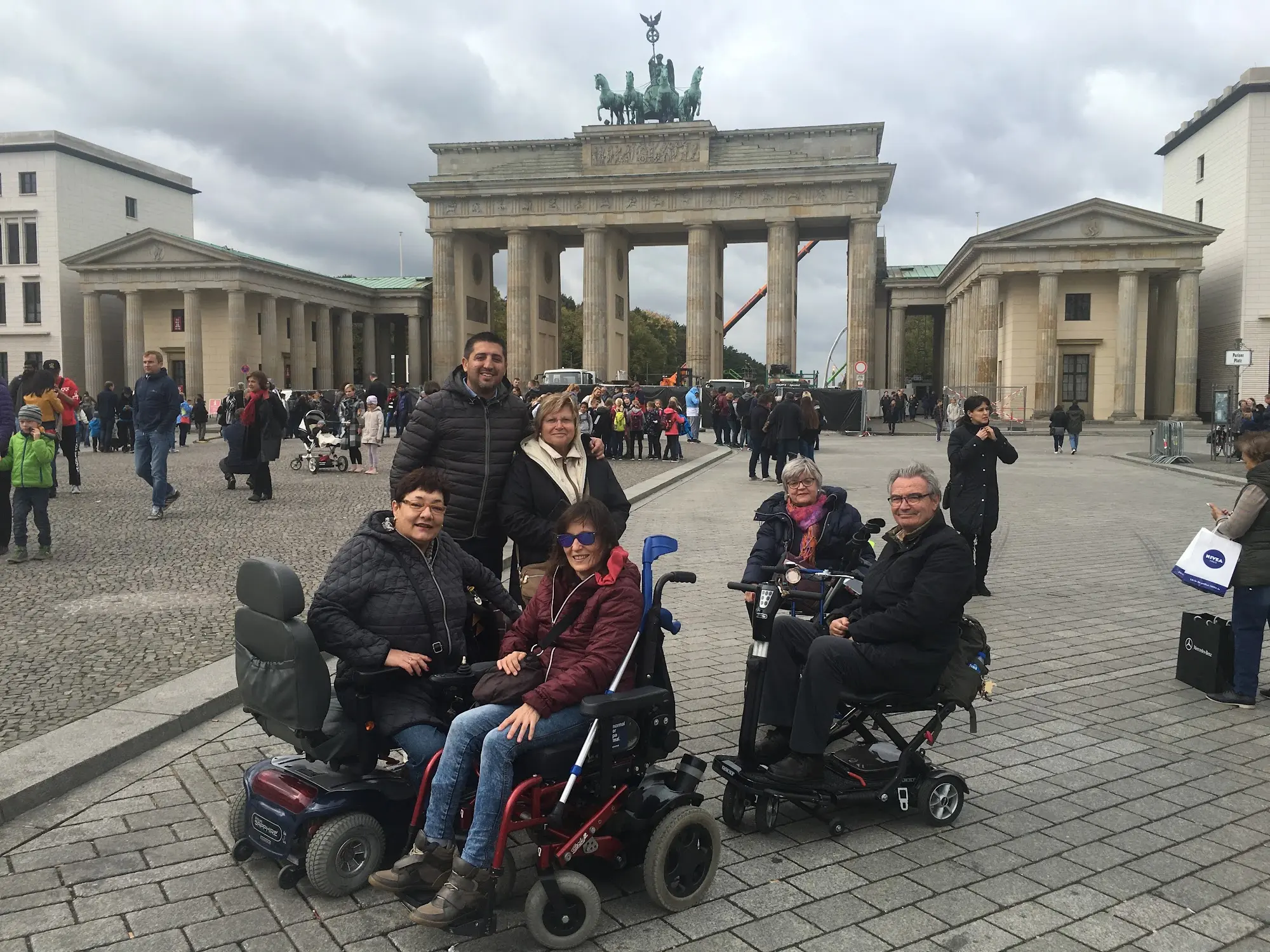
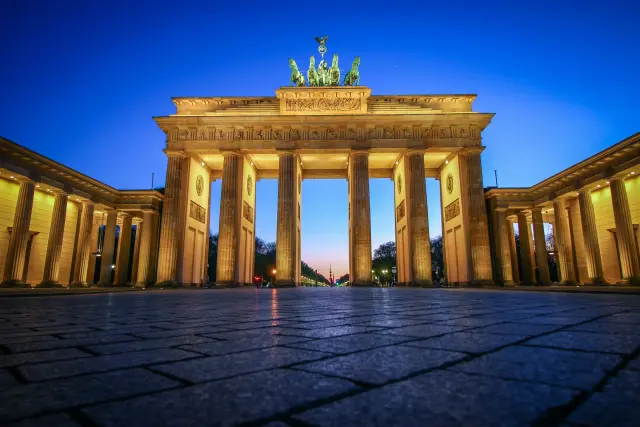
From the Brandenburg Gate to the Holocaust Memorial, with a climb up the glass dome of the Reichstag, and Checkpoint Charlie, one of the crossing points of the Wall.

Accessible tourism in Germany
Living history, cities with rhythm and fairy-tale forests
For its undisputed role in the history of present-day Europe, for its dazzling architectural heritage, for its vibrant cities, or for the intriguing forests that make the Black Forest region a land of fairy tales… There are plenty of reasons to travel and get to know Germany, a country to visit many times, from different perspectives.
Experience Berlin, the German capital. It is a wonderful place with an unbeatable atmosphere. Explore the city and choose from an enormous number of monuments, buildings and museums to visit. Berlin really is an enormous experience, hard to put into words… You will have to discover it in person!
If you travel to the south of the country, you will get to know the popular city of Munich, the Bavarian capital, and also the beautiful medieval city of Nuremberg. At the opposite end, magical Bremen and the North Sea await you.
Accessibility deserves a chapter of its own: Germany is a socially committed country that has long been working so that many of its cities, monuments and services can be enjoyed by everyone.
One scene that tells the story: going up by cable car over the meeting of the Rhine and the Moselle to the fortress of Koblenz, with the valley at your feet. Tell us how you move around and we help you experience it. Shall we set off?
Start Berlin with its history: from the Brandenburg Gate to the Holocaust Memorial and, to finish, the glass dome of the Reichstag.
Another day, the murals of the East Side Gallery, the stretch of the Wall turned into a gallery, and a day of art on Museum Island, with the Tiergarten for a rest. Prefer the city from the water? A cruise of a few hours along the main canal shows it in a different way.
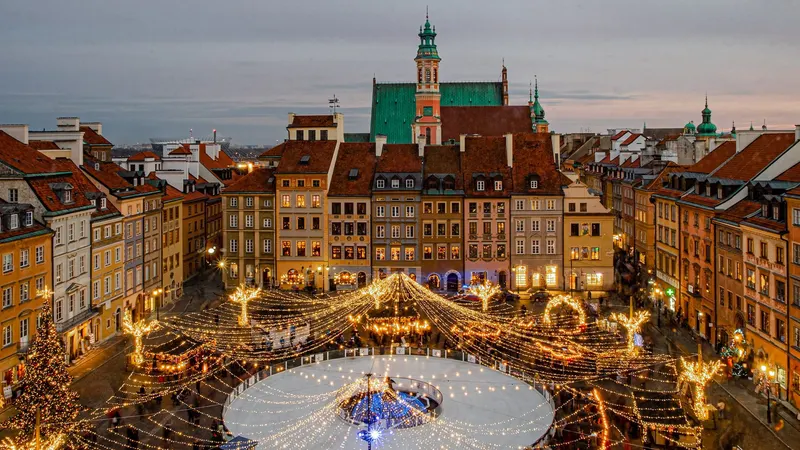
If you travel in winter, the Christmas markets rule: Gendarmenmarkt, Potsdamer Platz with its ice rink, the old town of Spandau, Cologne and Munich, with a glass of mulled wine in your hand. If you travel in autumn, the Oktoberfest on the Theresienwiese.
In the Black Forest, walk among the treetops, go to the Triberg waterfalls and try Black Forest gateau on a terrace with a view. In Hamburg, sail around the harbour and lose yourself in the model world of Miniatur Wunderland.
And in Koblenz, go up to the fortress at sunset, stroll through Cochem beside the Moselle and sail along the Rhine to the cold-water geyser at Andernach.
From the Brandenburg Gate to the Holocaust Memorial, with a climb up the glass dome of the Reichstag, and Checkpoint Charlie, one of the crossing points of the Wall.
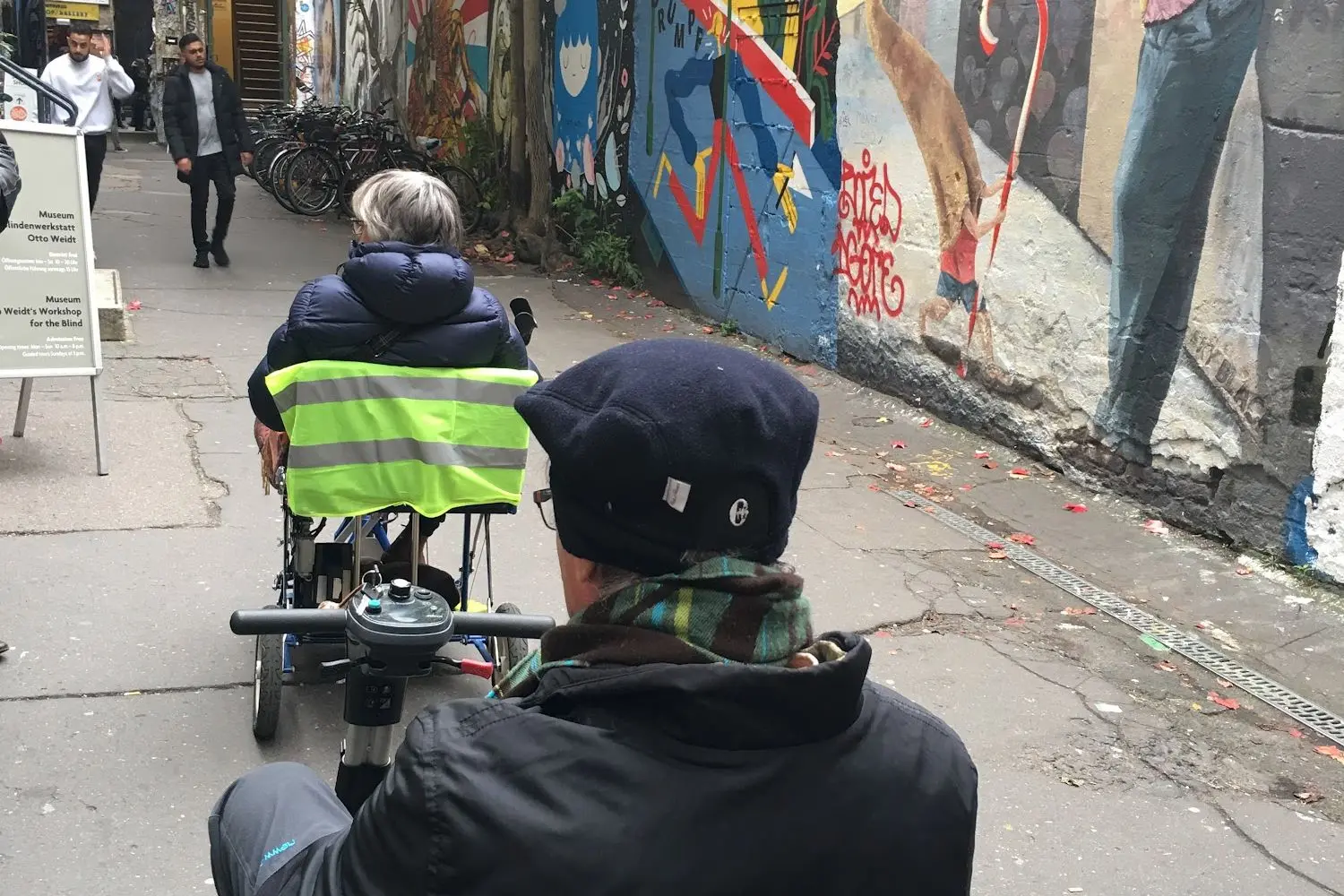
Explore the murals of the East Side Gallery, the stretch of the Wall turned into a gallery, and continue to the RAW site, with its alternative atmosphere and its vintage market.
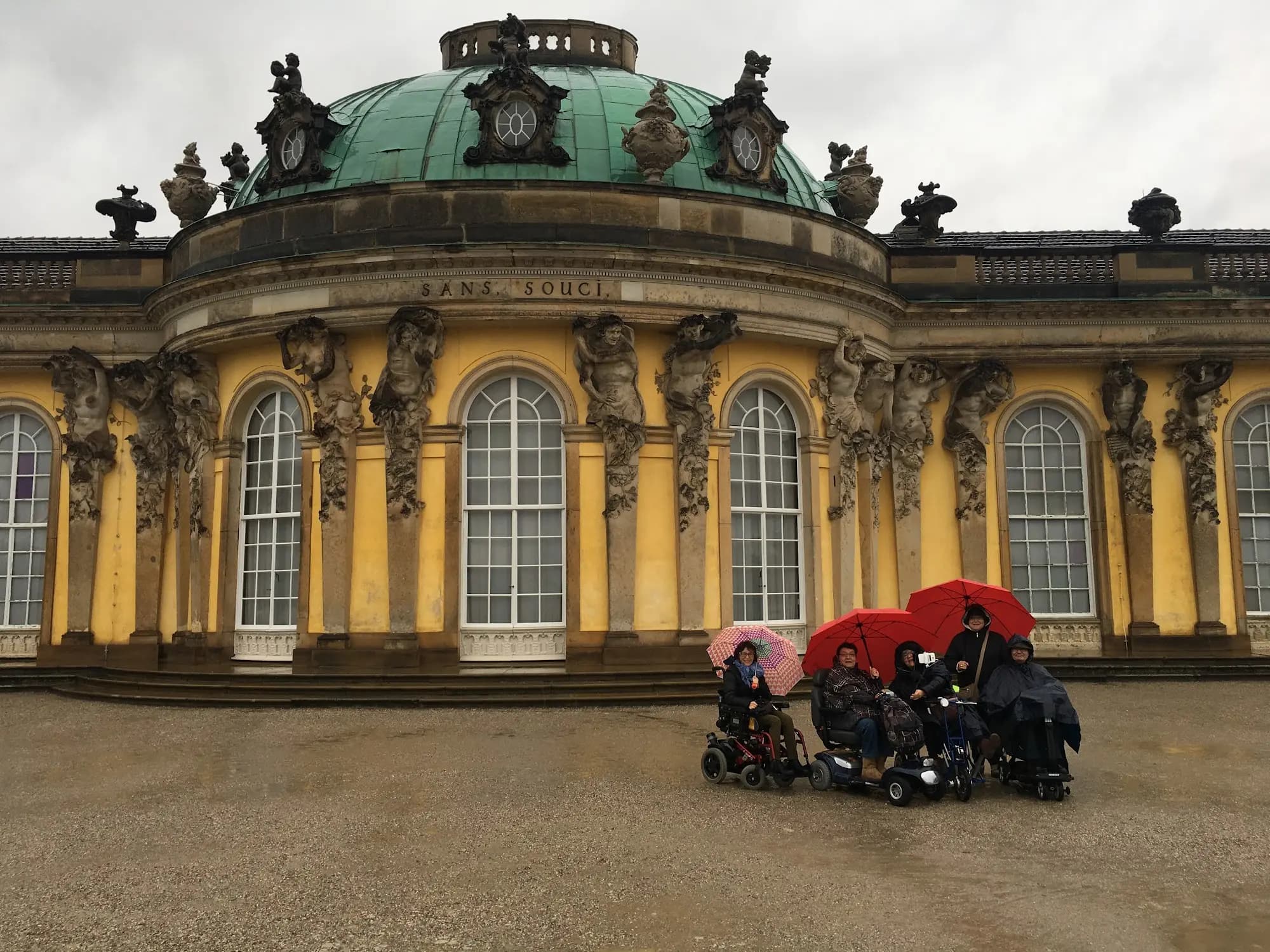
Spend a day on Museum Island, with a relaxed walk through the Tiergarten, and step into the State Opera and Berlin Cathedral.
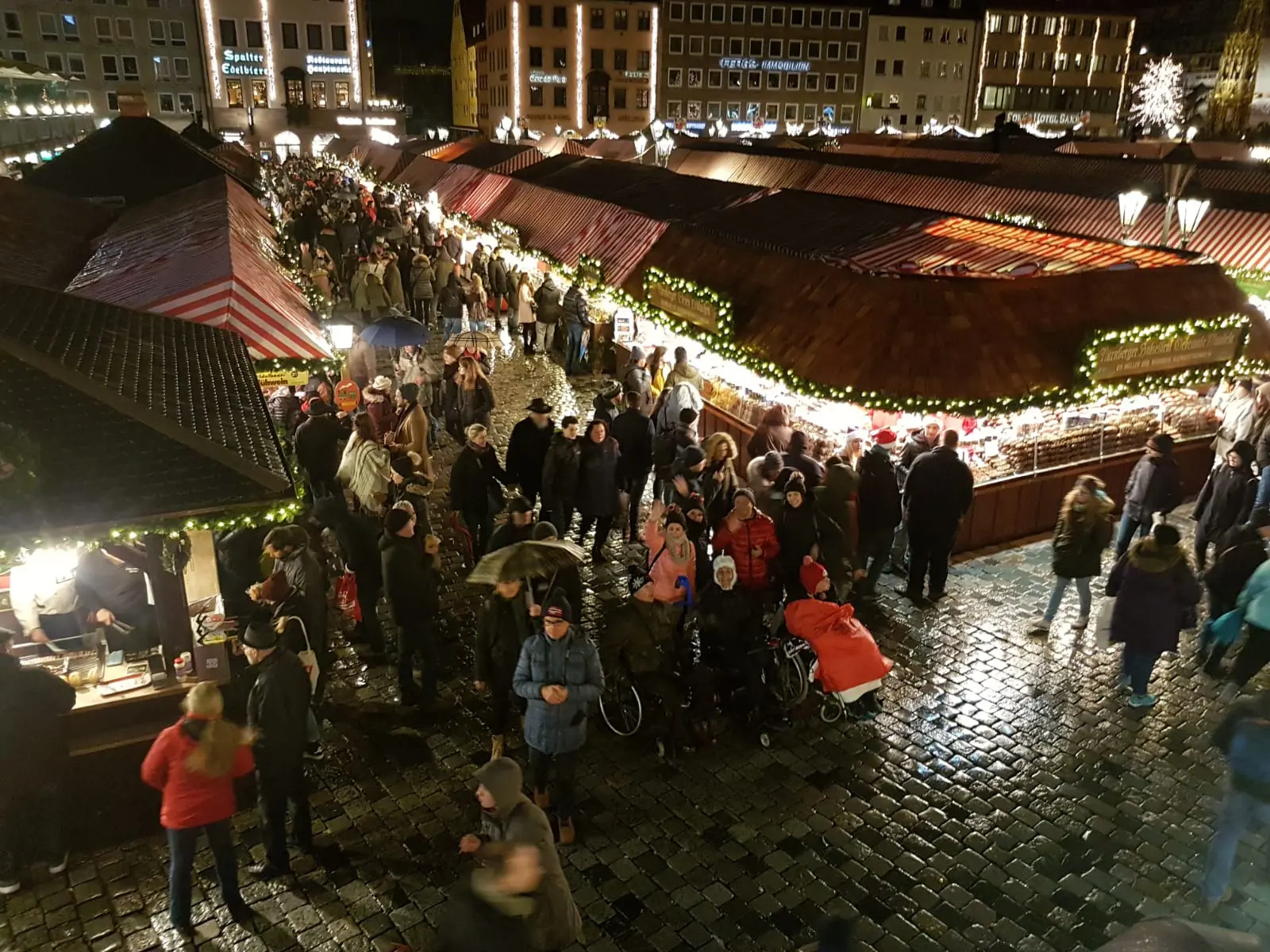
Stroll among stalls, lights and crafts at Gendarmenmarkt, Potsdamer Platz (with its ice rink), Spandau, Cologne, Munich and Aachen, with a glass of mulled wine in your hand.
Step into the beer tents at the original Oktoberfest grounds, the Theresienwiese, and stroll through Marienplatz, the Frauenkirche and the English Garden.
Walk along a wooden walkway that winds among the treetops and look at the green of the Black Forest from above.
Go to the Triberg waterfalls, try Black Forest gateau on a terrace with a view and explore the cobbled streets and half-timbered houses of Gengenbach.
Sail around the harbour to see quays, shipyards and ships from the water, stroll through the red-brick, canal-lined Speicherstadt and visit the Miniatur Wunderland model world.
Take the cable car up to the Ehrenbreitstein fortress, with views of the Rhine and the Moselle, and stroll to the Deutsches Eck. At Christmas, the market and the Christmas Garden.
Stroll through Cochem, with its half-timbered houses and the Moselle among vineyards, and sail along the Rhine to the cold-water geyser at Andernach.
Step into the Gothic cathedral and watch the light cross its stained-glass windows, walk beside the Rhine and explore the modern and contemporary art museums.
Stroll through the spa town of Baden-Baden, between its great tree-lined promenade and the thermal spring, and through the pedestrian centre of Freiburg, with its little canals, the Bächle.
Walk through the Brandenburg Gate and climb the glass dome of the Reichstag. Explore the murals of the East Side Gallery, step into Museum Island and end the afternoon among the courtyards of Hackescher Markt.
Stroll among lit wooden huts and have a glass of mulled wine as evening falls. Try freshly baked sweets, look at the handmade crafts and let the aroma of spices and the carols lead you from one square to another.
Walk among the treetops, go to the Triberg waterfalls and have a slice of Black Forest gateau on a terrace with a view. See how cuckoo clocks are made and explore the medieval centre of Gengenbach, with its half-timbered houses.
Stroll beside the Binnenalster lake and through the Speicherstadt, with its red brick and canals. Sail around the harbour, step into the Miniatur Wunderland model railway and, at night, head for the buzz of the Reeperbahn.
Go up to the Ehrenbreitstein fortress at sunset and see how the Rhine and the Moselle meet. Stroll beside the river in Cochem, among half-timbered houses, and sail to Andernach to watch the cold-water geyser send up its jet.
Step into the beer tents of the Theresienwiese and wait for the glockenspiel in Marienplatz. Stroll through the English Garden, watch the surfers on the Eisbach and end the afternoon among the gardens of Nymphenburg Palace.
I'd like to plan my trip (opens in a new tab)
The Accessible Radar brings together what we know about the accessibility of each destination.
In the Radar, the cities in Germany we have the most information about are Berlin, Munich, Hamburg, Nuremberg, Frankfurt, Cologne, Erfurt and Bremen.
Germany has a month for every plan. The Christmas markets call for late November or early December, and the Oktoberfest, from mid-September to the first weekend of October. Berlin is best explored in spring and autumn, with a milder climate.
Yes, although it depends on where you go and how you plan the trip. The cities offer plenty of relaxed walks, in the Tiergarten, the English Garden or beside the Rhine. The most demanding are the medieval old towns of cobbled streets, such as Gengenbach, and the walkway among the treetops in the Black Forest.
It depends on what you are looking for. The Christmas markets, from late November to December; the Oktoberfest, from mid-September to the first weekend of October. Berlin is best explored in spring and autumn, with a milder climate.
From late November or early December. In Berlin there are markets at Gendarmenmarkt, with crafts and live shows, at Potsdamer Platz, with an ice rink, and in the old town of Spandau. If you want more Christmas, add Cologne, Munich or Aachen.
Potsdam is the most classic day out: Sanssouci, the Dutch Quarter, Cecilienhof Palace and the bridge where spies were exchanged. By train you can reach Rheinsberg, to walk and sail on its lakes. And north of the city is the memorial at the Sachsenhausen camp.
A tour can link Berlin for its history, Hamburg for its harbour, Cologne and Koblenz beside the Rhine and the Moselle, the Black Forest and Munich. Each stage is adjusted to the season and to how you move around, and we design it to suit you.
When you know you want to travel, start here. If you're still finding out more, keep exploring: this website is designed to answer your questions.
Noa, our virtual assistant, will look after you: she listens to you, asks you a few questions and books you a call with someone from our team. Who is Noa?