Accessibility guide to the Eternal City: what you need to know about travelling to Rome in a wheelchair
- Europe
- Italy
- Culture and art
If you want to travel to Rome in a wheelchair or with mobility difficulties, you need to read this article: you will find all the information you need.
Visiting this city is possible if you have the right information and plan ahead.
Although the Eternal City, famous for its history and architecture, can present certain accessibility challenges because of its old infrastructure, the city has made many improvements to its main attractions and transport services.
Thanks to this progress, travelling to Rome in a wheelchair is now more accessible and comfortable for everyone.
In this guide you will find everything you need to organise an accessible trip and enjoy Rome with peace of mind, whether you are a person with mobility difficulties or you use a wheelchair or other mobility equipment to get around.
Accessible tourism in Rome
Main accessible attractions in Rome
Rome is home to some of the most famous and most visited attractions in the world. Although some present accessibility challenges because of their age, many sites have made improvements so that visitors in a wheelchair or travelling with a physical disability can enjoy their history and beauty.
Important: bear in mind that admission to the museums and archaeological sites run by the Italian State is free for people with disabilities and their companion; elsewhere, it is best to check at each site.
Below are the accessibility features of the most notable places:
The Colosseum
The main entrance to the Colosseum has a ramp that makes getting in easy. In addition, a lift provides access to the second level, from where you can enjoy a panoramic view of the amphitheatre. It also has accessible toilets on the first level.
Bear in mind that the lower level cannot be visited, as it is only reached by stairs.
Vatican Museums and Sistine Chapel
The Vatican Museums have installed ramps and lifts along the route, which makes it easier to reach the main galleries and the Sistine Chapel. For those who need a wheelchair, the Vatican offers this service at no extra cost, although it is advisable to book in advance because of high demand.
In addition, accessible toilets are located at various points in the museum.
Pantheon
The entrance to the Pantheon is level, which allows access to the interior. Although the building has no accessible toilets, there are options nearby, in cafés and restaurants in the area.
Trevi Fountain
Although it is not possible to get right up to the edge of the fountain, there is a paved area from which you can enjoy a full view of it. Because of the large number of tourists, it is advisable to visit this iconic site at quieter times for greater comfort.
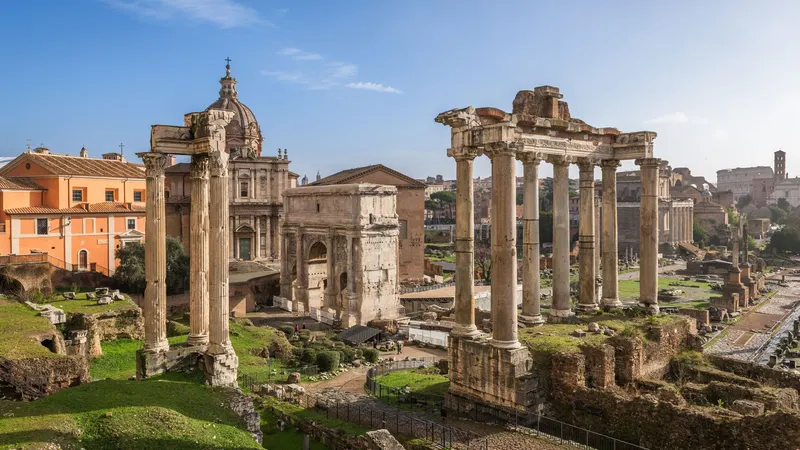
Roman Forum
This historic site is one of the most challenging in terms of accessibility, as only 20% of the area is accessible because of its uneven terrain. Some areas have been adapted with ramps, but we recommend using a powered wheelchair or attachments such as handbikes or freewheels if you want to explore it in more depth.
Honestly, enjoying time with the family and the peace of mind you give us at Travel Xperience is the best part of the trip. No problems, and with complete confidence that everything was going to go well.
Dani had a great time, and both the accessible transfers in Rome and the hotel and the accessible visit to Pompeii were perfect! It's a pleasure to travel without having to worry about anything. Second time we've put our trust in you and we'll definitely be back.
An overview of accessibility in Rome
Rome is a partially accessible city, because of the age of its infrastructure, with cobbled streets and narrow pavements in various areas. However, with the right information or a specialist guided tour, it is possible to enjoy its wonders.
In the historic centre, home to iconic monuments such as the Colosseum and the Pantheon, ramps and accessible routes have been installed at key points, which makes visiting easier for people with reduced mobility or for those who want to travel to Rome in a wheelchair.
On the other hand, the areas in the best condition in terms of accessibility are the main streets, which tend to be wider and better maintained. However, the side streets, especially in the old areas, can be challenging because of their uneven paving and steep slopes.
To enjoy Rome in the most accessible way, it is advisable to plan an itinerary that gives priority to these routes and avoids, as far as possible, the most difficult paths.
Accessible transport in Rome
Rome offers various accessible transport options for people with reduced mobility, allowing comfortable journeys, ideal for those planning a visit with mobility difficulties or who want to travel to Rome in a wheelchair. The main alternatives include:
Buses
Rome's bus fleet is 98% equipped with ramps and reserved areas for wheelchairs, making it easier to get around the city. In addition, buses are an excellent option for those who prefer to avoid long stretches of cobbled streets.
Bear in mind that, although the buses are adapted, some stops may have uneven paving that makes access difficult. Check it before deciding to use this service.
Metro
Although the Rome metro is partially accessible, especially on line A, lines B and C have adapted stations that allow easier access. Planning your routes in advance, by consulting the accessibility map, is essential for anyone who wants to get around on the city's metro.
In any case, we do not recommend this means of transport because, at times, the lifts break down and make it impossible to get into or out of the station.
Taxis and private transport
Rome has wheelchair-accessible taxis and private transport services for those looking for comfort and flexibility. These vehicles are equipped with ramps and wheelchair tie-downs, which is ideal for those looking for an accessible, personalised trip.
It is advisable to avoid peak times and check the timetables and availability of the adapted services on the ATAC website (opens in a new tab), especially in areas with the most tourists.
Accessible accommodation in Rome
Finding accessible accommodation in Rome is one of the keys to enjoying a comfortable stay. The city has a wide variety of options, ranging from hotels in the historic centre to quieter areas on the outskirts. When choosing accommodation, it is essential to consider the following aspects:
Accessible rooms
Many hotels in areas such as the Vatican and the Trevi Fountain have accessible rooms with accessible bathrooms, level-access showers, grab rails and enough space to manoeuvre in a wheelchair. This is especially useful if you have mobility difficulties.
Accessible communal areas
Most accessible accommodation in Rome has also adapted its communal areas, such as restaurants, gyms and rest areas, with ramps and lifts that allow guests to move around freely.
Accessible bathrooms
It is essential to check that the bathrooms have grab rails and enough space for using a wheelchair. Some hotels include washbasins and mirrors set at a suitable height, thereby giving guests greater independence. Likewise, ask for photos and measurements to check that the adaptations are right for you.
Choosing accommodation in the centre of Rome makes it easier to reach the main attractions and reduces the need to travel long distances. On the other hand, outlying areas such as EUR and Ostia offer modern, more spacious accommodation options, ideal for those looking for peace and quiet and easy access by car.
Travel Xperience services for your trip to Rome
At Travel Xperience, we prepare tailor-made trips adapted to your needs. That is why we offer a range of adapted services that will let you enjoy Rome with peace of mind and in comfort.
We take care of organising every aspect of your visit, from the flights to the tours, so that you have a hassle-free experience in the Eternal City. Our standout services include:
Flight arrangements and personalised assistance
We request the necessary assistance at the airport for boarding and disembarking, both for you and for your mobility equipment. You can read more about how to fly with your wheelchair on our blog.
Private accessible transfers
On arrival, you will have private accessible transfers to take you comfortably from the airport to your accommodation. We organise the service in adapted vehicles with a ramp and wheelchair tie-downs, according to your needs.
Accessible accommodation in different locations
We help you find the ideal accommodation in Rome, selecting options in different categories and in the location you prefer. We ask what is essential in your accessible room: grab rails, level-access shower, shower seat…
Private tours along accessible routes with specialist guides
To discover Rome in the best way, we organise private accessible tours with guides specialising in accessibility. Each tour will be designed to suit you so that you can visit everything you want to. Our standout options include:
- Accessible tour of Ancient Rome: Explore the Colosseum, the Roman Forum and the Palatine Hill, among other key sites, on an adapted route.
- Complete tour of the Vatican: Visit the Vatican Museums, the Sistine Chapel and St Peter's Basilica on an adapted route.
- Excursions from Rome: We run adapted excursions to destinations such as Pompeii, the Amalfi Coast, Siena, San Gimignano and Ostia Antica, among others, with accessible routes and transport.
Mobility equipment and assistive equipment hire
We offer a mobility equipment hire service, including mobility scooters, hoists and commode chairs. This equipment is available on request and is ideal for making it easier to get around and do activities in Rome.
Travel insurance and 24/7 phone support
We provide travel insurance that covers pre-existing conditions and 24/7 phone support to resolve any incident or answer your questions.
At Travel Xperience, we are at your disposal to make your visit to Rome an accessible, safe and memorable experience. We design tailor-made trips and personalise each of the services according to your needs, so that both you and your companions enjoy a perfect experience.
Conclusion
We are sure this information will be useful to you. Rome is a unique city which, although it presents challenges in terms of accessibility, offers a wide range of adapted options and services for those who want to travel to Rome in a wheelchair or plan a trip with a disability.
With proper planning and the services we have presented, you will be able to enjoy the history, art and architecture of the Eternal City.
Go ahead and discover this city: you will feel as if you have gone back in time, and you will have the chance to “touch” the history of Rome as you never imagined.
Frequently asked questions about travelling to Rome in a wheelchair
Which tourist sites in Rome are accessible for wheelchair users?
Rome, in general, has worked hard to improve the accessibility of the city and its tourist attractions. Among others, accessibility solutions have been put in place at the Vatican, the Colosseum (with adapted areas and specific entrances), the Roman Forum and the Capitoline Museums.
In any case, it is important to check the access options at each place in advance.
Is there accessible accommodation for people with reduced mobility in Rome?
Rome has a wide variety of accessible accommodation for people with reduced mobility, from central hotels to more affordable options on the outskirts. Many hotels offer accessible rooms, wide entrances and suitable bathrooms, so it is advisable to confirm these services when booking.
How do you get around Rome in a wheelchair or with mobility difficulties?
Getting around Rome in a wheelchair can be done comfortably using wheelchair-accessible taxis, accessible buses and some metro lines, although not all the stations are adapted. Rome also has accessible private transport services that you can use.
Is it possible to get into the Colosseum and other historic sites in a wheelchair?
Access to the Colosseum and other historic sites in a wheelchair is possible thanks to ramps and lifts in key areas. Although some parts can be tricky because of the terrain, there are many adapted areas and staff on hand to help.
Where can you find accessible toilets in the main tourist areas of Rome?
Accessible toilets in the tourist areas of Rome are located at the main attractions, shopping centres and some hotels and restaurants. There are mobile apps that show the location of accessible toilets in the city.
Do you offer accessible guided tours for people with disabilities in Rome?
If you wish, you can request an accessible guided tour for people with disabilities and we will include the services you need, such as accessible transport and guides trained in accessibility.
Is it safe for wheelchair users to use public transport in Rome?
On public transport in Rome, buses have ramps and adapted areas for wheelchair users. Although some metro lines are not fully accessible and we do not recommend them, the buses usually cover most routes.
Are there discounts on admission to attractions for people with disabilities in Rome?
Many museums, archaeological sites and attractions in Rome offer discounted tickets for people with disabilities and, in some cases, free admission for their companions. It is advisable to ask when buying tickets and to take your disability card with you.
What recommendations are there for a comfortable and safe trip to Rome in a wheelchair?
To enjoy a comfortable trip to Rome in a wheelchair, it is essential to plan ahead, check the accessibility of hotels and transport, and find out about the accessible options and routes available at each tourist site you want to visit.
Is there support at airports and train stations for people with disabilities?
At airports and train stations in Rome, there are free assistance services for people with disabilities. If you request the service in advance, staff will be on hand to help with transfers and access.
Is it possible to hire mobility equipment in Rome, such as wheelchairs or mobility scooters?
In Rome it is possible to hire wheelchairs, mobility scooters and other mobility equipment through local companies that deliver the equipment to your accommodation or directly to the airport. This service makes getting around easier during the trip.
What accessibility measures are there in Rome's museums?
Rome's museums, such as the Vatican Museums and the National Roman Museum, have accessibility measures including ramps, lifts and adapted guides. It is advisable to ask about specific options at each museum.
How can I get accessible tours for people with disabilities in Rome?
Accessible tours for people with disabilities in Rome can be personalised according to the travellers' accessibility needs, and are designed to offer a comfortable experience, with accessible transport and access to tourist sites of interest.
Published on .