London in a wheelchair: your trip, at your pace
- Europe
- United Kingdom
- Culture and art
Travel to London in a wheelchair with a guide to accessible transport, accommodation and visits, plus practical tips for your trip.
Thinking of travelling to London in a wheelchair? Then we have good news for you!
If London is among your next destinations, you'll be glad to know that it is one of the most accessible cities in Europe. Despite its thousand-year history and dynamic pace, the British capital has made significant progress in inclusion, offering more and more adapted spaces, means of transport and attractions.
From landmark museums to majestic royal parks, with the right planning and the expert support of Travel Xperience, a trip to London for people with reduced mobility can be not only possible, but unforgettable. Want to discover everything the British capital has in store? Keep reading and get ready to be inspired!
How accessible is London?
London has been recognised as one of the most accessible cities in Europe, mainly thanks to its continuous efforts to create an environment for everyone. In fact, with wide, smooth pavements in most of its central areas, it is an excellent choice for a trip to London for people with reduced mobility.
In addition, because many areas are pedestrianised and equipped with dropped kerbs at the corners, traffic lights with both visual and audible signals, and accessible toilets, getting around London in a wheelchair is comfortable.
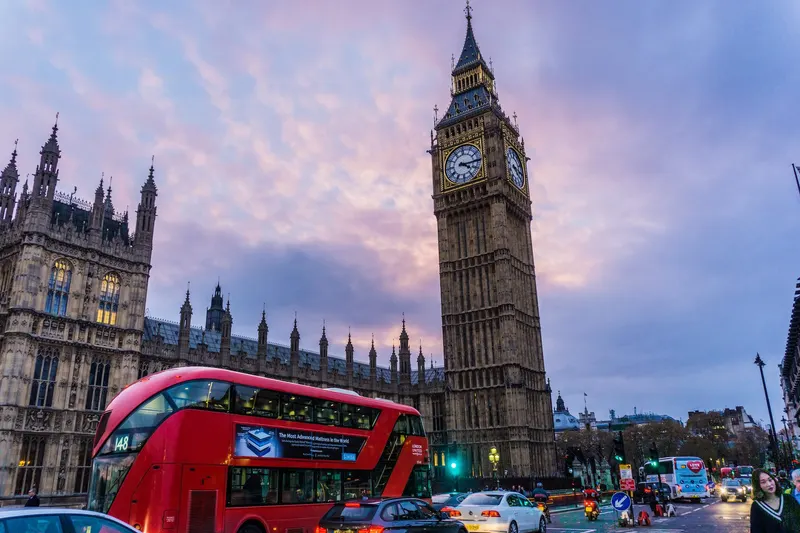
Likewise, as we mentioned at the start of this post, the British capital also stands out for its strong commitment to accessibility in public transport. For example, all buses are accessible, many Underground and train stations offer step-free access, and the famous Black Cabs have ramps.
On top of that, there is a varied cultural and tourist offering in which museums, theatres and attractions are ready to welcome visitors with reduced mobility.
However, as with any destination, it is essential to plan the trip in advance. That is why relying on specialist services like those we offer at Travel Xperience can make all the difference.
Accessible transport in London
It's true that, at first, getting around London in a wheelchair can seem like a challenge, especially because of the size and pace of the city. However, the reality is that the British capital has made great progress in accessibility, which completely transforms the experience.
So, if you are planning a trip to London for people with reduced mobility, you will find a wide range of options for getting around: from adapted buses, through the classic taxis with ramps, to accessible ferries that sail the Thames.
Although it is true that the Underground does not yet offer full accessibility, many of the most important stations in the centre are already adapted. Thanks to this, getting around the main tourist areas of London in a wheelchair becomes much easier and more comfortable, letting you enjoy the city with complete freedom.
Buses and taxis
It is worth noting that, in terms of transport, London in a wheelchair offers great facilities. On one hand, the whole fleet of city buses has ramps and spaces reserved specifically for wheelchairs.
In addition, Black Cabs - the iconic London taxis - are also accessible, as they have fold-out ramps, swivel seats and even intercoms designed for people with hearing difficulties.
Underground and trains
On the other hand, although the London Underground has an extensive and efficient network, not all of its stations have step-free access. However, if you are getting around London in a wheelchair, you will find several adapted stations in the centre of the city.
In addition, many of them are strategically located near the main points of interest, which makes getting around much easier. Here are some of the most accessible:
- Westminster (near Big Ben and the Abbey)
- Green Park (with accessible connection to Buckingham Palace)
- King’s Cross St. Pancras (ideal for arriving from international trains)
- London Bridge (with access to the Tower of London and Borough Market)
- Southwark (close to Tate Modern and the south bank of the Thames)
- Stratford (east London, with access to shopping centres)
- Canary Wharf (a modern, well-connected district)
There are also trains and the DLR (Docklands Light Railway), both with level platforms and step-free access at many stations.
Ferries
Another equally pleasant and practical option for getting around London in a wheelchair is the boats that run along the River Thames. This alternative not only offers a different perspective of the city, but is also very comfortable.
In addition, the piers are adapted with ramps, which means you can board in a wheelchair without difficulty. Thanks to this service, you can easily reach key areas such as Westminster, Tower Bridge, Greenwich and many more.
Airports
Last but not least, London has five main airports, all of them with special assistance, lifts, accessible toilets and accessible transport to the centre.
In addition, as you already know, Travel Xperience can arrange private transfers in adapted vehicles from any of them.
If you are planning a trip to London for people with reduced mobility and want more information about London's public transport, you can read our blog post on how to get around London in a wheelchair - we hope you find it really useful!
Accessible accommodation in London
Let's continue, since a basic aspect of any trip to London for people with reduced mobility is, without doubt, accommodation. Fortunately, the city has a wide range of accessible accommodation, from boutique hotels in Covent Garden to exclusive luxury options in the Southbank area.
In addition, at Travel Xperience we take care of checking that your room includes the accessible features you may need. That way you can rest after a day exploring and enjoying London in a wheelchair.
The best areas to stay in London if you use a wheelchair:
Covent Garden
With a central location, this neighbourhood is ideal for those who want to be close to the theatre, the local food scene and the main tourist attractions. Although some streets are cobbled, there are well-signposted accessible routes that make getting around easier.
In addition, there are several hotels confirmed and verified by our team for those exploring London in a wheelchair.
Southbank / Bankside
This area is perfect for walking along the River Thames, especially because of its proximity to Tate Modern and Shakespeare’s Globe. As well as being one of the most modern areas of the city, its flat surface makes getting around London in a wheelchair easier.
Soho and Leicester Square
For those looking for a livelier experience, full of nightlife, restaurants and shops, this area is an excellent choice, as it also has well-located accessible accommodation, which makes for a comfortable stay.
King’s Cross / St. Pancras
This is a strategic area, especially if you arrive in London by train or want to get around the city easily.
As well as being well connected by public transport, it has a range of accessible hotels to suit different budgets. Thanks to these advantages, it is an excellent option for those visiting London in a wheelchair who want comfort from the first moment.
Paddington
Located near Hyde Park and with an excellent direct connection from Heathrow Airport, this area is ideal for those who want peace and quiet without being far from the centre. It also offers accessible hotels and comfortable routes to get around the main areas of the city.
All in all, a very convenient option for enjoying London in a wheelchair with comfort and good access.
TOP 10 accessible tourist attractions in London
Now that we have accommodation and transport sorted, it's time for the most exciting part: exploring London in a wheelchair. This city, rich in history, culture and entertainment, has made great efforts to remove physical barriers so that everyone can enjoy its magic.
From renowned museums to majestic royal palaces, and unforgettable experiences such as the London Eye or the Harry Potter studios, there are endless accessible options waiting for you.
In this post, we also share a selection of must-see places for a trip to London for people with reduced mobility.
All of them have been carefully chosen for their excellent level of accessibility and for the unique value they add to your experience. With Travel Xperience, each of these visits can be built into a personalised adventure, designed so that you experience London at your pace.
British Museum
The British Museum is a cultural gem in the very heart of London, where you can admire everything from the famous Rosetta Stone to Egyptian mummies, not to mention the impressive Parthenon Sculptures.
As well as its incredible collection, it stands out for its accessibility: the whole main route is adapted and includes lifts, ramps and services designed so that you can get around London in a wheelchair at your pace.
London Eye
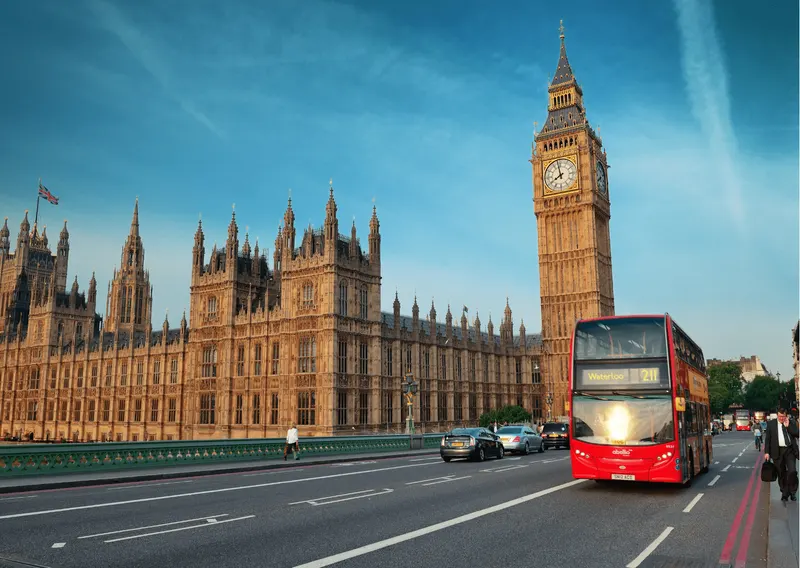
Taking a ride on this iconic wheel over the River Thames is an unmissable experience for enjoying London in a wheelchair. From the top, you can take in unique views of Big Ben, Parliament and the city skyline.
Note that each capsule is set up to hold up to two wheelchairs.
Tower of London
This castle, with more than a thousand years of history, is one of the great icons of London in a wheelchair. Famous for its legends, the emblematic Beefeaters and the dazzling Crown Jewels, it offers a unique experience.
Although it keeps its historic structure, some areas are adapted, and it is possible to tour it in a wheelchair thanks to its accessible routes and well-placed lifts.
National Gallery
Located in the iconic Trafalgar Square, this gallery houses masterpieces by artists such as Van Gogh, Monet and Da Vinci, making it an essential visit on your tour of London in a wheelchair.
In terms of accessibility, it offers several accessible entrances, a wheelchair loan service and a sensory-rich experience designed for all kinds of visitors.
Tate Modern
The Tate Modern, home of modern and contemporary art in London, brings together big names such as Picasso, Warhol and Rothko in a single space. Housed in a former power station, this gallery stands out not only for its artistic offering but also for its accessibility.
The space is modern and spacious, and it is an essential stop for those enjoying London in a wheelchair.
Natural History Museum
With dinosaurs, fossils, meteorites and even a life-size blue whale, this museum combines science and excitement in every corner.
As well as its spectacular content, it is an excellent option for exploring London in a wheelchair, as it has lifts, accessible routes and trained staff to assist you throughout your visit.
Buckingham Palace
An undisputed symbol of the British monarchy, this palace opens its doors to the public only during the summer months. However, all year round you can enjoy the famous Changing of the Guard, which is quite a spectacle!
For those visiting London in a wheelchair, the palace offers a dedicated entrance for people with reduced mobility, a wheelchair loan service and access to its state rooms and the gardens.
Madame Tussauds
This museum is famous for its hyper-realistic figures of celebrities, sportspeople and iconic film characters, making it a fun and unforgettable stop during your visit to London in a wheelchair.
Although it is advisable to book in advance because of the limit on wheelchairs per time slot, the route has lifts and access points for wheelchairs.
Westminster Abbey
This iconic abbey, the setting for coronations, royal weddings and historic burials, is a must-see for those exploring London in a wheelchair. Although not all of its interior is fully accessible because of its old structure, a good part of the route can be done in a wheelchair.
Harry Potter Studio Tour
If you're a fan of the magical world of Harry Potter, this visit is simply a must. Located on the outskirts of the city, the Warner Bros studios offer an accessible tour of the original film sets.
The tour is designed for those visiting London in a wheelchair.
It's the second time we've booked a trip with Travel Xperience and honestly everything was perfect: reliable people who care about making your trip easy and simple.
This second time we went to London, and their help was essential in being able to enjoy the city to 100%. Totally recommended.Iñaki & OihanaRead more testimonials from our travellers on our website

Final tips for a trip to London for people with reduced mobility
- Book everything in advance: from attractions to transport. Some visits, such as the London Eye or Madame Tussauds, have limited places for wheelchairs.
- Best times to travel: Spring (March to May) and autumn (September to November) are ideal for their mild weather, fewer crowds and more pleasant city landscapes. Summer is also a good option if you're after festivals, although there tend to be more tourists.
- Currency: The official currency in London is the pound sterling (£). You can change money at the airport or at bureaux de change, or withdraw cash directly from cash machines.
- Plug type: In the United Kingdom, type G plugs (three rectangular pins) are used, with a voltage of 230V. Don't forget to bring an adapter if your equipment has a different type of connector.
- Harry Potter Studio Tour: This tour is in very high demand and needs to be booked beforehand. There is accessible transport from London, and the route around the studios is accessible.
- Visas: For European citizens, from April 2025, a new requirement applies for travelling to London and the United Kingdom: the electronic travel permit, known as the Electronic Travel Authorisation (ETA).
It is a digital system that records the entry into the country of visitors from visa-exempt countries. For other countries, it is important to check the requirements with the British embassy or on the official UK government website. - Get an Oyster Card: It will make using public transport easier and let you save on every journey.
Our adapted services
At Travel Xperience, we design tailor-made trips, especially in destinations like London, for people with disabilities or reduced mobility.
Our services are fully personalised to suit your needs, and our team is available 24 hours a day to give you the support you need at every step of your trip.
Get in touch and let us help you plan your trip.
Conclusion
Travelling to London in a wheelchair is not only possible, but can also become one of the most rewarding experiences you have. Thanks to its balance of history, modernity and a firm commitment to accessibility, the city lets you discover it at ease.
From fascinating museums and vibrant city landscapes to adapted transport and verified accommodation, everything is within reach with the right planning.
That is why at Travel Xperience we don't just create itineraries: we design personalised experiences so that your trip to London for people with reduced mobility is comfortable, safe and at your pace.
Our team organises the transport, the tickets, the assistance and the accommodation, so that you can enjoy London in a wheelchair. Ready to explore London in a wheelchair?
Published on .